



How I Protect My Elderly Relatives From Getting Scammed
It's not just the little kids I worry about at home when it comes to scams. After a certain age, elderly parents also start behaving as children, and they too are just as prone to and at risk of getting scammed for personal details and money.
Increasingly, more and more scams are targeting older adults because (in my opinion) they grew up in more trusting times, and are more reluctant to challenge a confident, pushy caller on the other end of the phone. And since most elderly people aren’t very tech savvy or comfortable with AI and deepfakes, they are usually quite happy to blindly follow the instructions being given to them. Plus coupled with frailty and/or cognitive decline, it’s quite easy to be more assertive with an unsure senior citizen.
But just like you try to protect your child from any scams, you have to do the same for older relatives. These are some of the things I did to keep them informed and protected from getting scammed:
Protecting sensitive information
While technology is making some aspects of life easier for everyone, it’s also making it easier for scammers to cheat people off their money. Bank account numbers, NRIC numbers, OTPs (one-time password), passwords, credit card information, etc are all personal details and should never have to be shared with strangers. Major red flags! Constantly remind older relatives to never share such sensitive information over the phone, email, or text message unless they’re sure they know who they're dealing with.
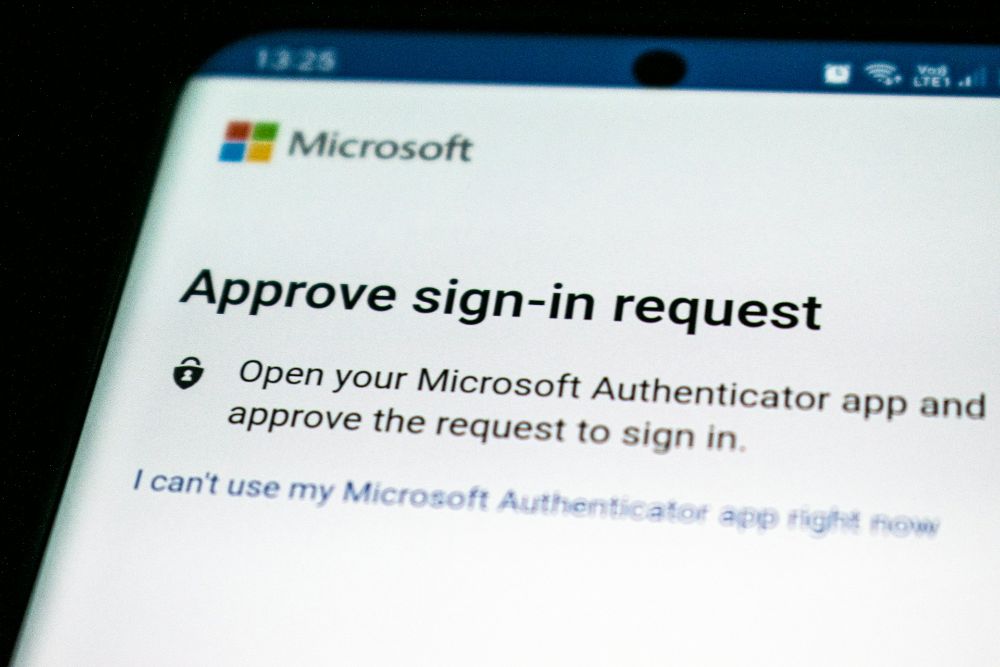 IMAGE: UNSPLASH
Adding extra security to their bank accounts
Most major banks in Singapore including DBS, UOB and OCBC encourage multifactor authentication, requiring a verification code to be used before the account can be accessed. Enabling this extra security measure can help keep scammers out of bank accounts even if they get ahold of the username and password by some chance.
I also get my name added to my parents’ account as a precaution so that we can act faster if there is any suspected fraudulent activity.
And finally, look over their credit card statement regularly to check for fake subscription fees or unsolicited charges hiding in plain sight, which take out small amounts from their account every month. The most common one we’ve seen are small Grab charges ($10-17 each time) being charged multiple times per month - even from as far as Scandinavia sometimes.
Making them aware of imposter fraud
Our parents grew up in times where there was much more honesty and trust in humanity, and people weren’t out to scam unsuspecting innocent people, so some older relatives weren’t even aware that something like imposter fraud even exists. Simply put, imposter fraud happens when someone pretends to be part of a known and trusted organisation or charity, and reaches out with an unsolicited phone call, email or text, impersonating a supposingly legitimate communication on behalf of that organisation. The most usual types of imposter frauds are:
- Technical Support scams: The most common type of tech support usually happens when someone calls tech support. Sometimes, scammers will create fake websites with a number to call to receive support. My aunt thought she was speaking to a legit tech support agent, but when he asked for remote access to her computer to fix the alleged problem, we hung up immediately! It would have allowed him complete freedom to install dangerous malware on her device and/or steal her personal information. We went to the store and got a real person to look at the computer instead.
Likewise, if anyone gets an unsolicited call offering to fix a computer problem, tell them to hang up immediately. Major tech companies like Apple and Microsoft do not make tech support calls unless the customer has reached out first and requested help. - Sales scams: If something sounds too good to be true, it usually is. I have to keep reminding relatives to not pick up calls from unknown numbers, as they are usually scam calls. If they still do pick up, and the caller is trying to sell them a ‘can’t-miss-this-amazing-opportunity’, like an unbelievable offer for a cruise or an insurance policy, they must hang up immediately.
Usually the caller will ask for bank account or credit card details to ‘lock in’ the amazing one-time-only price, scamming their victim of potentially hundreds of $$$ by dangling a false opportunity. - Romance scams: We’ve all seen this one happen. A grieving parent or uncle / aunt, suddenly finds love and romance again in their lives, but from someone who doesn’t seem quite right, especially if they ‘met’ online on a dating or social media website.
A scammer usually gains affection and trust by using a fake online identity, and once they find a victim, they create the illusion of a romantic or a close relationship to manipulate and/or steal from them, gaining enough trust to ask for some money to be transferred to them, to help them out of a ‘sudden, tough spot’. Just like I tell my children, I also have to drill it into the older generation that they should NEVER send money to someone they don't know or someone they've only met online. - Government employee scams: Sometimes scammers also pose as government officials. Remind loved ones that government employees will never ask to transfer money or disclose bank log-in details over a phone call. Call the 24/7 ScamShield Helpline at 1799 if you are unsure if something is a scam. For more information on how to protect yourself against scams, visit ScamShield or call the ScamShield Helpline at 1799.
Being suspicious of fake caller IDs
Using computer software, scammers can make phone calls and emails that look like they’re coming from legitimate companies, or even government offices. As mentioned above, it’s best to completely ignore the call. But if they pick up, they must NOT share any private banking or personal information. Hang up and block the phone number immediately. Likewise, a pre-recorded phone call is almost always a scam call too.
No clicking on suspicious links
My mom never listens and does this a lot! She feels quite bad about me looking after her banking etc, so sometimes in her earnest zest to make my life easier, she tries to do things herself to help me. Every so often, there will be the odd banking link sent through via text or email, asking her to click on it to keep her account updated or to renew a random subscription charge. Sounds innocent right? But do not let this happen! I’ve told her again and again that she absolutely CANNOT click on any links, especially from unknown senders. It’s a classic way of scamming people and draining people of the money in their bank accounts.
Beware of phishing websites
Scammers have also been known to design fake websites to mirror a financial institution's page, which are then found through a search engine online. When someone tries to log into the scammer's fake website, they could receive a pop-up with an error message, asking them to call on the number indicated to resolve the issue. But inform your loved ones that usually, that phone number does not belong to the legit organisation, and they’ll end up speaking to a fraud impersonating an employee, so to completely ignore the message and try the website later again.
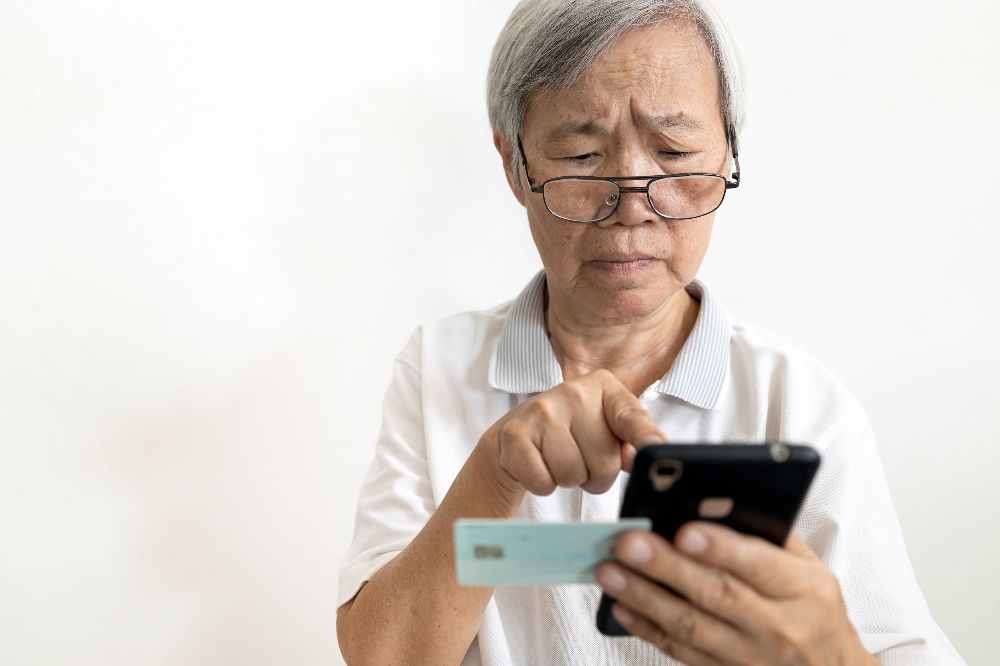 IMAGE: 123RF
Staying calm
Scams are usually based on fear (subtle threats) and urgency, and scammers usually present scenarios as urgent situations requiring immediate action. I keep reminding elderly relatives to be cautious with anything urging immediate action to invest $$$ with promises of guaranteed or unusually high returns. They must take a few extra minutes to think through what they are being asked to do. It’s totally okay to say NO and hang up or investigate further before taking action.
Being patient with them
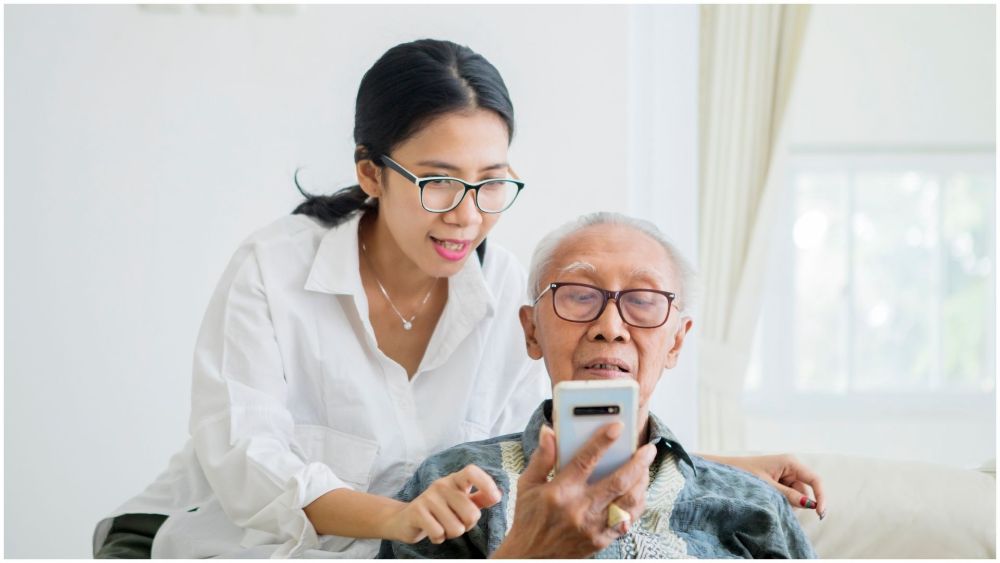
Elderly parents are usually very conscious - even embarrassed - of their lack of tech knowledge and how dependent they are on us at this age. While it can get really frustrating to not lose my temper and get irritated for having to repeat the same thing multiple times, it is very important to be patient and give them the confidence that they are always very welcome to come to you with anything, so that if something does happen, they don’t hesitate to reach out.
For the latest updates on Wonderwall.sg, be sure to follow us on TikTok, Telegram, Instagram, and Facebook. If you have a story idea for us, email us at [email protected].