

Don’t Let Your NS Medical Grade Define You - These Three Guys Didn’t
Let’s be real: for the longest time, your Physical Employment Standard aka PES status felt like a label you were stuck with from the moment you stepped into CMPB. If you had flat feet or an old sports injury, you were often sidelined into desk roles, even if you were itching to get into the thick of the action.
You’re definitely not alone in feeling that way. In 2025, a massive three out of four appeals from pre-enlistees were actually guys asking for a status upgrade because they wanted to do more.
The good news? The system is finally catching up. The way national servicemen are medically classified has been refreshed to better align with the evolving operational needs of the Singapore Armed Forces (SAF) and the Home Team (HT).
Gone are the days of the one-size-fits-all "traditional" fitness definitions from the 1970s. This refreshed system – which has been reviewed in consultation with public medical specialists and members of SAF’s and HT’s specialist advisory boards – is all about precision, and looks at what you can do rather than just what you can’t.
It allows for a better characterisation of your fitness, opening doors for about 1,200 servicemen every year to take on vocations they previously couldn't touch. SAF pre-enlistees enlisting from October 2027 and HT pre-enlistees enlisting from November 2027 will be the first to experience this refreshed approach. Medical screening for these pre-enlistees will commence from end-June 2026.
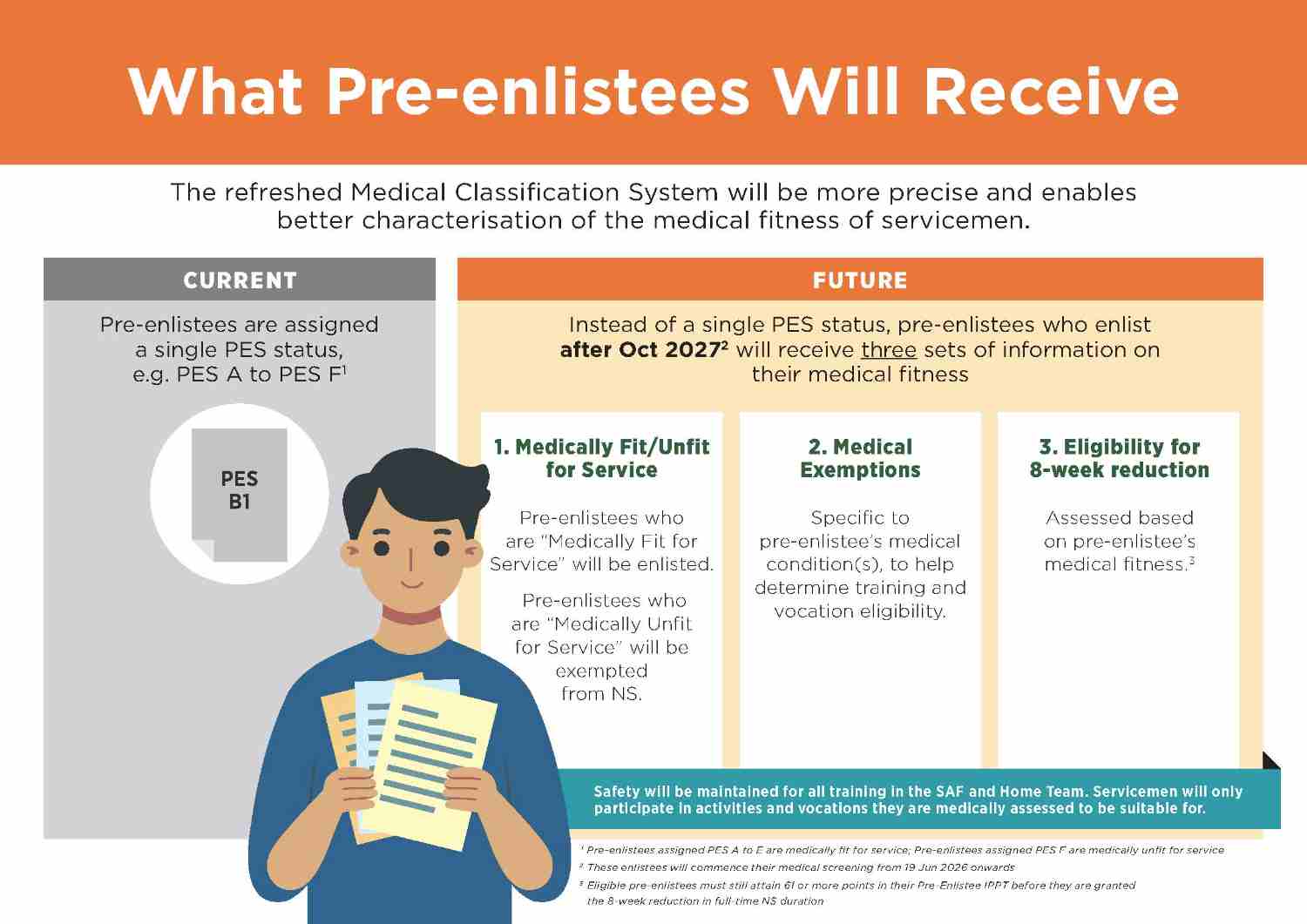 IMAGE: MINDEF
Instead of a broad PES status, pre-enlistees will receive three sets of information pertaining to their medical fitness:
- Medical fitness for service
- Medical exemptions
- Eight-week reduction in full-time NS duration
If you’re already serving or currently an NSman, your current PES status is staying exactly as it is for the rest of your journey, unless your own medical situation changes.
As always, safety remains the top priority. The whole process is backed by a standardised list of medical exemptions, ensuring that commanders and trainers have crystal-clear guidelines on exactly what a serviceman can and cannot do.
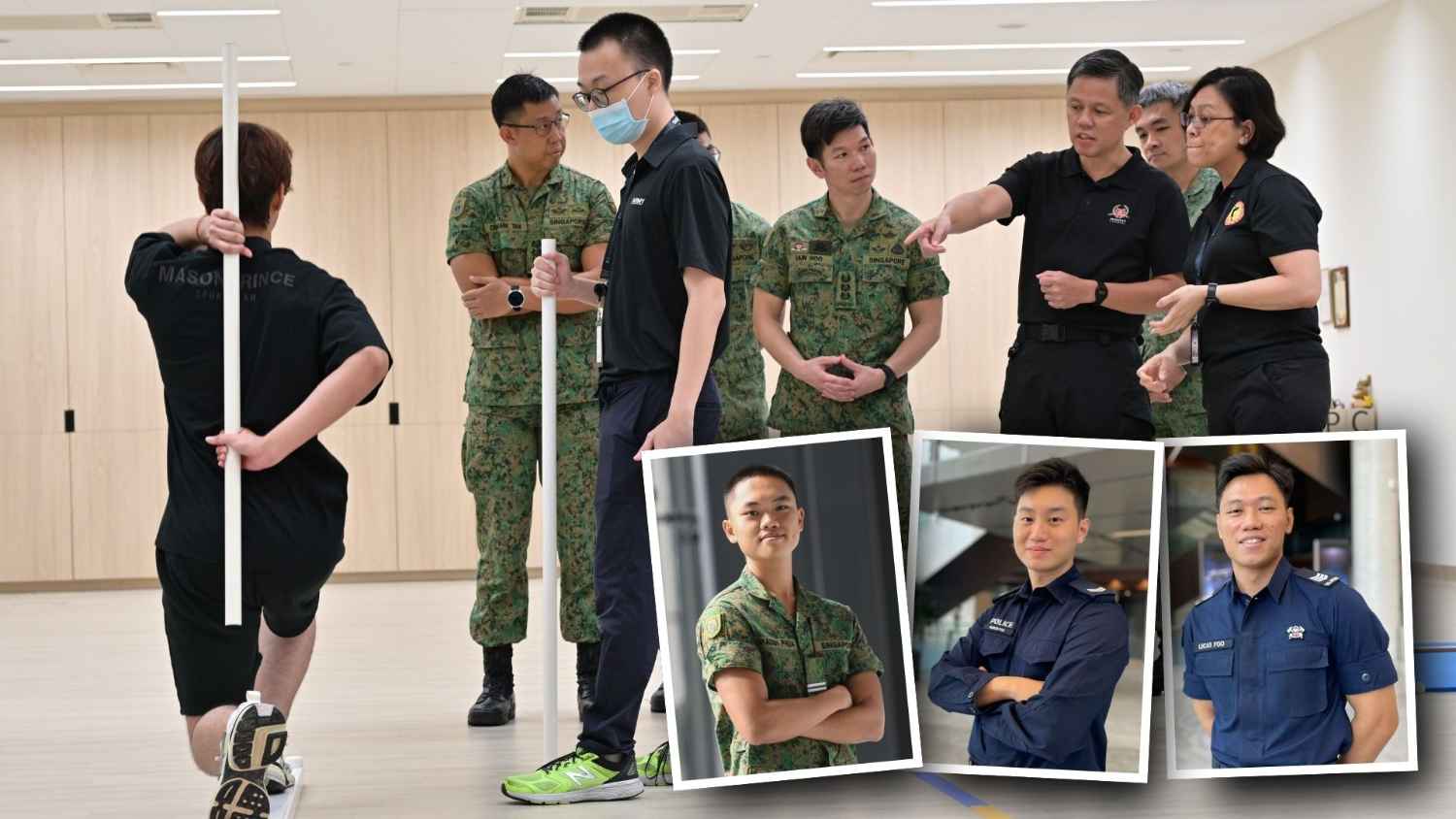
Here’s how three guys played a part in shaping more meaningful NS journeys for themselves.
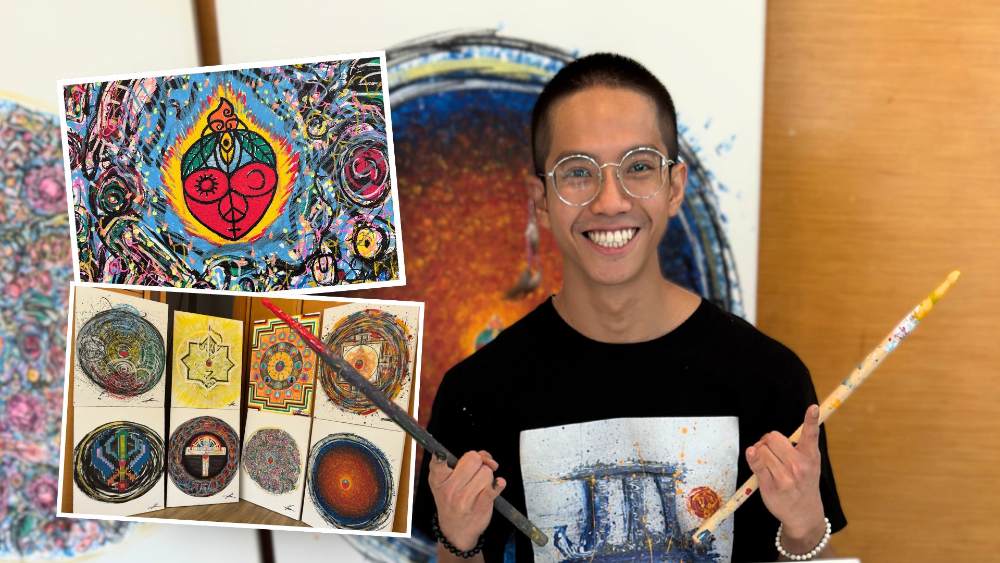
The comeback kid: From driver to OCS
OCT Braden Phua, Officer Cadet, SAF
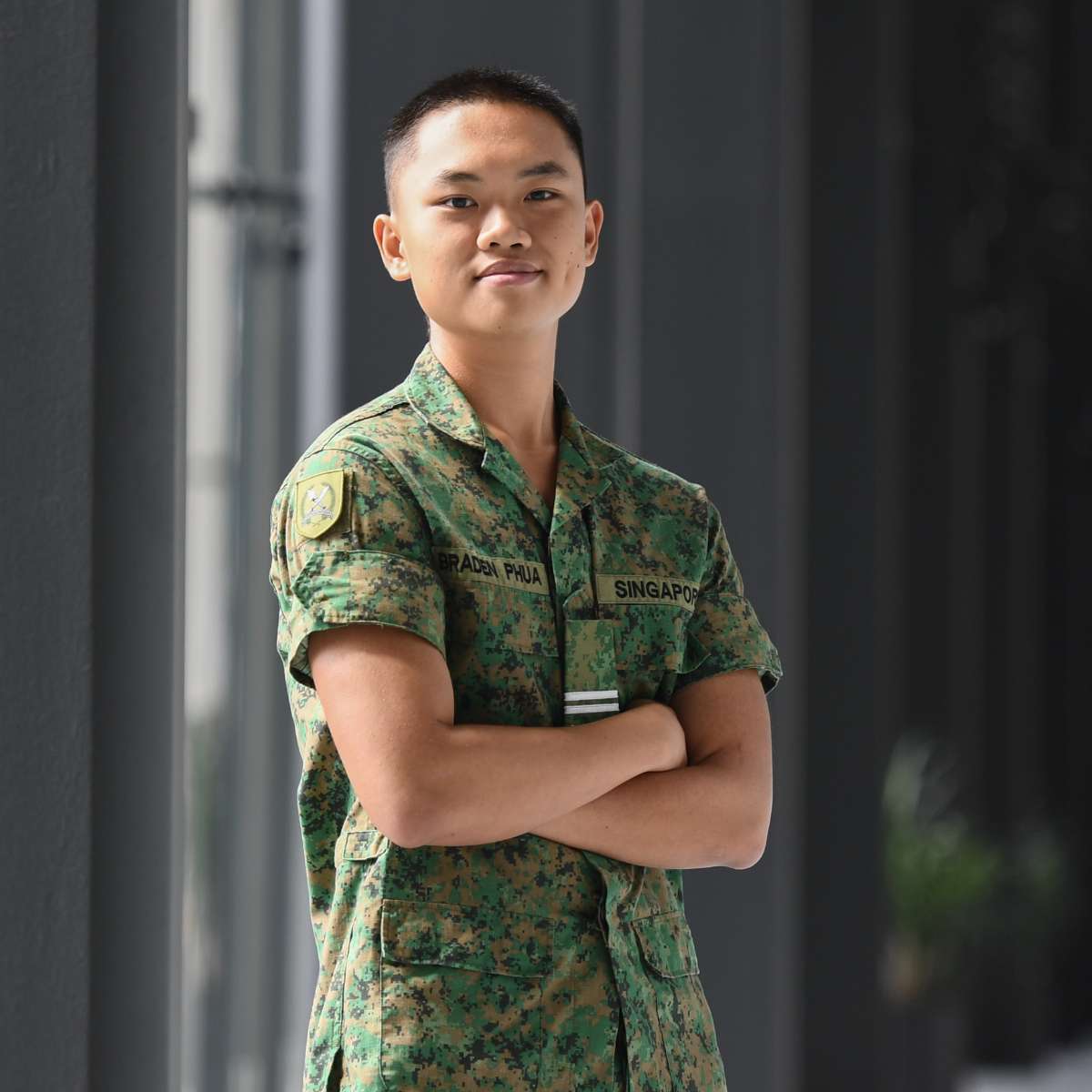 IMAGE: MINDEF
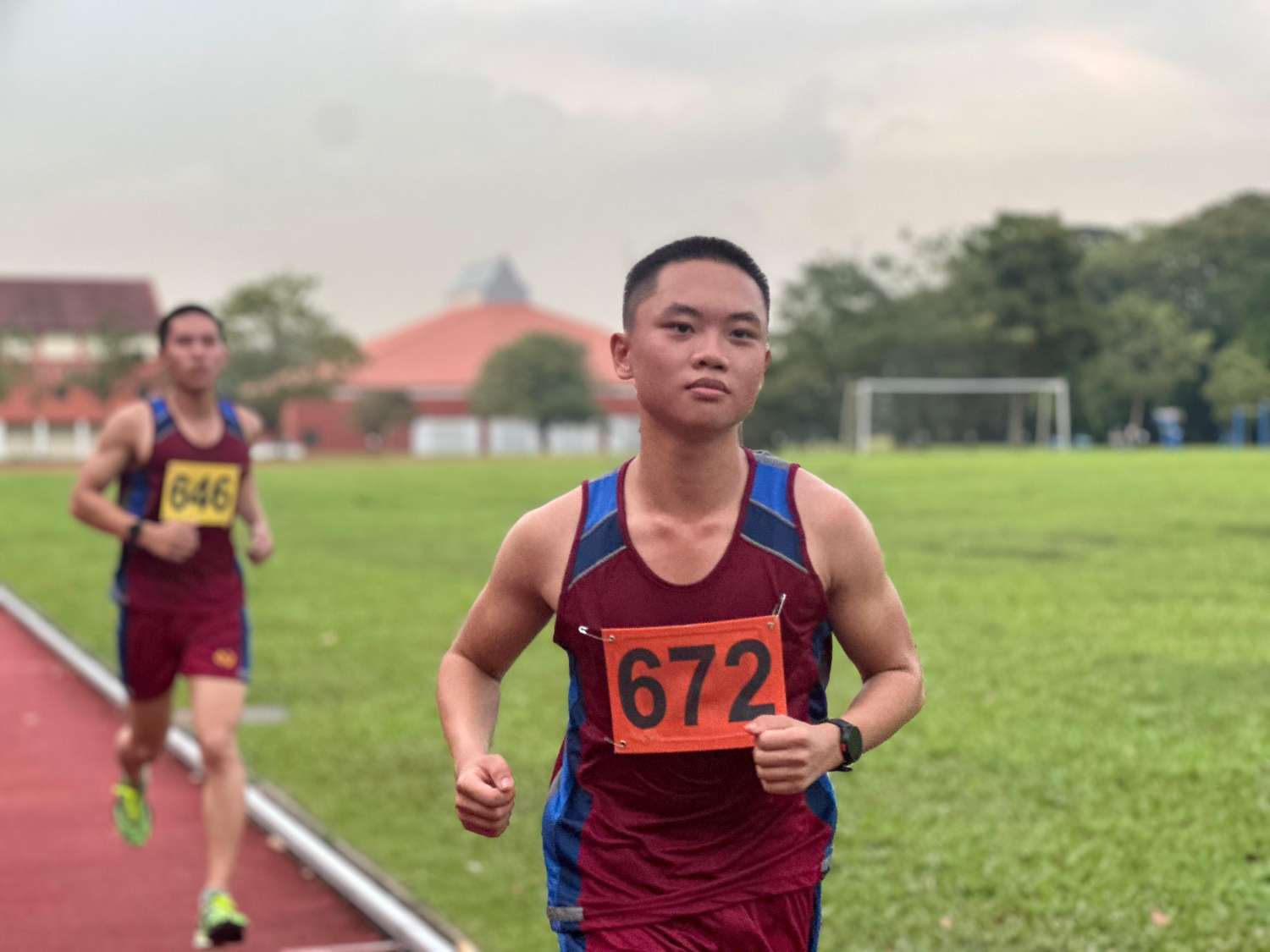 OCT Braden Phua during IPPT. | IMAGE: MINDEF
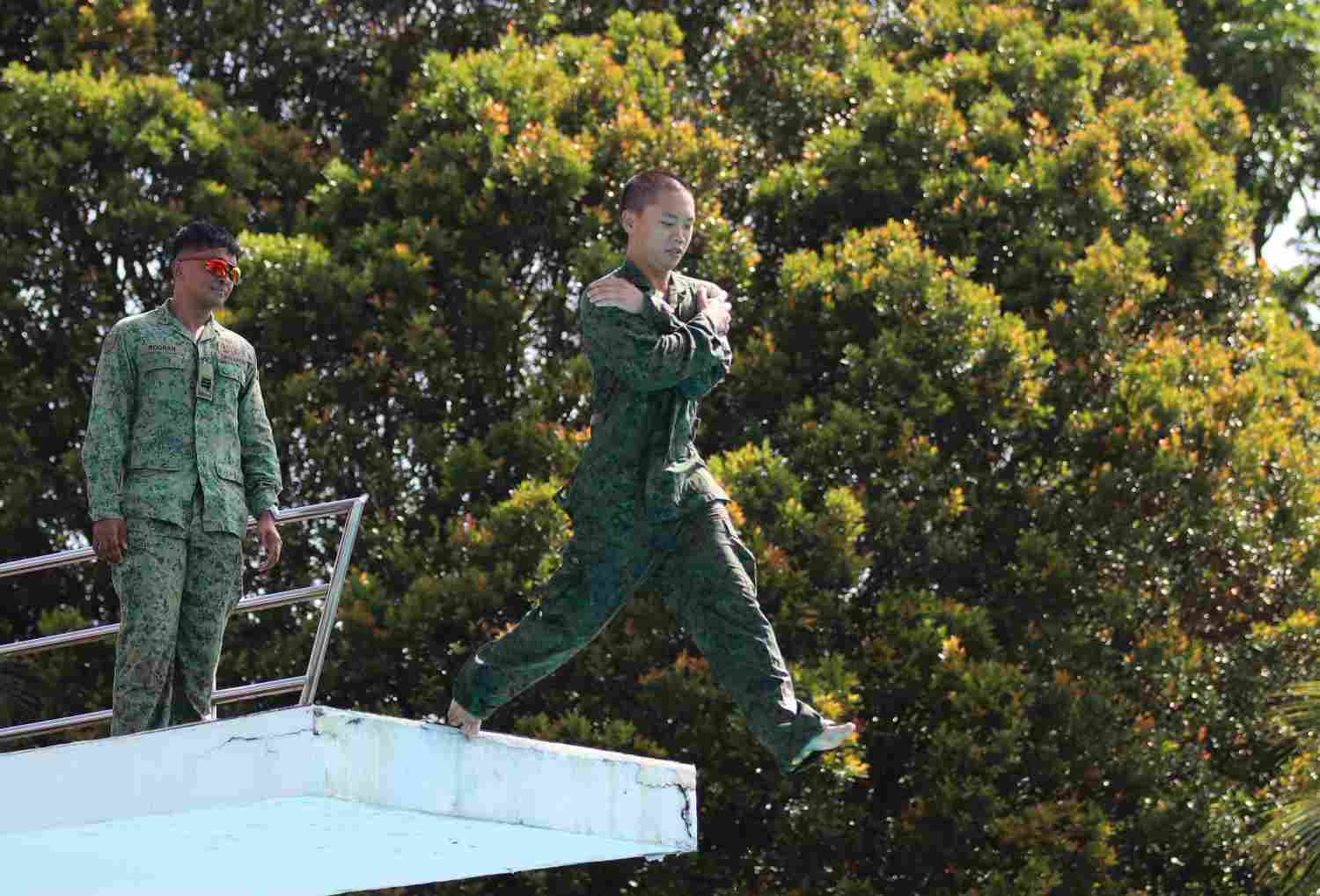 Doing a confidence jump. | IMAGE: MINDEF
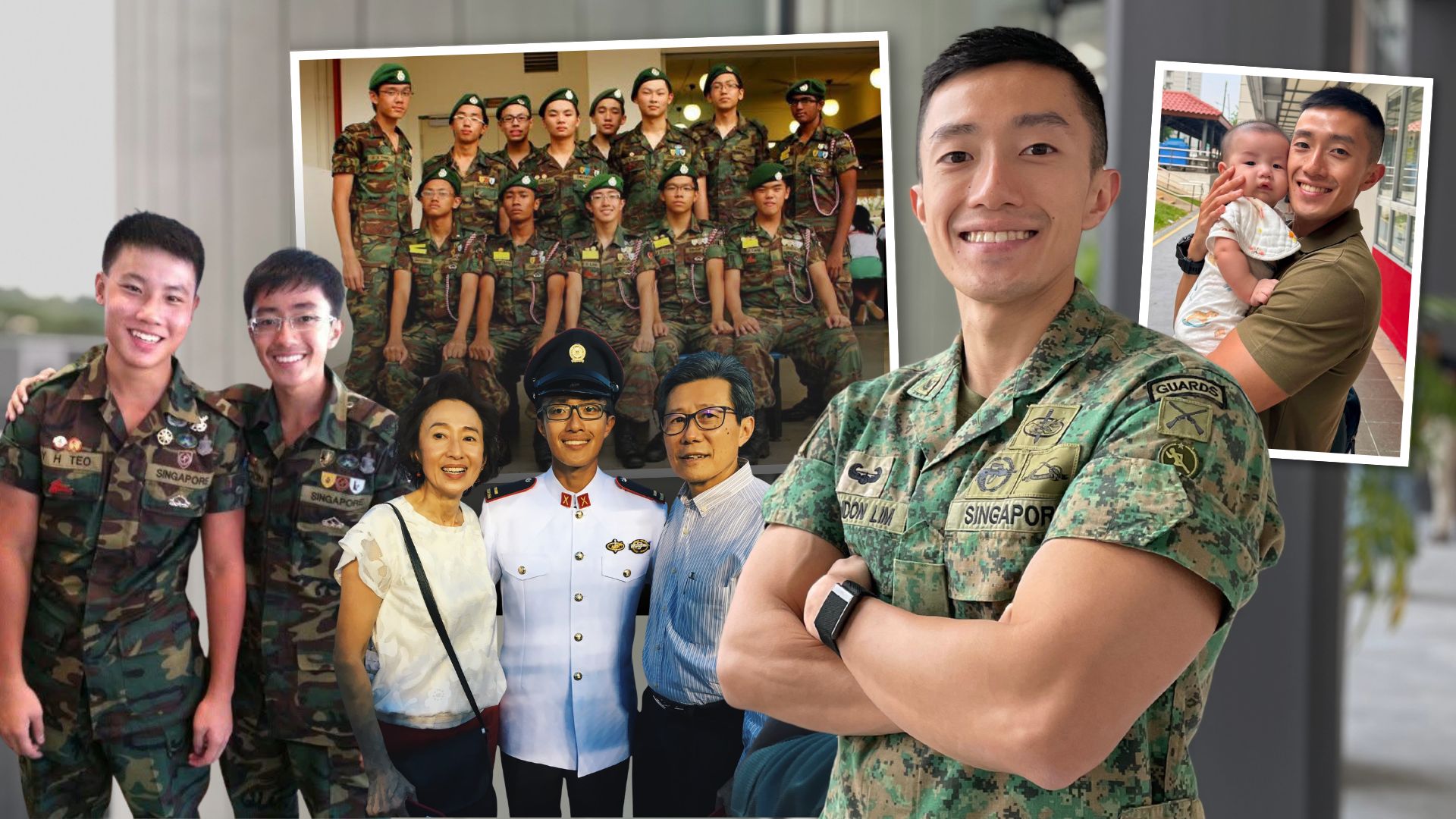
Braden didn't let a "flat feet" diagnosis stop him from following in his family's footsteps. Initially graded PES C9 and deployed as a transport operator, he pushed for a second medical review to prove his potential.
"I come from a family of officer regulars in the SAF. My brother is a pilot, my uncle’s a pilot. My cousin is also an officer," says OCT Braden, noting that his father was a major inspiration. After his successful appeal and a BMT recourse, he finally made it into Officer Cadet School (OCS).
"After I told [my family] that I got posted to OCS, they were super proud of me... especially my dad. So, that felt very rewarding."
Looking at the bigger picture, OCT Braden is optimistic about how the refreshed system changes things for everyone. "I feel more excited for future servicemen," he says. "I feel like this system will open more doors for them to be posted to a wide variety of different vocations [and allow] them to serve more meaningfully."
Redefining limits: Finding the front line
SCCPL Kieron Foo, Assistant Trainer, Special Operations Command, SPF
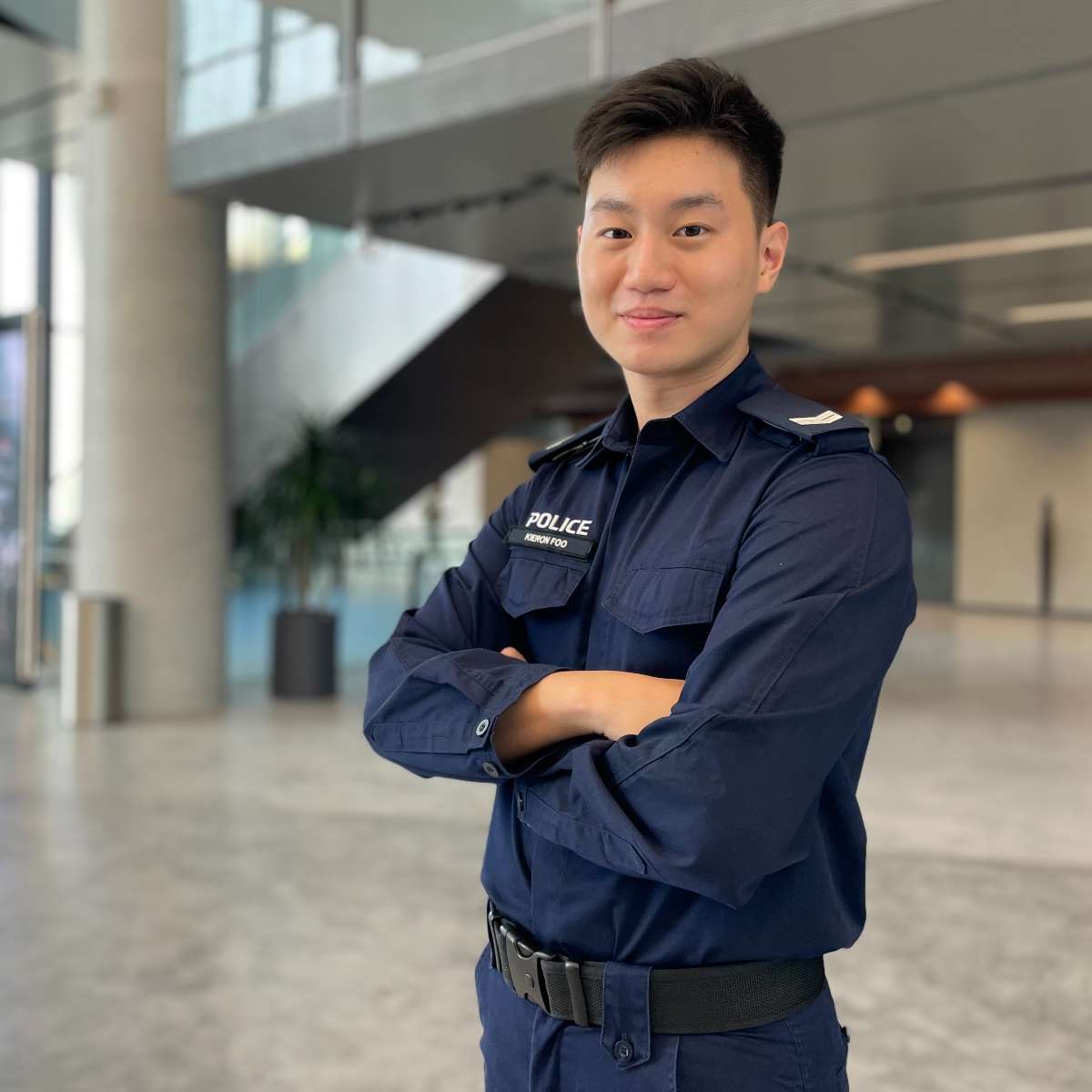 IMAGE: SIM DING EN
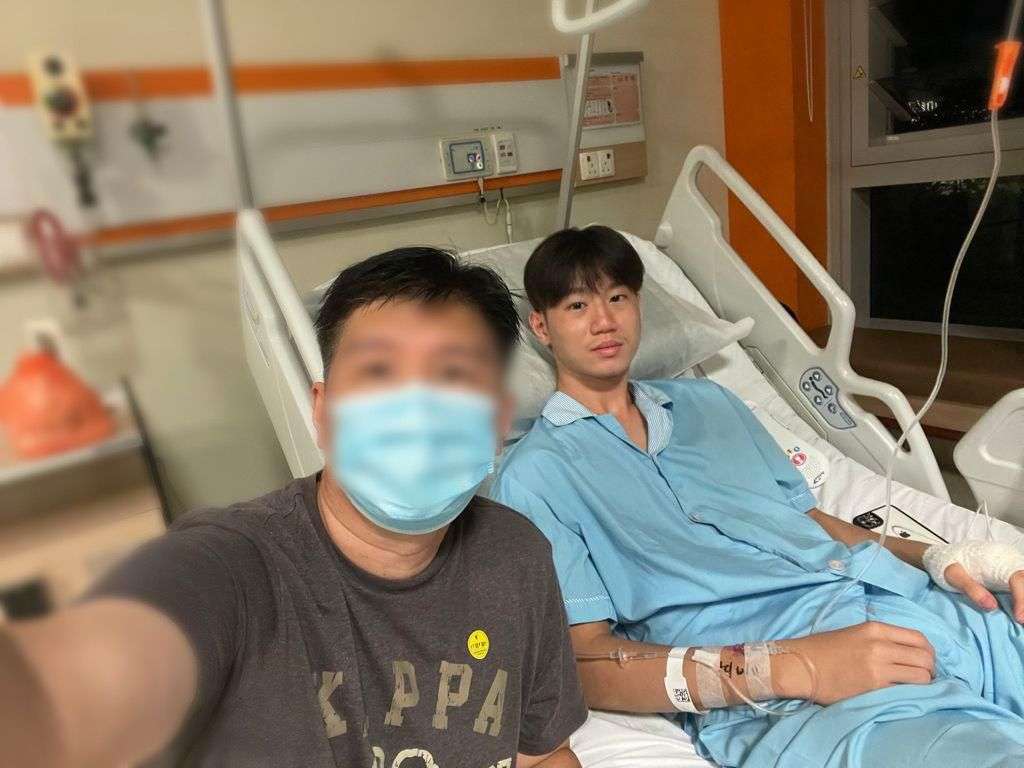 SCCPL Kieron Foo recovering from an injury sustained in a freak bicycle accident in 2021. | IMAGE: SCCPL/SINGAPORE POLICE FORCE
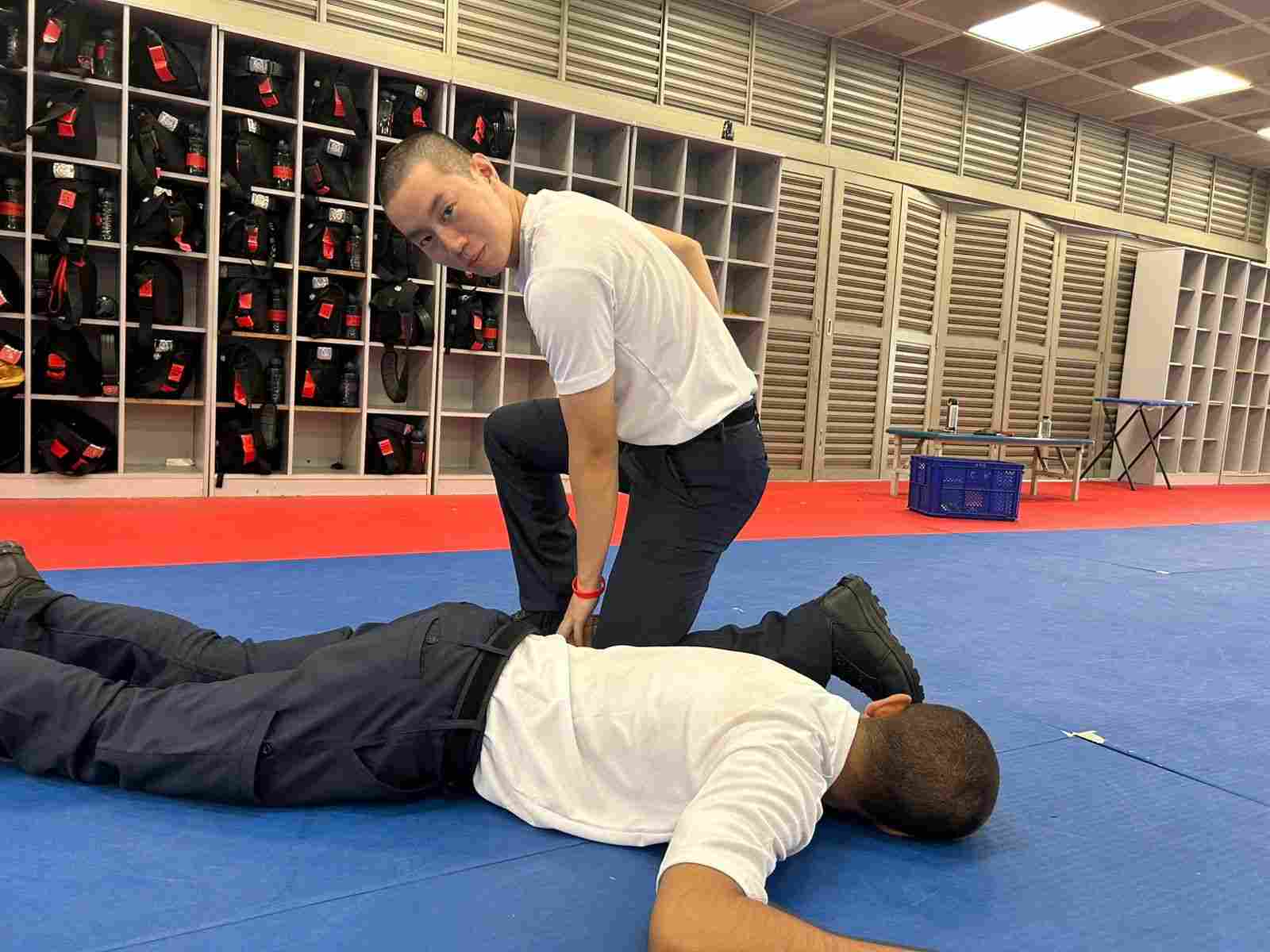 Post up-PES training. | IMAGE: SINGAPORE POLICE FORCE
After a bicycle accident and tendon rupture in 2021 led to a PES E1 grading upon his enlistment in July 2024, Special Constable Corporal (SCCPL) Kieron was limited to administrative tasks. However, he felt his body had recovered far beyond what his status suggested. "Being someone who was inspired by both my brother and my father... it made me also want to have that [NS] experience for myself," he says.
He felt his past injury shouldn't hold him back, adding, "I felt that I was functionally recovered fully, and my past injury no longer defined how I was able to operate functionally in my day-to-day life." This determination led him to upgrade to PES B1 and undergo the full 14-week basic training.
Now serving in the Special Operations Command, Kieron has a word of advice for those starting their journey: "Don't let your medical grading define and restrict what you can do. Always focus on what you can do and not what you cannot do. I think that's the most important thing."
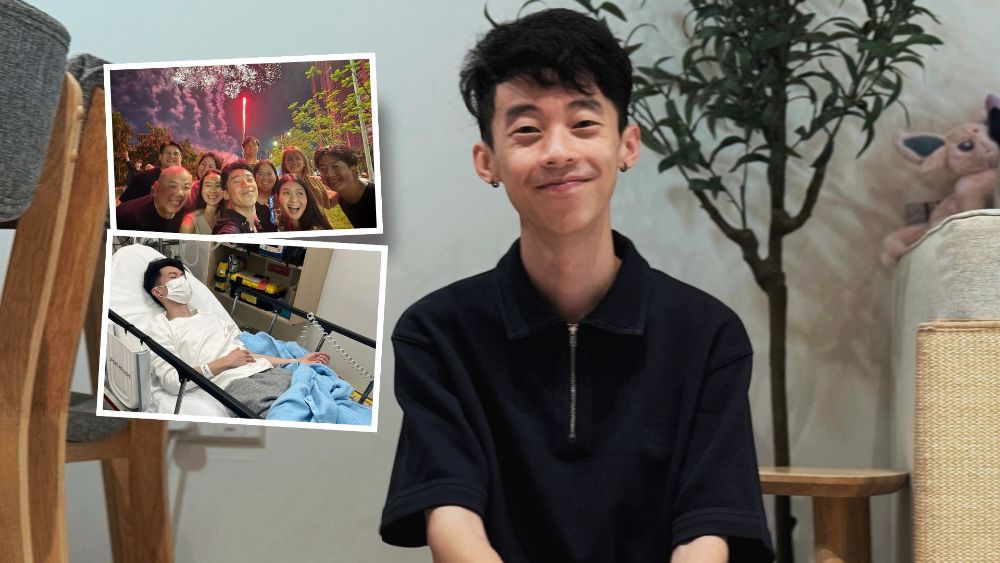
The brotherhood bond: From HQ to Special Response
SGT(1) Md. Lucas Foo, Section Commander, Special Response Unit, SCDF
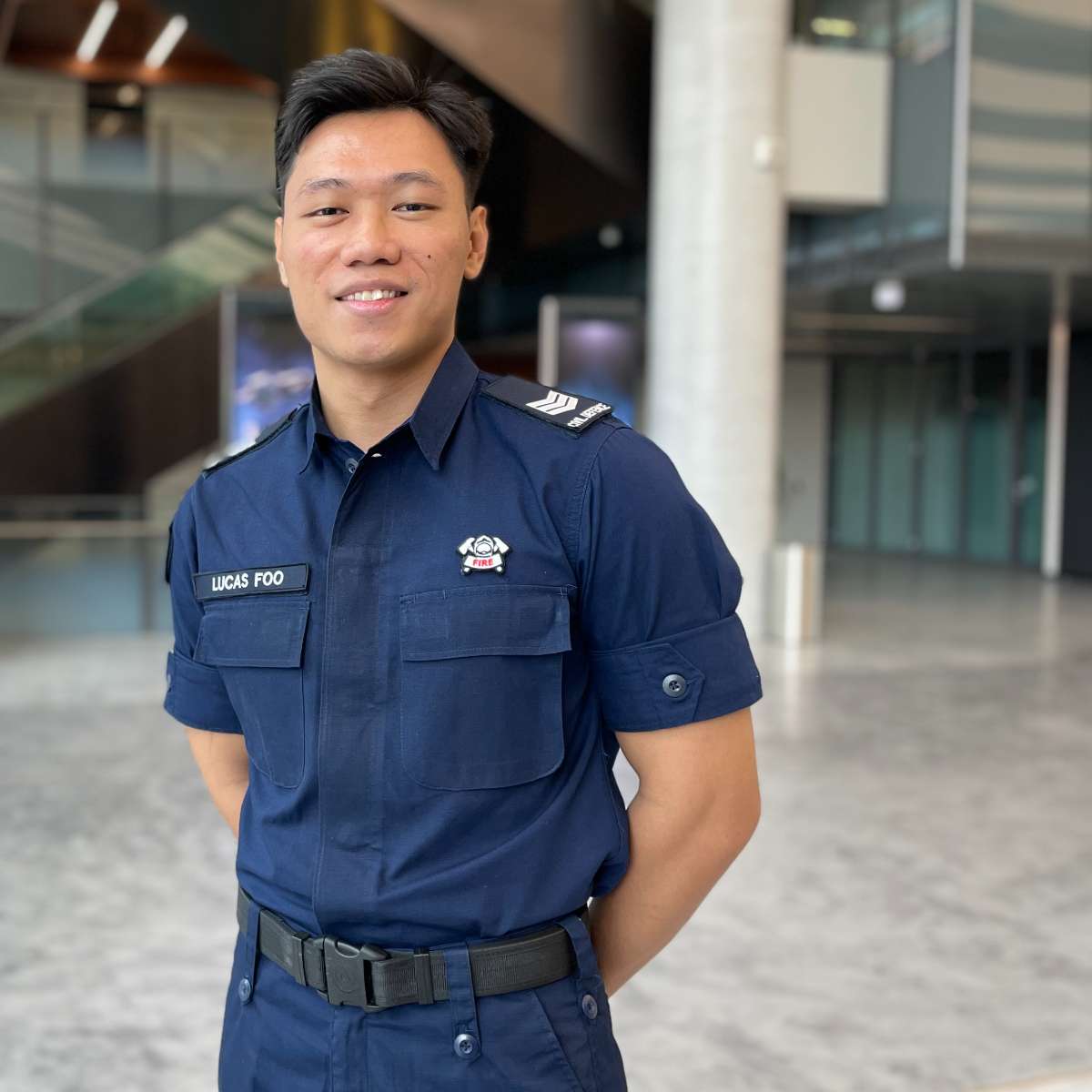 IMAGE: SIM DING EN
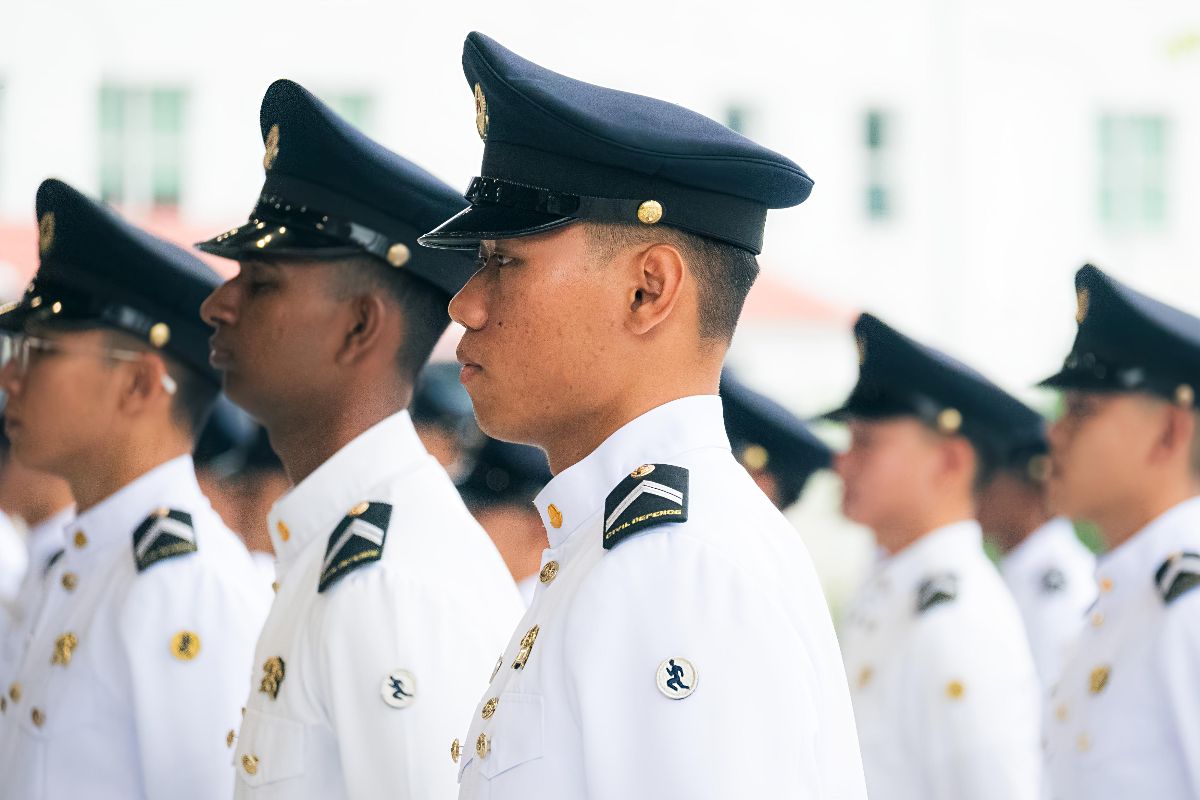 SGT(1) Md. Lucas Foo (centre) during post up-PES training. | IMAGE: SINGAPORE CIVIL DEFENCE FORCE
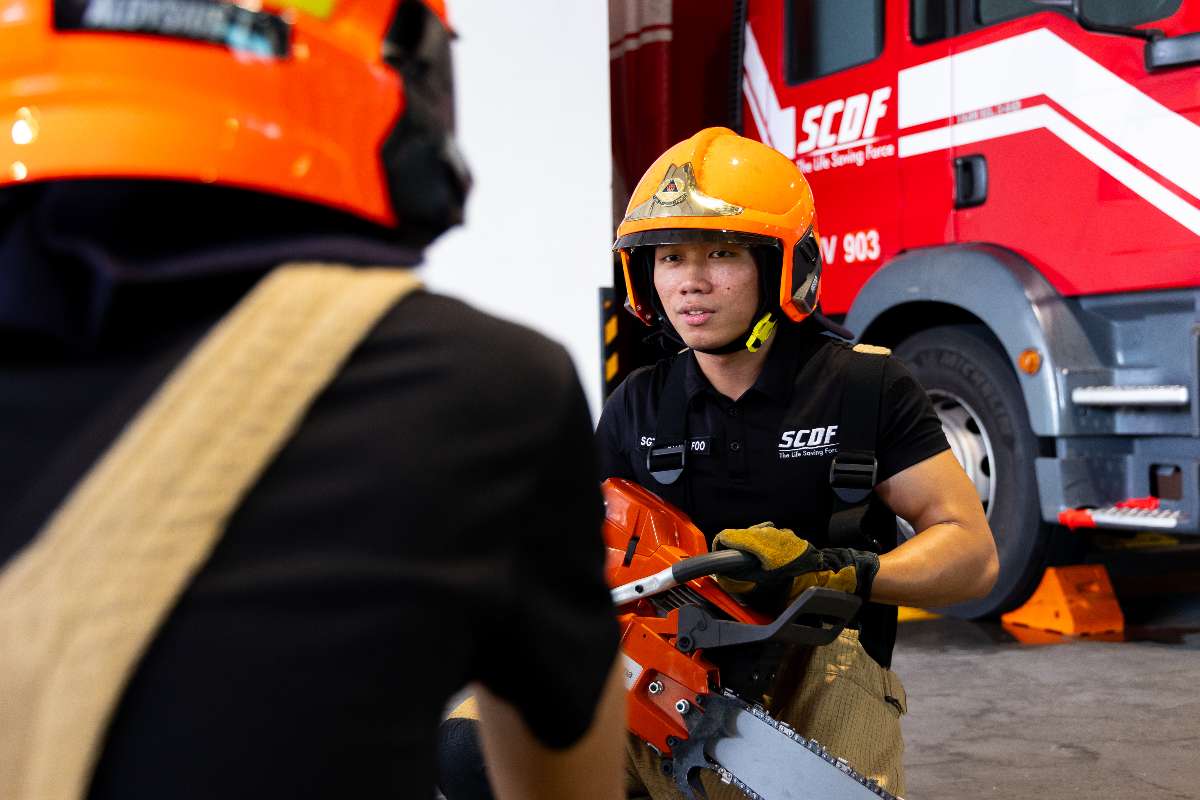 Performing Special Response Unit ops. | IMAGE: SINGAPORE CIVIL DEFENCE FORCE
Sergeant 1 (SGT(1)) Lucas went from PES A (during his health check-up at CMPB in 2018) to E9 following a fractured arm and a detached retina, just before enlistment. While he started out in an office, a conversation with his superior changed his trajectory. "I talked to my reporting officer and [the fact that he was] on the front line kind of encouraged me," says SGT(1) Lucas.
After certifying his fitness for frontline duties and upgrading to B1, SGT(1) Lucas found his place in the Special Response Unit (SRU). He says the environment is a huge part of the draw: "In SRU, I work with a lot of my fellow NSFs a lot, and we're quite close as a unit. The work we do, we support each other. It's like a brotherhood!"
For those facing their own medical hurdles but want to serve in front-line roles, SGT(1) Lucas suggests a balanced approach. "Look at your injury first, and whether you're really fit to be on the front line, because you really don't want to hurt yourself again," he says. But he concludes that for those who are ready, "if you’re fully recovered, and you feel that you're confident, and you want to try something different, I think it's definitely worth a shot".
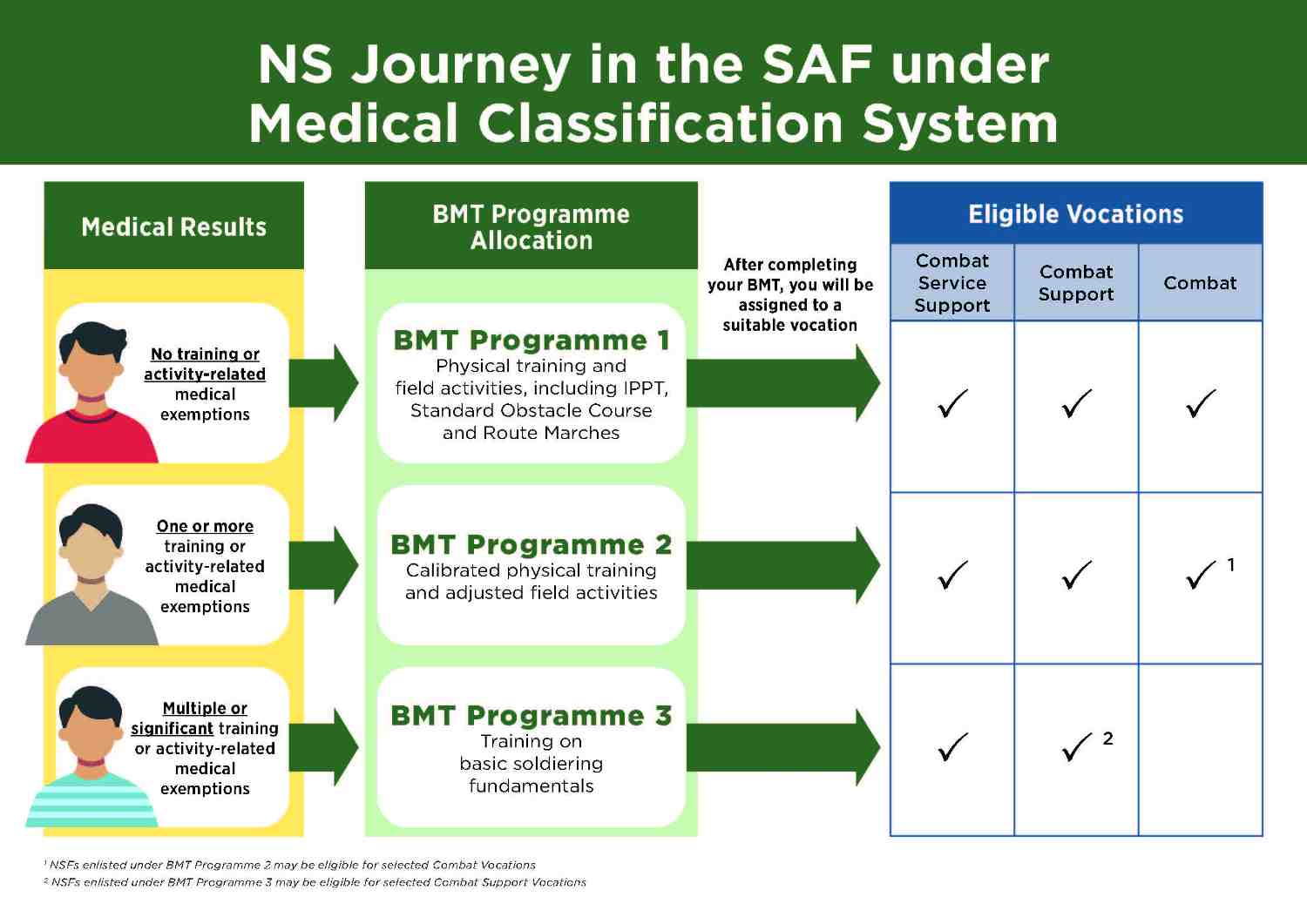 IMAGE: MINDEF
 IMAGE: MINDEF
 IMAGE: MINDEF
For the latest updates on Wonderwall.sg, be sure to follow us on TikTok, Telegram, Instagram, and Facebook. If you have a story idea for us, email us at [email protected].