






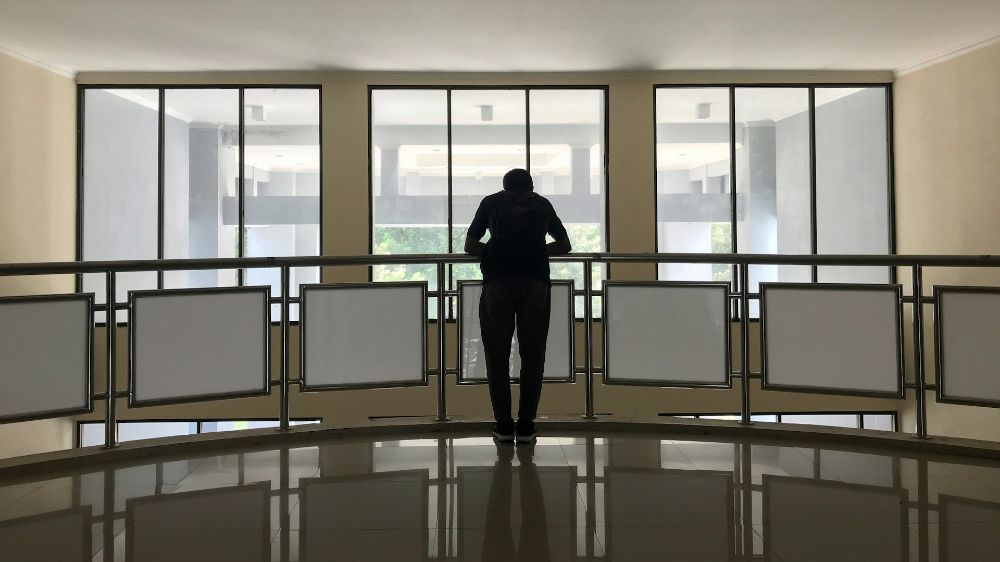
Are You Going To Get Retrenched in 2026? Here are 5 Signs to Look Out For
I used to think retrenchments were something that happened to other people.
You know the kind: faceless corporate headlines, overseas tech giants, and mass redundancies announced in cold press releases. It always sounded far away…dramatic, but distant. The kind of thing you read about while sipping kopi, then scroll past because it doesn’t feel like your reality.
And then last year, it became my reality.
I got retrenched from a company I genuinely believed I would grow old in. I won’t name it, but it was a big-name, well-known place, the kind of company you proudly tell relatives about during festive gatherings because it sounds like you “made it”. Stable reputation, decent perks, nice office vibes. I thought I was safe.
Turns out the universe heard me and said, “Wah, you very confident ah?”
The weirdest part is that when I look back now, the signs were there. Not obvious like a giant neon sign saying “CONGRATS, YOU’RE ABOUT TO BE FREE” (free in the worst way), but subtle. Small shifts that didn’t feel urgent at the time, until they did.
So if you’re reading this because you’ve been feeling a little uneasy at work lately, you’re not paranoid. You’re paying attention. And in 2026, that might be one of the most useful survival skills you can have.
This isn’t meant to scare you. It’s meant to help you stay ready emotionally, financially, and mentally because layoffs don’t just affect your pay check. They mess with your identity, your confidence, and your sense of safety.
Here are five signs I’ve learnt to take seriously.
Sudden leadership or ownership changes
When leadership changes overnight, whether it’s a new CEO, a new regional head, a surprise acquisition, or a restructure announced like it’s “exciting news”, don’t panic just yet, but do pay attention.
Leadership changes often mean one thing: a new strategy is coming.
And new strategies usually come with new priorities, new budgets, and new ideas about which teams are “essential”. Sometimes it’s not personal. Sometimes it’s just a new person trying to prove themselves by shaking things up like they’re rearranging furniture in IKEA.
In my case, I knew I should have seen the signs coming. My company which was at that point in time, a public-traded company, announced that they have been bought over by a private equity firm. The exit meant my CEO was also exiting the company, and with that came an entirely new leadership regime. The shift wasn’t immediately scary. It was framed as a “restructuring”. But slowly, the tone changed. Conversations became more about “efficiency” than creativity. More about “streamlining” than building.
It’s like when your friend says, “Eh can we talk?” and you already know your whole night is about to be ruined.
What to watch for: New leaders bringing in their own people, more layers of approval suddenly appearing, and teams being asked to justify their existence like they’re contestants on a reality show.
 IMAGE: CANVA
Hiring freezes disguised as “realignment”
This one is sneaky because it rarely gets announced outright. But I definitely observed it in the months leading up to my company's retrenchment exercise. I was pushing hard for a promotion, but my manager outright said, budget-wise we might need to relook again after our new owners take over.
You’ll start hearing phrases like:
“We’re pausing hiring for now.”
“We’re realigning headcount.”
“Let’s see how Q1 goes first.”
“We’re being prudent with spending.”
Then someone resigns, and the role quietly disappears. And suddenly the rest of the team is expected to absorb the workload like it’s normal.
This is usually when “doing more with less” becomes the unofficial company slogan. You start doing two people’s jobs, but somehow your salary remains stuck.
At first, everyone copes. Then everyone gets burnt out. Then everyone becomes a little more passive-aggressive on MS Teams. Then productivity drops. Then leadership says productivity is down. And everyone scrambles again, but no new manpower is added.
If your team keeps shrinking but expectations stay the same, it’s not a sign of resilience. It’s a sign of cost-cutting.
What to watch for: Vacant roles staying vacant for months, interns covering senior-level work, and “temporary” workload becoming permanent.
Abrupt changes in company priorities
There comes a point when you start feeling like the company has ADHD.
One month, you’re building something long-term. Next month, leadership says it’s “no longer a priority”. Suddenly the project gets paused, budgets get cut mid-cycle, and everyone acts like the last six months of work was just a fun hobby.
In the lead-up to layoffs, I started observing my senior managers starting to obsess over numbers that look good on paper — revenue, efficiency, profitability — as if they’re trying to justify their spending for the year and whether the return on investment was worth it. It was clear that the new ownership was starting to pour into the company financials and pay attention to the departments that were making losses.
And when that happens, anything that doesn’t feel immediately profitable gets labelled as “nice-to-have”.
Creative teams often feel this first. Because creativity is valuable, but it’s harder to measure in a spreadsheet. (Unless you can calculate “vibes” into quarterly revenue, then please teach me.)
Unfortunately, my entire content team got slashed in half during the layoffs (including me). I was was considered lucky, though. Entire departments got slashed, and more heartbreakingly, my company closed offices in an entire market, leaving my colleagues from this particular country jobless overnight. That was tough to witness.
What to watch for: Long-term projects being killed suddenly, budgets being frozen mid-quarter, and a sudden obsession with “cost discipline” and “ROI”.
 IMAGE: CANVA
Middle management reshuffles (with good managers leaving)
This is the one that hurts the most because it’s usually the clearest sign something is off.
When you start seeing experienced managers resign, transfer out, or “move on to new opportunities”, it’s worth asking yourself: what do they know that I don’t?
Sometimes managers leave because they can sense what’s coming. Sometimes they’ve been told early. Sometimes they’re just tired of being stuck between upper management decisions and a team they care about. In this case, I should have known something was up when my CEO himself resigned ahead of the buyout.
And when senior leadership goes, the reshuffle begins:
Reporting lines change, scopes merge, departments combine, and you suddenly have a new boss every few months. It starts feeling a bit like musical chairs, except the music stops and someone loses their job.
It creates instability. And instability is often a precursor to downsizing. Because it’s easier to lay people off when the org chart is already messy and nobody can remember who reports to whom anymore.
What to watch for: Your manager suddenly managing two teams, departments merging “temporarily”, and frequent changes in who approves your work.
Communication goes quiet (or becomes weirdly vague)
This is the sign people feel in their gut.
The town halls stop. The updates get shorter. Leadership starts using vague language like:
- “We’re navigating a challenging climate.”
- “We’re making difficult decisions.”
- “We’re optimising resources.”
- “We’ll share more when ready.”
When employees ask direct questions, answers become slippery. And when communication dries up, rumours fill the gaps. People start whispering. Anxiety rises. Productivity drops. Everyone’s on edge, but nobody says it out loud.
In my case, the entire retrenchment exercise happened over mass email one fateful Tuesday morning. Imagine this: the week just started, and you’re planning strategies for the year ahead; the next moment, you’re discussing your compensation package. It’s brutal.
What to watch for: Fewer company-wide updates, leaders avoiding hard questions, and a sudden shift to “need-to-know” information.
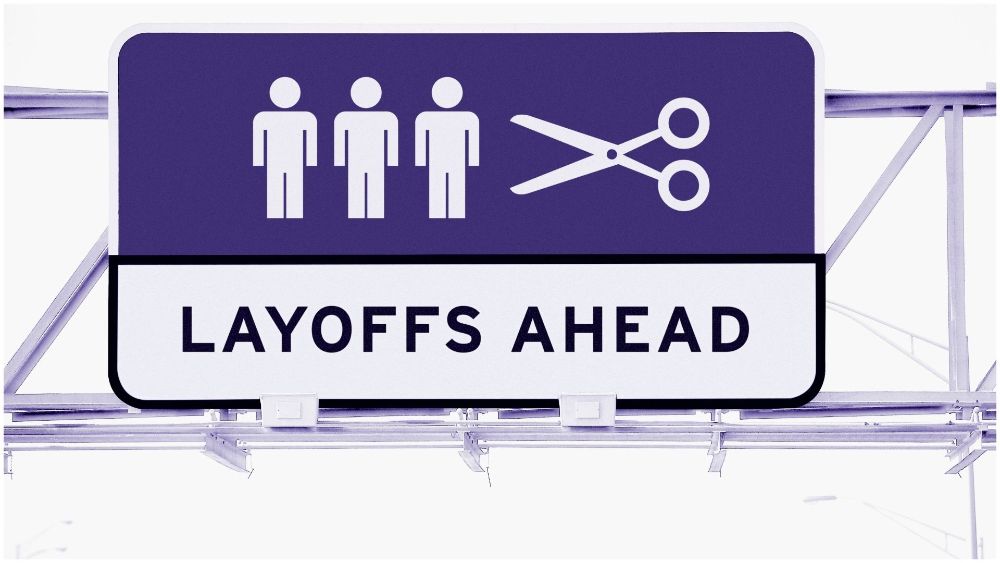 IMAGE: CANVA
Okay, so what do you do if you see these signs?
Here’s the part I wish someone had told me earlier:
Seeing the signs doesn’t mean you’re doomed. It means you have a chance to prepare.
Layoffs are traumatic when they catch you off guard. They’re still painful when you expect them but at least you’re not emotionally blindsided. At least you’re not staring at your laptop thinking, “Wait, is this real?” while your brain turns into Windows 95 buffering mode.
If you’re worried about 2026, here are three practical things you can do without spiralling:
Keep your skills sharp
Don’t wait until you’re unemployed to update your portfolio. Save your best work. Document wins. Keep your LinkedIn updated. Learn one new tool or skill that makes you more flexible. I was lucky I had the foresight to pick up CapCut and video editing. I took the time off to deep dive into my passions, such as podcasting and networking. It certainly helped me provide a few freelance jobs while I was figuring out my next move.
Know your runway
Even if you don’t have six months of savings (most people don’t), know what you can survive on. Track your expenses. Cut what you can. Don’t shame yourself; just get clear. Your future self will thank you. What was most pressing to me during this period was that I was renting. So that drove me to keep active and seek for freelance roles while applying extensively for the next job. My momentum never stopped because life and responsibilities don’t stop just because you’ve been laid off.
Don’t tie your identity to one company
This is the hardest one. I truly LOVED my job and the work that I did in the company.
When I got laid off, it didn’t just feel like losing a job. It felt like losing my confidence. My routine. My sense of worth. Also, I lost some really great colleagues who became fast friends.
But your job is something you do. It is not who you are.
You are still talented. Still capable. Still valuable, even if a spreadsheet didn’t reflect it.
But the truth about retrenchment exercises in 2026 is this: they don’t always happen because you’re bad at your job. Sometimes they happen because the company is trying to survive. Sometimes they happen because leadership wants to look good. Sometimes they happen because you were simply in the wrong department at the wrong time. Sometimes, things happen that are just out of your control.
And that’s why staying prepared isn’t pessimism. It’s adulthood.
If you’ve been laid off before, you’ll know: the pain is real, but so is the comeback. You rebuild. You adapt. You find your footing again, sometimes in an even better place than before. I am still on that path right now.
And if you’ve never been laid off?
I hope you never have to experience it. Truly.
But I also hope you never ignore the signs just because you assumed it couldn’t happen to you.
In 2026, staying ready might be the most empowering thing you can do. And that’s not because you’re expecting the worst, but because you trust yourself enough to handle whatever comes next.
For the latest updates on Wonderwall.sg, be sure to follow us on TikTok, Telegram, Instagram, and Facebook. If you have a story idea for us, email us at [email protected].