




Father’s Day: Learning to Bond With My Dad Again (Post-Retirement)
For most of my life, my dad was defined by his work. He was a MOE-trained teacher by trade, quit his profession to support my late mum in her business. After she passed, he tried to start his own tuition agency teaching conversational Malay but it wasn't too successful.
When things got tough, he pivoted and entered the healthcare industry, working first as porter, and then in the Medical Records Office as an administrator. It didn't pay too much, but it was honest work. More importantly, it helped raise his three boys and funded all our studies. For that, I'm grateful.
My dad was always a workaholic and he valued routine. So when it was time for him to retire, I did wonder how this drastic change in lifestyle might affect him. Like a lot of father-son relationships, ours was complicated.
I used to measure time with my dad in passing moments. Quick dinners after a long day. Early morning call-time as he rushed to work. Endless complaints about his office politics.
Retirement didn't come with a dramatic announcement. No big "last day" moment that changed everything overnight. It was quiet and understated, just like the man.
At first, I didn't think much of it. But over time, I started to realise something: when work disappears, what replaces it? And more importantly how would our relationship evolve in this new phase of his life?
When roles start to change
Growing up, the dynamic was simple. He was the provider, the decision-maker, the one who always seemed to know what he was doing.
Now, things feel different. He asks me questions about things he never used to care about, like technology and trends, even random things like how AI works or why people are suddenly talking about it.
There was a moment when he asked me to explain ChatGPT. And I replied in jest, "What are you going to do with ChatGPT in your retirement?"
It was not out of disrespect, but because the same man who used to struggle with WhatsApp forwards and sending mobile emails was now asking about AI.
But as I sat there trying to explain it in the simplest way possible, I realised that this wasn't just curiosity. It was a concerted effort to stay relevant.
In that moment, our dynamic shifted. I wasn't just his son, I was someone he was learning from. Imagine how low-key proud I was when I found out he was using ChatGPT to track his medication, and sending reminders throughout the day when to take them. Pretty cool for a 65-year-old.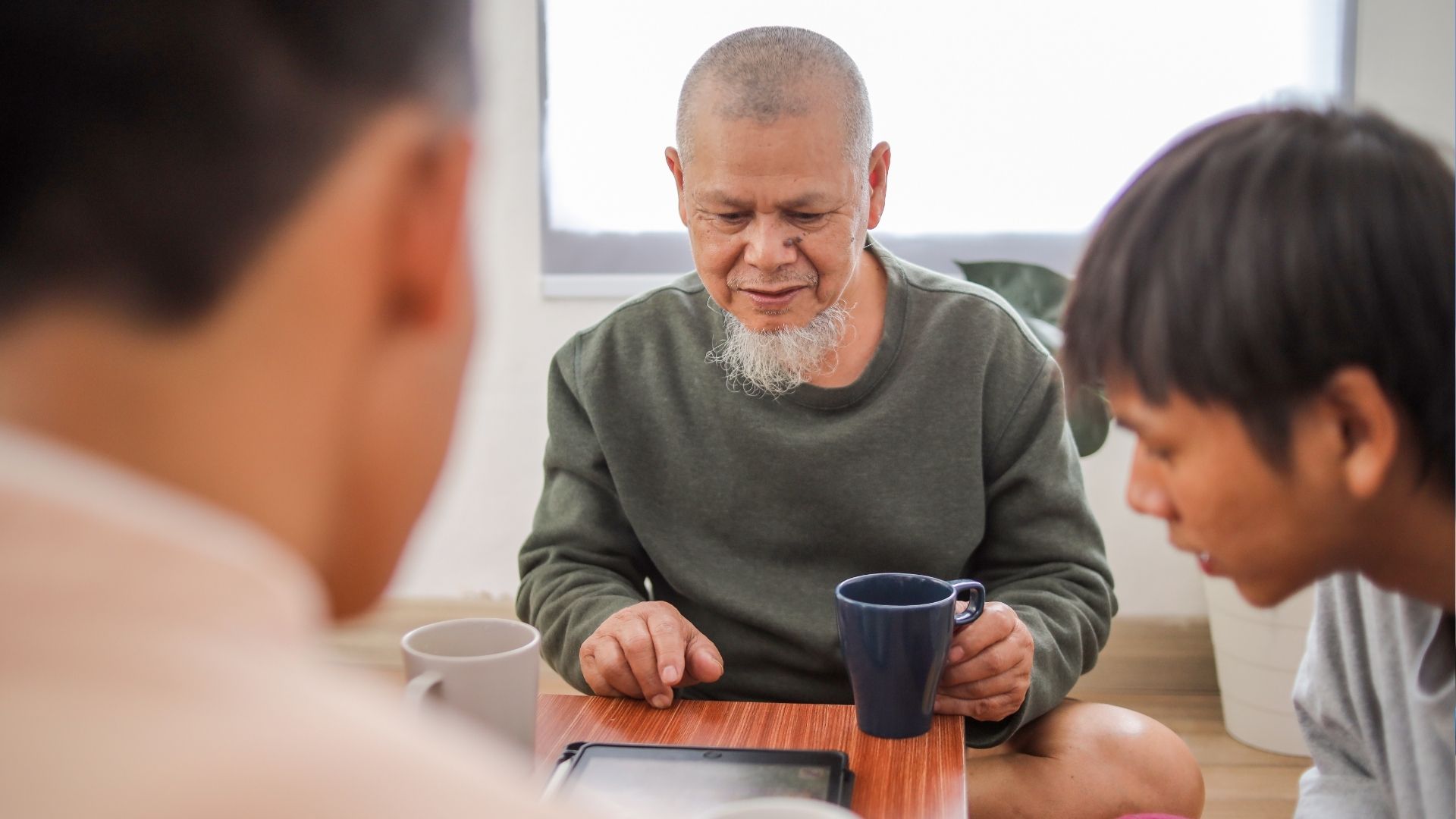
IMAGE: ADOBE STOCK
Finding new ways to connect
The challenging part about retirement isn't filling time, it's finding purpose.
Work gives structure, identity, and a sense of contribution. When that's gone, the days can start to blur.
Having moved out a couple of years back, his recent retirement has led me to make a more conscious effort to spend time with him, not just out of obligation, but with intention.
We started small. Setting aside Fridays to do our prayers together. We share weekly kopi sessions. I ask him about what he's been up to the past week. I try to appreciate all the moments he lights up when he talks about the latest travel vlog he watched on Youtube with my stepmum or their swimming dates (he's been teaching her how to swim at the nearby community pool).
To be honest, it was awkward at first. But slowly, conversations started to flow.
About his younger days. About things I had never asked before. About regrets, lessons, random memories that somehow felt more meaningful now than they ever would have when I was younger. It was definitely a new dynamic between us. The quiet fear of slowing down
One thing I've come to understand is that retirement can be unsettling in ways we don't always see. My dad confessed there was a quiet fear that comes with it. Of losing routine. Of not knowing what to do with all this newfound time, or feeling like the world has passed him by.
My dad doesn't say it outright per se. He's not the type.
But you can sense it in the way he talks about "keeping busy". In how he's always looking for something to do, something to learn, something to stay engaged with.
That's where I realised bonding with him now isn't just about spending time together. It's also about helping him stay active, both physically and mentally.
He talks about wanting to still teach tuition on a part-time basis to stay connected. I suggest tuition centres he can reach out to that will hire retirees. I randomly send him articles or videos I think he might find interesting, whether it's on health-related news or travel tips.
These might seem like small things. But they do matter. I feel the most important thing is to see retirement not as a death knell, but a way to embrace a new phase of life.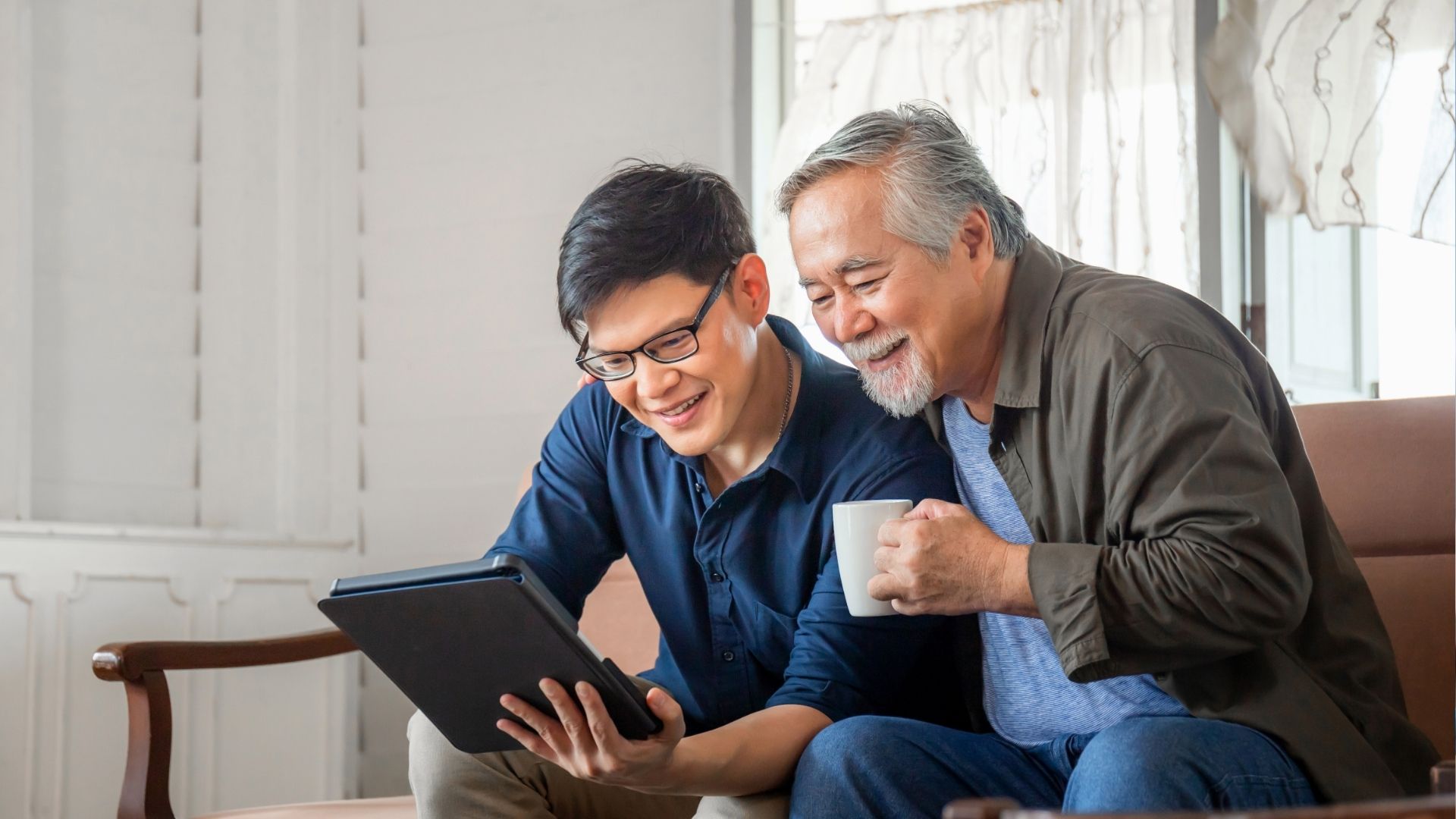 IMAGE: ADOBE STOCK
Learning to appreciate my dad differently
When you're younger, it's easy to take your parents for granted. They're just… there. We don't think twice to start arguments, trauma dump, or blame them for any current predicament we're in.
But as they get older, you start to see them differently. Not just as your parents, but as people. People who had ambitions, struggles, insecurities. People who are still figuring things out, just like we are, regardless where they are at in life.
There was a moment during one of our lunches where he casually mentioned how fast time has passed. And suddenly I started observing his wizened features, thinning hair, and the constant limp as he walked. My dad was aging before my very eyes, and it was unsettling to witness.
The realisation stuck with me. Because for the first time, I saw him as someone mortal, with more years behind him than in front of him.
Redefining what Father's Day means
Father's Day is now more precious as an occasion. It's less about the celebration, and more about reflection. It's about recognising that this phase of life, his retirement, my adulthood, is an opportunity to rebuild the relationship in a new way. We want to move beyond the roles we've always played, and meet each other somewhere in the middle.
I don't think there's a perfect formula for bonding with your parents after they retire. Every relationship is different. Every family dynamic comes with its own history. But if there's one thing I've learned, it's that time changes everything.
And if you don't actively adapt, relationships can slowly drift. So now, I try to be more intentional and present in his retirement. Having sacrificed for the family his entire life, it's only fitting that I would want to return the favour so he can enjoy his golden years.
For the latest updates on Wonderwall.sg, be sure to follow us on TikTok, Telegram, Instagram, and Facebook. If you have a story idea for us, email us at [email protected].