A Singaporean Foodie's Guide to Fukuoka
When my husband and I booked our tickets to Fukuoka, I had two agendas: one was to explore the best of nature that Kyushu Islands can offer. The other was to makan like nobody’s business.
Sure, Fukuoka has temples, parks, shopping streets and all that cultural goodness. But let’s be real - as a Singaporean, my travel plans tend to revolve around food. And Fukuoka, the unofficial food capital of southwesternmost Japan, truly delivered.
We made a conscious decision to avoid the yatai food stalls as many of them were crowded with tourists and very cramped. But if you love slurping noodles, popping into random bakeries on your adventure, and planning your itinerary around dinner reservations (like me), here’s my die-die-must-try foodie guide to Fukuoka.
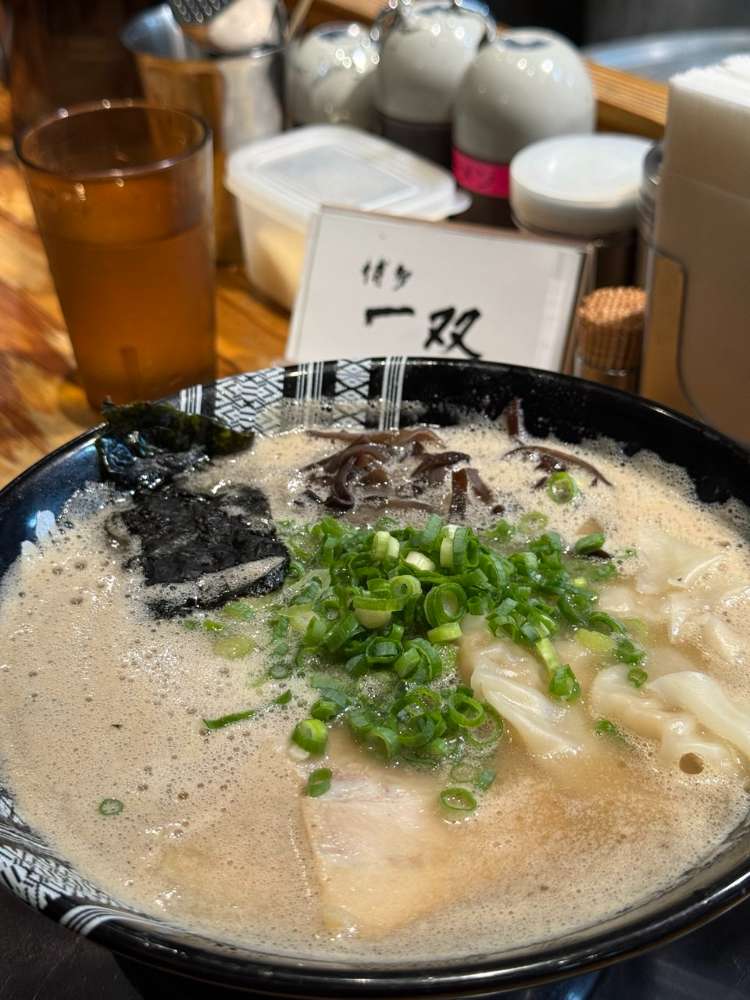
Hakata-Style Ramen. | IMAGE: GWEN TAY
1. Hakata-Style Ramen at Hakata Issou Honten
You cannot come to Fukuoka and not eat Hakata ramen. Immediately after we dropped our bags at the hotel, we walked straight towards Hakata Issou Honten, one of the city’s most famous ramen spots. The queue was long-ish, but just stay in line and wait for the restaurant staff to usher you to a machine in the shop to order first. Then, you’ll go back to your spot in the queue. You’ll have to wait outside so be prepared to bring an umbrella.
You can’t go wrong with the original Hakata ramen. It’s all about the tonkotsu broth - the rich, creamy pork bone soup that’s boiled for hours until it turns almost milky. Some reviewers described the broth as having a “cappuccino foam” (legit). The first thing that hit me when the bowl arrived was the aroma. Not jelak at all. Just deeply comforting.
The noodles are thin and straight, very different from the curly ramen you might be used to. And here’s the fun part — you can choose your noodle firmness. I went for katame (firm) because I like a bit of bite. The broth was thick, collagen-rich, and unapologetically intense.
Pro tip: If you’re still hungry, you can order a kaedama (extra serving of noodles) to dunk into your leftover broth.
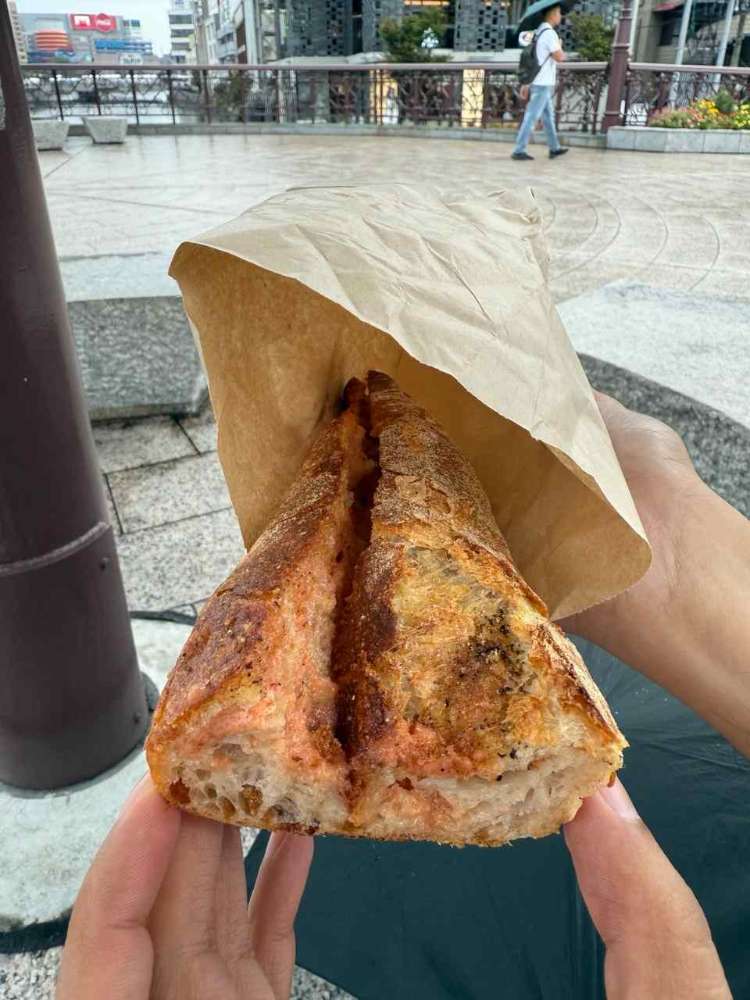
Mentaiko baguette. | IMAGE: GWEN TAY
2. Mentaiko everything (because Fukuoka is the Mentaiko capital)
If ramen is the king of Fukuoka, mentaiko sits next to it as the queen. Mentaiko is marinated pollock roe. It tastes slightly spicy, salty, and umami all at once.
One of my favourite discoveries was the mentaiko baguette from Pain Stock Tenjin. A crusty, beautifully baked French baguette, sliced open and generously slathered with creamy, spicy orange mentaiko butter. The first bite? Crunch. Then softness. It just makes you close your eyes and go, “Wah.” If only we didn’t have to queue more than 30 minutes just to get into the place.
Shoutout to my husband who secretly went to queue again on our last day just so we could have another bite before we left for the airport.
And yes, before we left Japan, we bought a few bottles of mentaiko home to spread all over our bread. I even made some mentaiko pasta. My biggest regret was not buying another bottle or two.
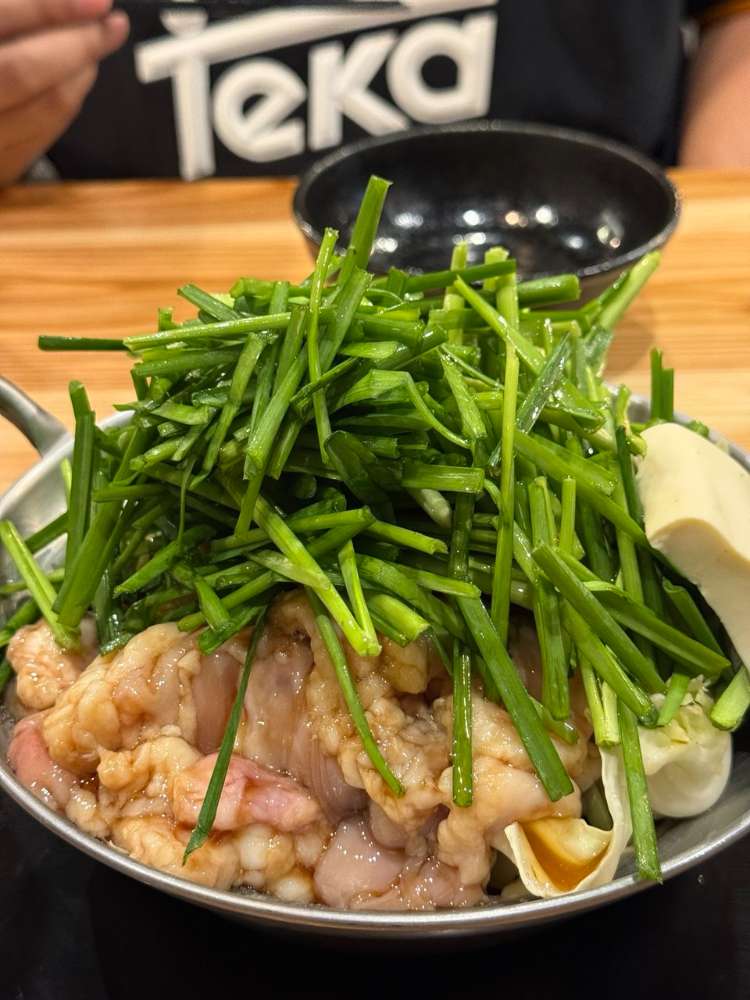
Motsunabe. | IMAGE: GWEN TAY
3. Motsunabe at Motsunabe Rakutenchi
I need you to keep an open mind for this one. Motsunabe is a Fukuoka specialty hotpot made with beef or pork offal (intestines). Big no-no? Well, as someone who does not eat innards, I’d say “try it”.
We opted for Motsunabe Rakutenchi, a super popular chain known for doing this dish right. The pot came bubbling at our table, filled with cabbage, garlic chives, tofu, and glistening pieces of offal swimming in a savoury soy-based broth.
The offal was surprisingly tender and not gamey at all. It absorbed all that garlicky, umami-rich soup. The broth itself was light but deeply flavourful. Not as heavy as tonkotsu ramen we had earlier in the trip, but equally satisfying.
Singaporeans who love kway chap and pig’s organ soup, bookmark this spot on Google Maps.
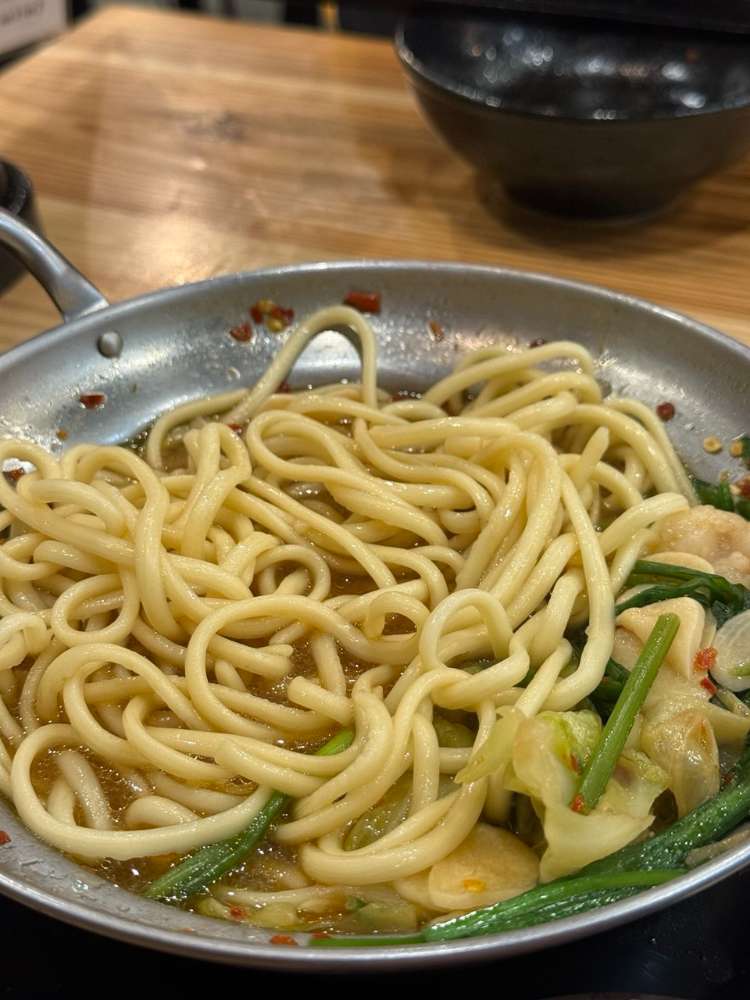
Champon noodles. | IMAGE: GWEN TAY
Pro tip: Order a serving of champon noodles to go with the motsunabe towards the end. Shiok!
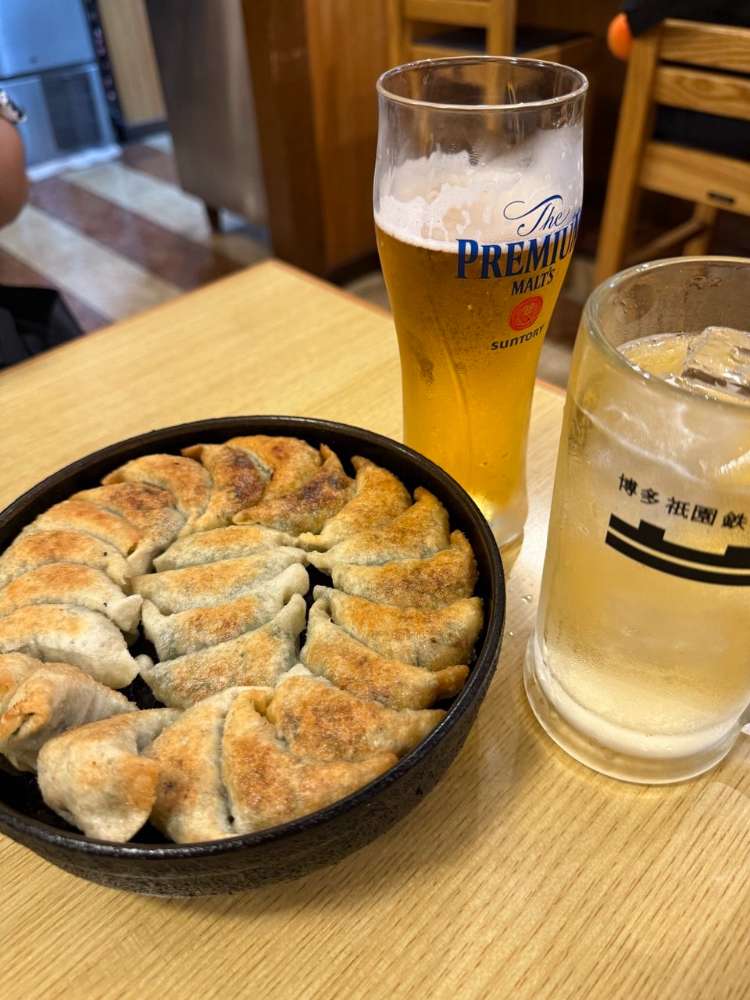
Tetsunabe Gyoza. | IMAGE: GWEN TAY
4. Tetsunabe Gyoza at Hakata Gion Tetsunabe
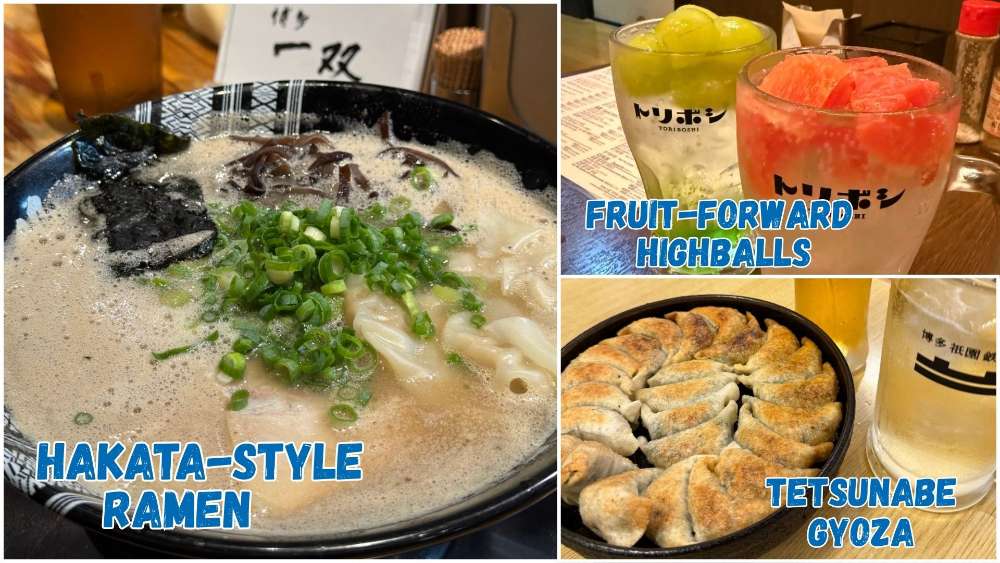
At Hakata Gion Tetsunabe, we had what might be one of my favourite meals of the trip: tetsunabe gyoza, or iron pot dumplings. These gyoza are smaller than the usual ones you see in Singapore. They’re cooked and served in a sizzling hot iron pan, which keeps the bottoms extra crispy.
We wanted to order one portion but the boss was insistent we order three portions. I was a little bit worried we wouldn’t be able to finish the food, but we followed his advice - thankfully it was just right for two.
Inside, the filling was juicy and flavourful. Pork, cabbage, and that perfect garlicky punch with a crunchy outer skin. Paired with an ice-cold beer for my husband and a highball for me, it was simple yet absolutely addictive.
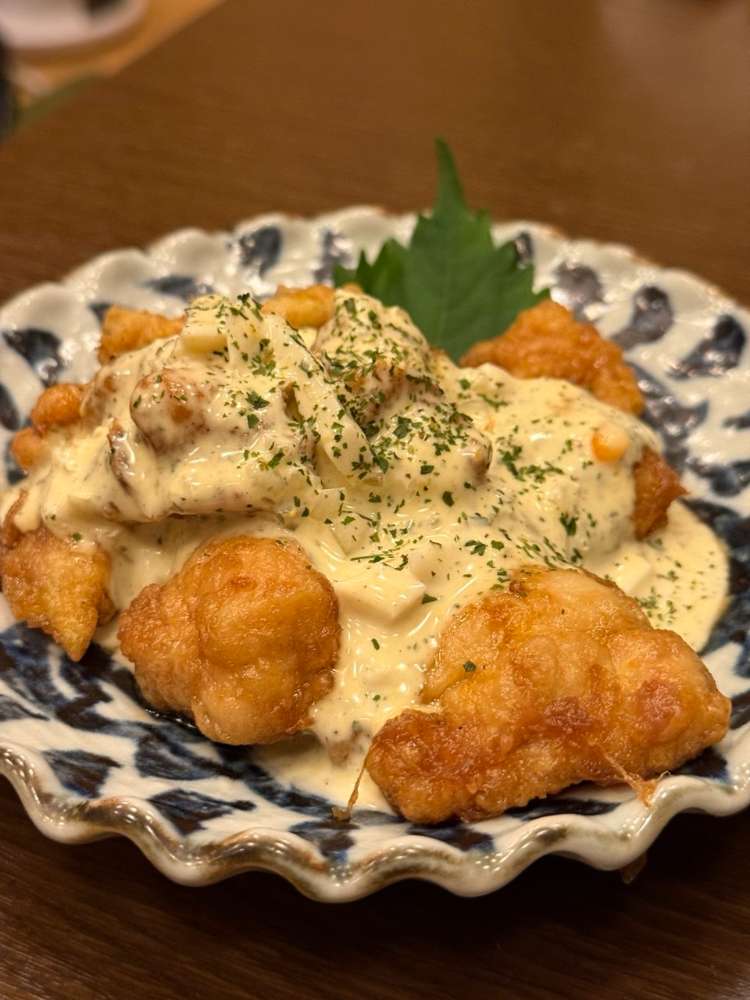
Chicken Nanban from Toriboshi Daimyo. | IMAGE: GWEN TAY
5. Hakata-Style Yakitori at Toriboshi Daimyo
Yakitori is another thing you shouldn’t miss in Fukuoka. On our second last night, we visited the locals’ favourite, Toriboshi Daimyo. It’s famous for sourcing fresh chicken directly from Saga Prefecture on Kyushu Island.
We relied on the wait staff’s recommendation and ordered the set that came with various chicken parts, including chicken hearts. Trying out the different chicken parts was unexpectedly fun, especially since the charcoal infused the fresh chicken meat with a sweet, smoky aroma.
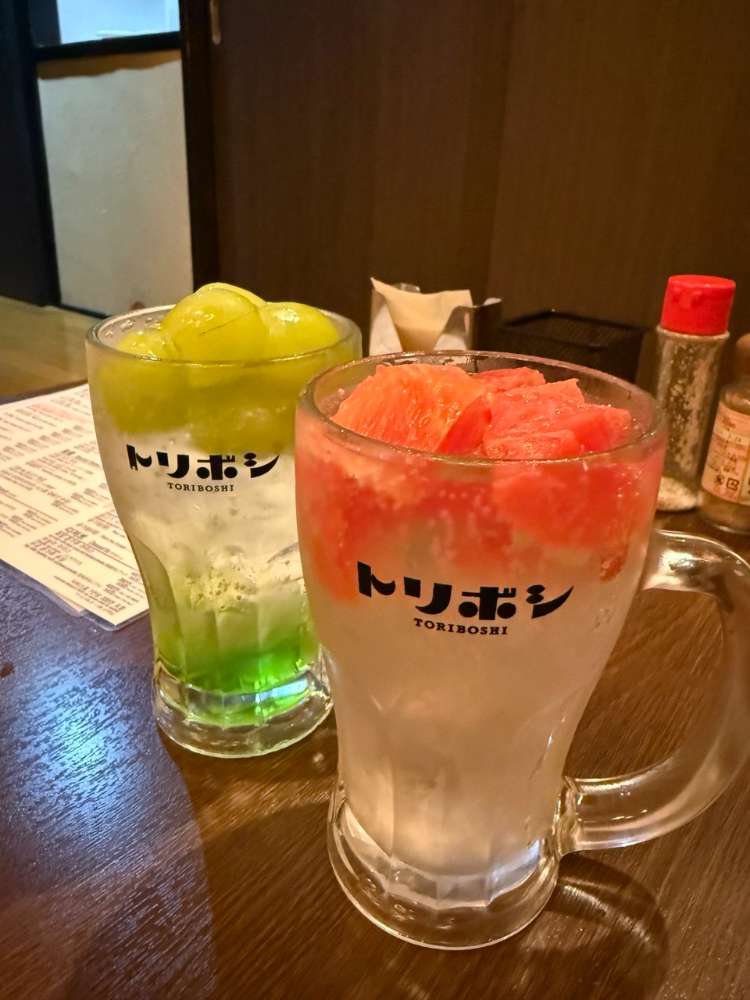
Fruit-forward highballs. | IMAGE: GWEN TAY
What I loved most was the atmosphere. It felt cosy and lively, with locals around us just being loud and chatty. Oh, and order the fruit-forward highballs - my personal favourite was Muscat grapes.
Somehow, that meal summed up our entire Fukuoka trip. No frills and no gimmicks. just really good food done properly. Just remember to leave luggage space for mentaiko. Trust me on this.
For the latest updates on Wonderwall.sg, be sure to follow us on TikTok, Telegram, Instagram, and Facebook. If you have a story idea for us, email us at [email protected].