



"Cortisol Belly" And Why I'm Already On Blood Pressure Medication In My Early 30s
There's been a lot of talk online about living a "low cortisol lifestyle" lately. Slow mornings, no stress, sunlight, matcha, journaling and all that. It looks great on TikTok. Very calming. Very aesthetic.
My actual life, unfortunately, looks more like early morning emails, sitting too long in front of a screen, and stress eating while putting off that evening jog.
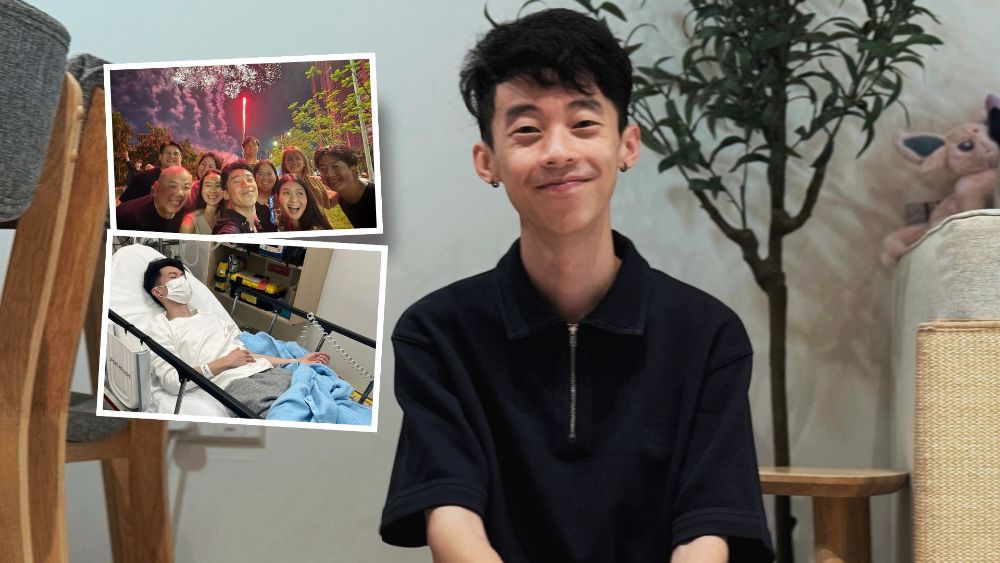
I didn't think much of it until a routine check-up turned into something a bit more serious than expected. I've only just turned 30, but I was diagnosed with an early onset of hypertension and high blood pressure.
The doctor had to prescribe me blood pressure medication (Micardis) for these ailments. And they were "lifelong" medications. As he puts it, "It''s getting more common among youths to get this diagnosis."
Well, as you can imagine, this was not on my "things to deal with before 35" list.
The reality check of health
I think there's still this quiet assumption that your 20s and early 30s are your "safe zone". You can eat badly, sleep late, skip exercise, and your body will just handle it.
Turns out, it doesn't really work that way.
For me, it wasn't one dramatic collapse or anything. It was gradual. Stress from work, long hours sitting down, inconsistent sleep, and not enough movement. The usual modern adult combo. The weight gain was getting more pronounced, as was my fitness. But I thought nothing of it.
Then one day you're sitting in a clinic and hearing words like "elevated blood pressure" and "we should start you on medication," and suddenly you feel like you've aged 15 years in 15 minutes.
I was honestly a bit surprised. And also slightly embarrassed, if I'm being honest. Not in a life-ruined way, but more like… "how did I get here already?"
Hypertension isn't an "old person's issue" anymore
One of the things I didn't realise until recently is how common hypertension actually is in Singapore.
More than 1 in 3 Singaporeans have high blood pressure, and it's not just older folks anymore. It's showing up earlier, especially in men.
There's been more attention on this lately too. For example, recent health initiatives in Singapore highlighted that some regions are seeing lower physical activity levels and higher rates of hypertension and diabetes, which led to new programmes encouraging simple things like brisk walking as a starting point for better health.
It sounds almost too basic to matter. But apparently, that's the point. We've made life so sedentary that "just walk more" is now official health policy.
Which says quite a lot, actually.
What "low cortisol living" actually looks like in real life
The idea of a low cortisol lifestyle is simple enough:
Less stress, more rest. More movement, better sleep, less chaos.
In reality, especially in Singapore, it's harder to fully "opt out" of stress. Work is fast-paced. Everything is always on. Your WhatsApp/Slack is always blowing up. Even relaxing sometimes feels like something you need to schedule.
But I've started to understand it less as a perfect lifestyle and more as small adjustments that actually add up.
For me, it's been things like the following:
- Walking more (even short distances instead of grabbing transport immediately)
- Cutting down late-night screen time (still working on this one)
- Being more intentional about sleep instead of treating it as "whatever is left over"
- Actually tracking my health numbers instead of ignoring them until something goes wrong
None of it is dramatic. Honestly, it's a bit boring. But boring is kind of the goal.
The part where medication becomes part of your routine
Starting medication like Micardis wasn't exactly a life-altering moment in the cinematic sense. There was no dramatic montage.
It was more like: "All right, here's a daily pill now."
I think what caught me off guard wasn't the medication itself, but the fact that I needed it this early. It forces you to think differently about age. Like, being "young" doesn't automatically mean being "healthy".
You can feel fine and still have underlying issues building up quietly in the background.
That part is a bit unsettling.
What I wish I took more seriously earlier
If I'm being honest, I probably ignored a lot of early warning signs because nothing felt urgent.
I wasn't passing out or experiencing anything dramatic. Just tired all the time, a bit stressed, not really exercising consistently. The kind of things you explain away as a "busy season" for years.
But your body doesn't really care about how good your excuses sound. The "cortisol belly" doesn't just appear overnight. It creeps up on you, like a malevolent creature taking over your body.
If anything, I'd probably tell my younger self (or anyone in their 20s now) that you don't really "feel" hypertension building. That's what makes it tricky.
Why I'm not trying to be extreme about it
I'm not suddenly living like a health influencer now. I still eat out. I still have stressful days. I still sit too much.
But I do think I've stopped treating health like something I'll "deal with later".
That mindset doesn't really work anymore, especially in a city where everything moves fast and most jobs are sedentary.
The goal now isn't perfection. It's just not ignoring it.
It's not about fear; it's about awareness
I used to think "low cortisol lifestyle" was just another internet wellness trend.
Now I think it's just a slightly fancy way of saying your body keeps the score whether you like it or not.
I'm still figuring it out myself. Some days are better than others. But I guess the main takeaway for me is simple: You don't have to wait until something goes wrong to start paying attention.
Because sometimes, by the time it shows up clearly, it's already been there for a while.
For the latest updates on Wonderwall.sg, be sure to follow us on TikTok, Telegram, Instagram, and Facebook. If you have a story idea for us, email us at [email protected].