




I Took Public Transport Until I Was 30 — And Honestly, We Take It For Granted
I only got my driver's licence after I turned 30. So for most of my life I commuted on the Singapore public transport system, which meant taking the MRT or bus every day.
So I had no idea what the uproar was about in April when Deputy Prime Minister Gan Kim Yong urged Singapore residents to deal with the current energy crisis originating in the Middle East by taking public transport and using fans.
A quintessential Singaporean experience
Truth be told, I never felt I was missing out. Given our country's size and connectivity, it just feels like the default travel option.
Growing up, the MRT map felt like an organic, living thing.
New lines would appear every few years, like expansions in a video game. Downtown Line. Thomson-East Coast Line. Each one quietly compressing distances, making previously "ulu" places suddenly accessible. I remember getting legitimately upset that the Circle Line connecting Buona Vista to the East would only be completed a year after I graduated from Singapore Polytechnic. Imagine all those rush hour crowds I could have avoided having to put up with only one direct line to Dover, where my alma mater was situated.
Going to certain parts of Singapore felt like a full-day commitment. From long cross-island train rides for school in the west to 2-hour bus rides to my National Service camp, and even the now-discontinued NightRider service that saw me through my "ahem" clubbing days, it just felt like an everyday Singapore reality.
Now? It's one transfer and maybe a podcast episode away.
Public transport wasn't just how I got around — it shaped how I experienced the country.
School, poly, army, work — every phase of my life was tied to a bus route or an MRT line. You learn the rhythms. You memorised the bus numbers and sought out the double-deckers; there's almost an unspoken skill to being a seasoned commuter in Singapore.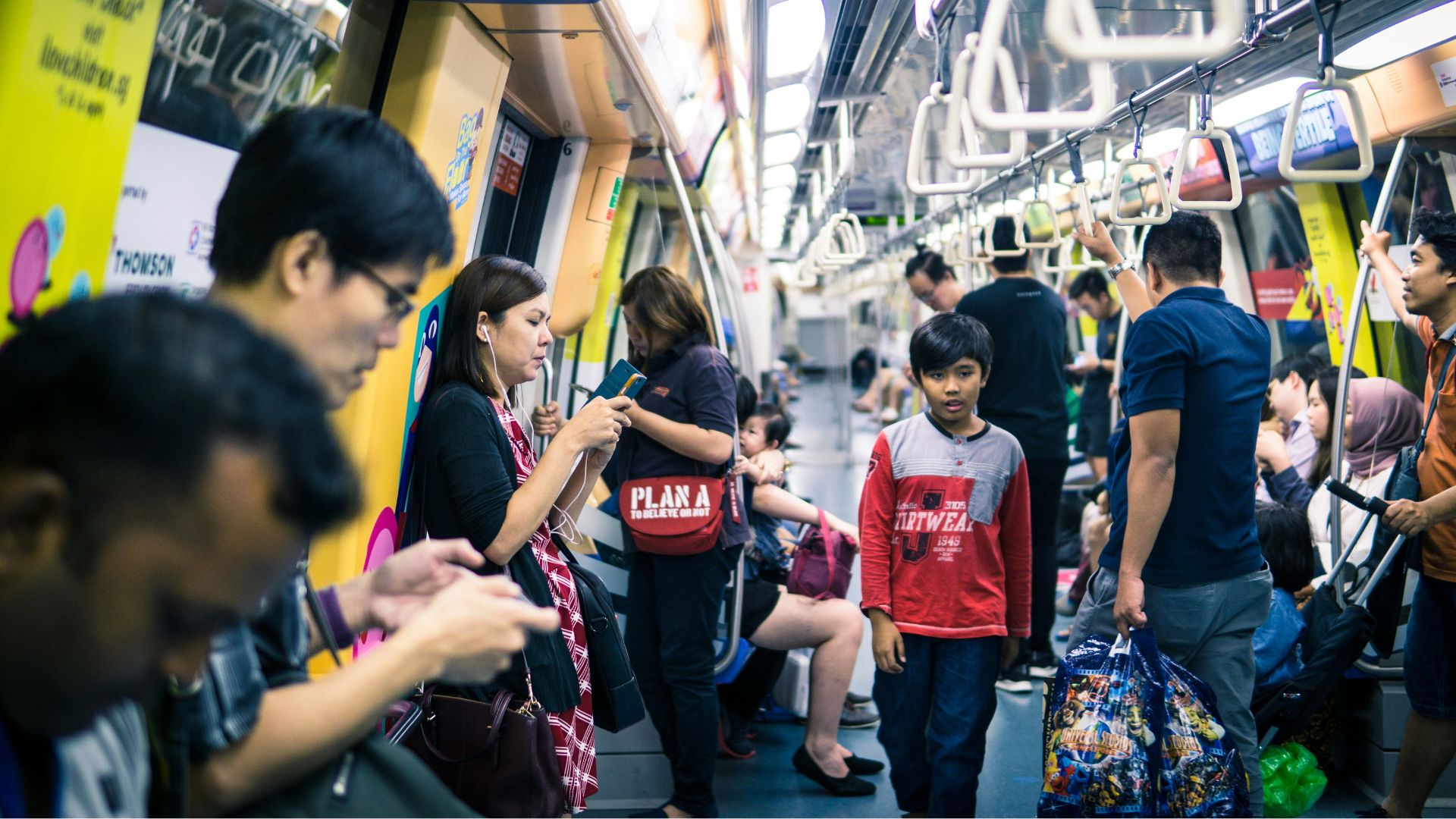
IMAGE: UNSPLASH
Even a world-class transport system has its flaws
Of course, it's not perfect.
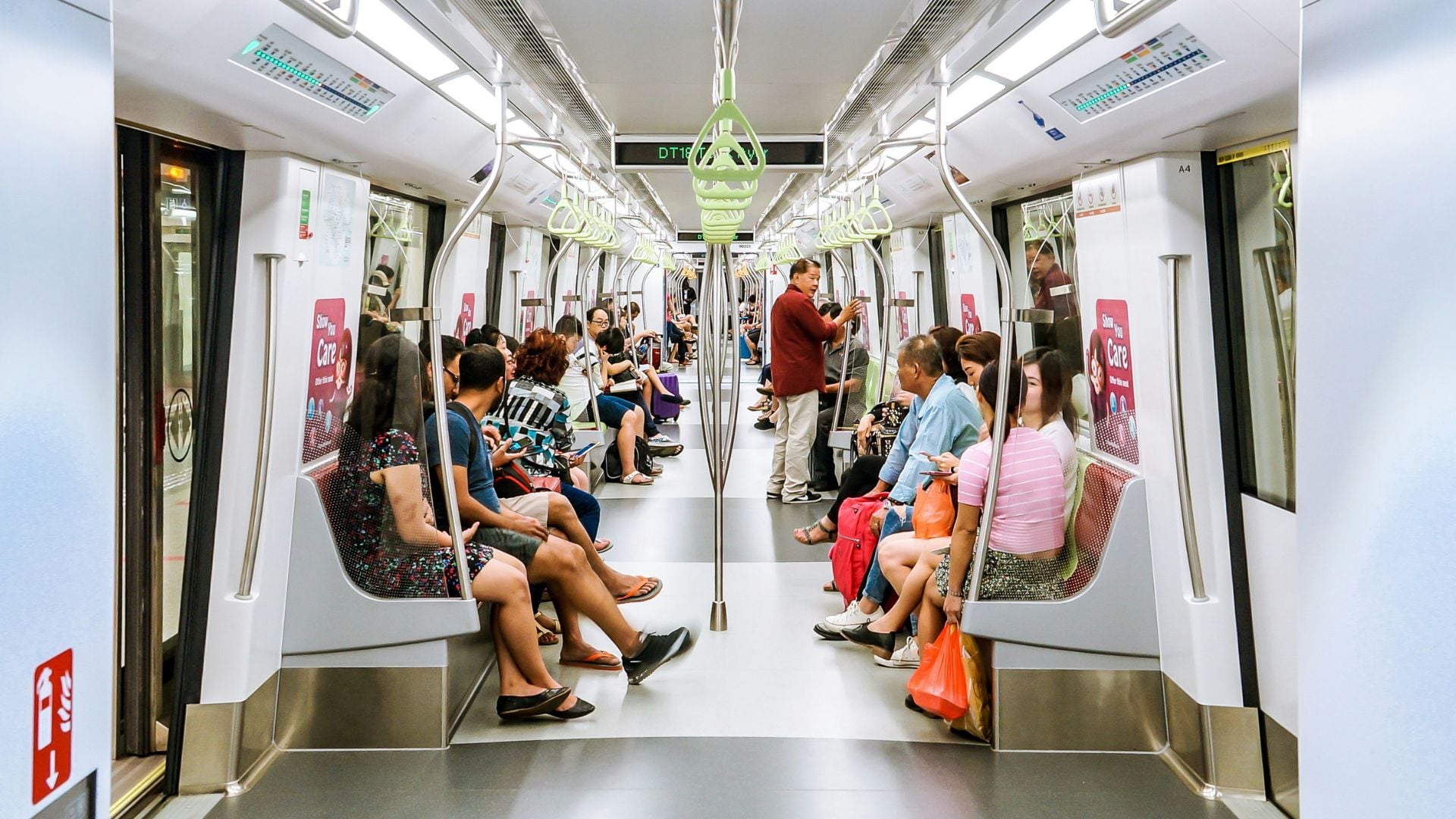
Let's not pretend peak hour is some zen, low-cortisol experience. Try squeezing between strangers, trying not to make eye contact, silently negotiating for some semblance of personal space.
Then there are the breakdowns. The dreaded announcement: "We apologise for the delay…"
Suddenly, your entire morning derails. That used to be a bummer, especially when you were late for class or had an 8.30am reporting time for work. You're calculating alternative routes, debating whether to Grab (and take the financial L) or just accept your fate and text your boss: "Train issue."
These are real frustrations. And they're valid.
But here's where I think we sometimes lose perspective.
Because even with all that — the crowds, the breakdowns, the occasional chaos — Singapore's public transport system is still incredibly reliable by global standards. There's a reason it's been billed as world-class and the standard-bearer which other countries strive to emulate.
You can get from almost any point to another without needing a car. Buses fill in the gaps. Trains run frequently. Information is (usually) clear and accessible. And for the most part, it's affordable.
I've travelled enough to know that this isn't the norm everywhere.
In some cities, missing a train means waiting 20–30 minutes for the next one. There could be external circumstances beyond your control, such as employees going on strikes or natural disasters. In bigger countries, entire areas are just not accessible unless you drive. These are actual realities that we are lucky enough to have to contend with.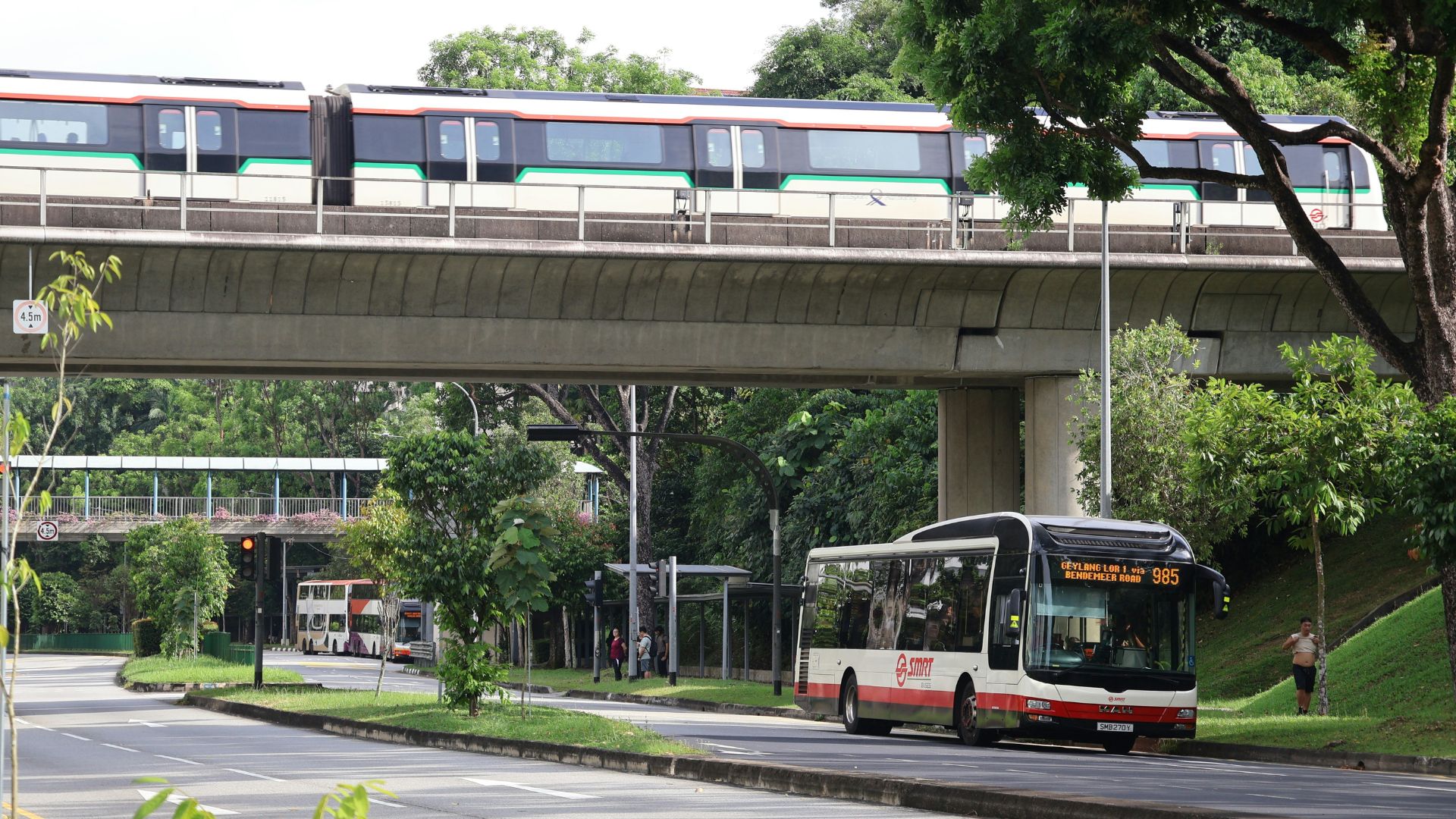
IMAGE: UNSPLASH
The debate around taking public transport
In Singapore, a 5–10 minute delay feels like a national crisis.
That says a lot. In light of energy concerns linked to global tensions, there's been renewed conversation around taking public transport. But why does it hit such a raw nerve? It is just a case of class warfare and tone-deaf messaging given the cost of living has increased, or is it something deeper?
Some netizens fully agree: "Yes, we should rely less on cars." Others push back: "Easy to say, but have you taken the MRT at 8.30am"
Both sides aren't wrong. But the tension is certainly palpable.
I can speak only of my own experience. On paper, public transport is efficient, cost-effective, and environmentally responsible. But on the ground, it can be uncomfortable, unpredictable, and sometimes just plain tiring — especially if you're doing it twice a day, five days a week.
It's one thing to take the train occasionally.
It's another thing to build your entire daily routine around it.
For me, taking public transport until 30 wasn't a conscious "lifestyle choice".
It was just… life.
I didn't think about carbon footprints or energy consumption. I wasn't trying to be environmentally responsible. I just didn't have a car, and honestly, I didn't feel like I needed one.
Looking back, I realise how much it grounded me. You're part of a shared experience. You overhear conversations. You people-watch. You learn patience (whether you like it or not). It keeps you connected to the everyday reality of living in Singapore.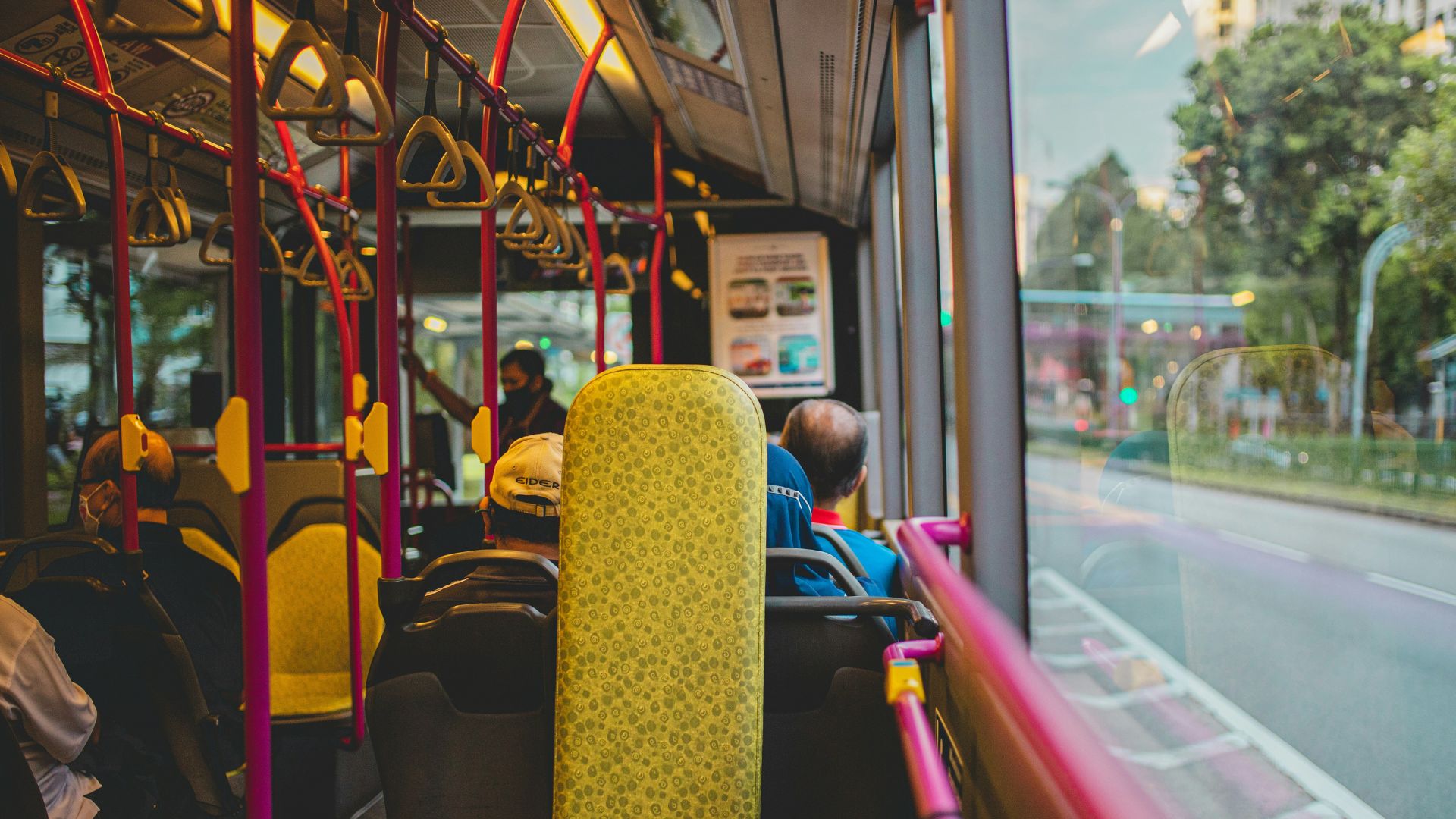
IMAGE: UNSPLASH
Are we taking our public transport system for granted?
Getting my driving licence at 30 didn't suddenly make me abandon public transport.
If anything, it made me appreciate it more. Because now I had a point of comparison.
Driving is convenient, no doubt. If you're privileged enough to own a car in Singapore, you can understand and appreciate the comfort, control, and luxury of personal space. No peak hour squeezing. No wondering if the next train is delayed.
But it also comes with its own issues — from traffic and parking to rush-hour jams and costs that add up faster than you'd like to admit. Sometimes, when I'm stuck in a jam, I catch myself thinking, "I could've been on the MRT… just stoning."
So do we take public transport for granted?
I think, in some ways, yes. And I'm not saying that to play devil's advocate or to push some sort of pro-public transport agenda. But objectively, we've become so used to a system that mostly works, we only notice it when it doesn't.
The efficiency has become a silent expectation, not an operational marvel that should be appreciated. We enjoy its benefits and its convenience but cause a ruckus when we are encouraged by the powers that be to utilise it more. We forget how much it enables our daily lives.
At the same time, I don't think the answer is to blindly say, "Just take public transport." Of course, people's experiences differ. Life circumstances play a role as well. You can't expect parents with newborns to be commuting via bus or MRT. But different realities can exist at the same time.
Ultimately, my honest takeaway is this:
Singapore's public transport system isn't perfect. But it's pretty remarkable.
And if you've spent most of your life, like I have, tapping in and out without thinking twice — maybe it's worth pausing, just for a moment, to recognise that.
Even if it's while you're squeezed between two strangers on the North-South Line, wondering why Kranji station takes so darn long to reach compared to other stations.
Because that, in its own way, is part of the Singapore experience too.
For the latest updates on Wonderwall.sg, be sure to follow us on TikTok, Telegram, Instagram, and Facebook. If you have a story idea for us, email us at [email protected].