

From Servicemen To Domestic Helpers: How One Former SAF Officer Found A New Way To Serve
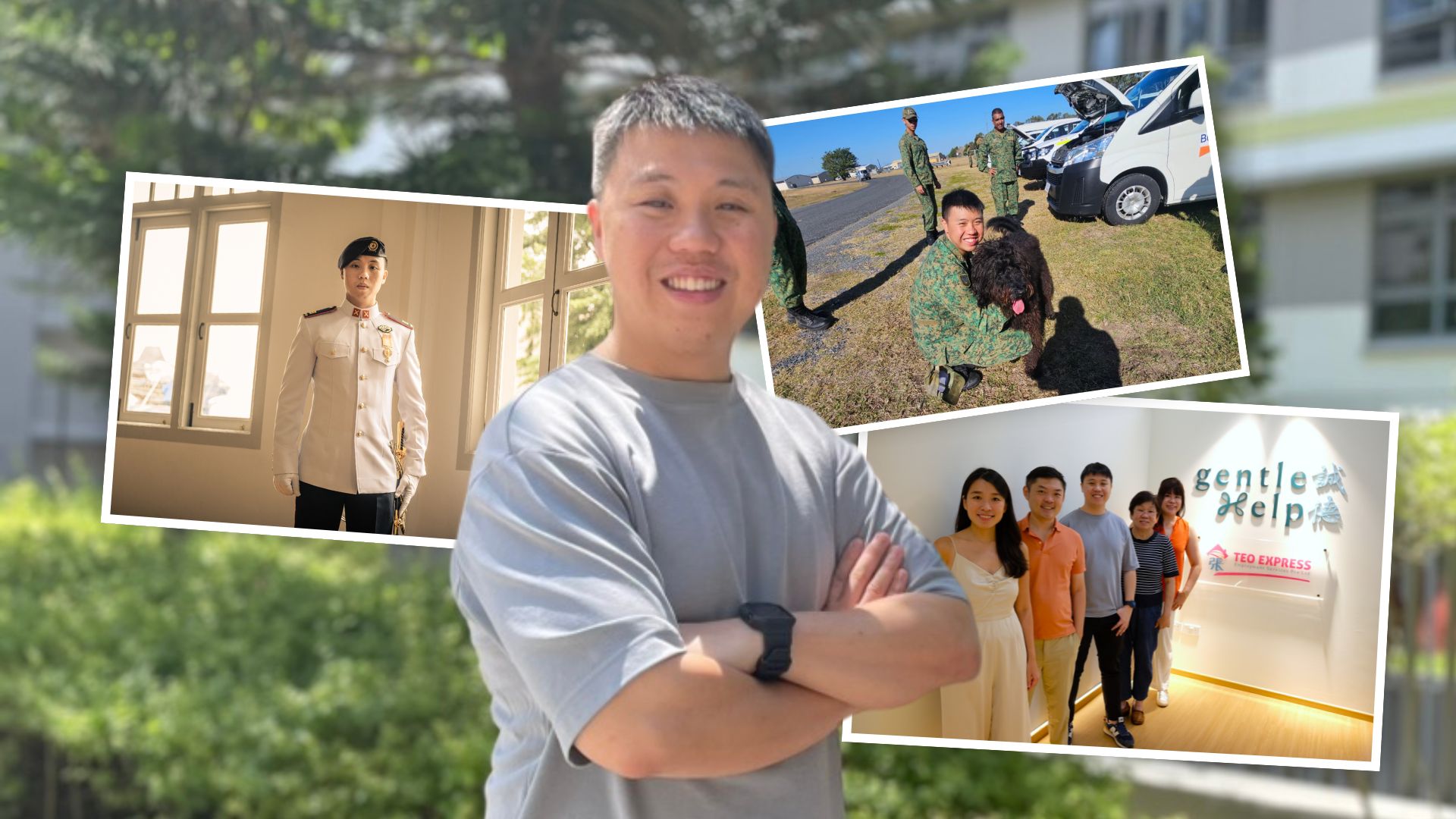
What do maid agencies and the Singapore Armed Forces (SAF) have in common? To most people, not much. But for Melvin Lee, the two are inextricably linked: before his tenure as Head of Operations & Marketing at maid agency gentleHelp, he spent 11 years in the SAF routinely interviewing and counselling servicemen, helping to place them in units where they could thrive. Today he uses those same skills to help place domestic helpers with the right families. And afterward, to help employers and helpers iron out their differences.
"Employers often have issues with helpers in the first few weeks or months," Melvin shares. "They call me for advice on how to solve the issue, or whether they should find a replacement.
"That's when my counselling experience from the army helps — listening first, understanding the problem, and asking more questions before jumping to a conclusion."
No, he wasn't a professional therapist in the SAF, Melvin chuckles. But as a manpower officer, he served as a listening ear for men having trouble adapting to National Service (NS), or to their unit.
"My role was to speak to them and find a good fit for them within the units under me," Melvin says. "A lot of times, they came with financial or emotional issues. Financially, many were from less privileged backgrounds, and even while serving NS, they still needed to support their families."
"Emotionally, many had family issues at home that they were struggling with. Sometimes, their behaviour in NS was affected by what they were facing at home. They needed someone to speak to and someone to help them work through these issues."
"Because NS is mandatory for all men in Singapore, we try our best to encourage them to complete it rather than escape from it, because that wouldn't be a good outcome for them."
As Singapore marks SAF Day (1 July), Melvin's story reminds us that the spirit of service doesn't stop after you hang up the uniform — it simply finds new ways to make a difference.
Here's what else Melvin shared with us about using the skills he gleaned from the SAF in his new career:
Before we get into your time with the maid agency, tell us about your time in the SAF and how you ended up in your role.
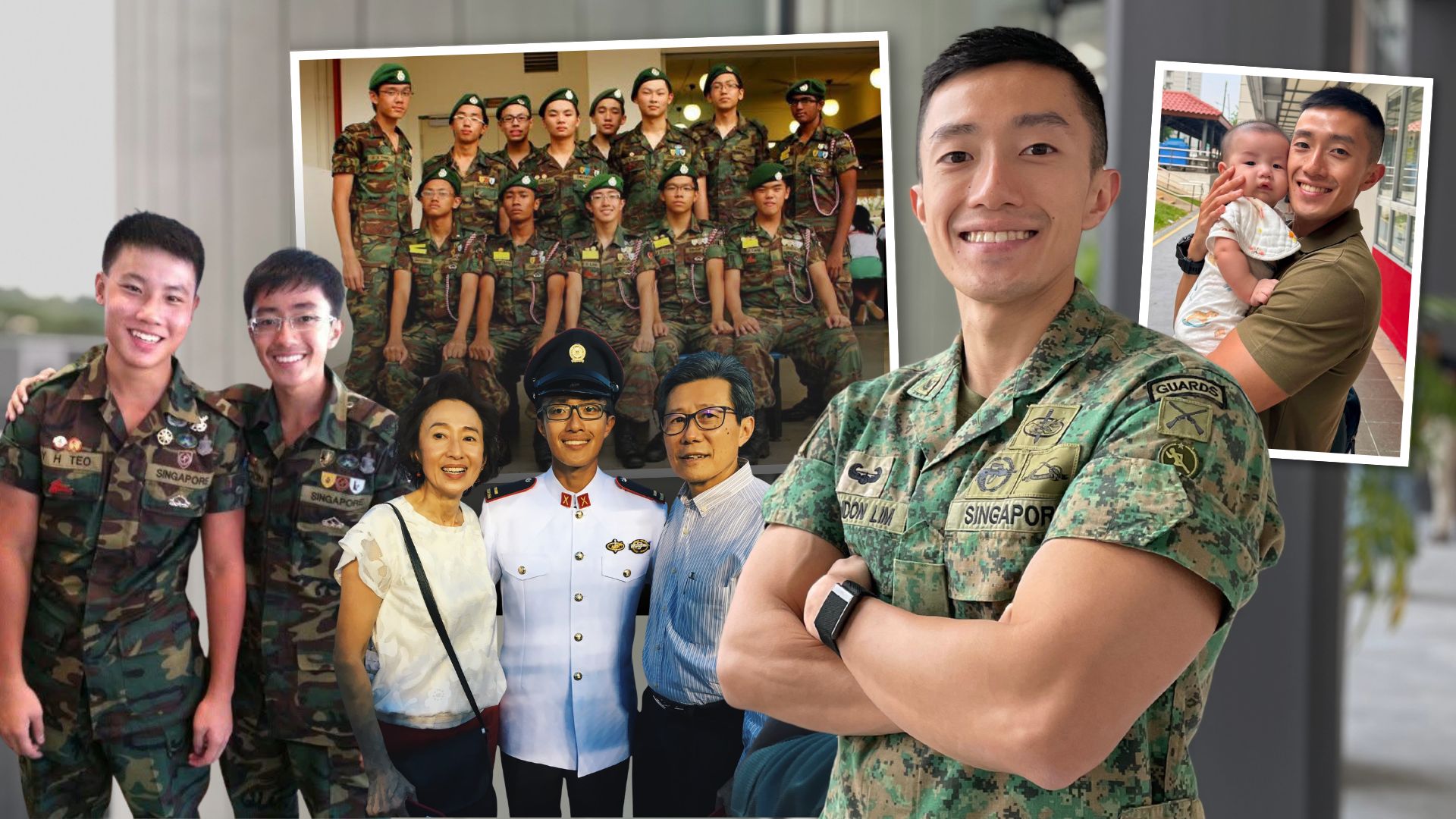
When I first joined the army, I was doing my National Service, as per usual. But I quite liked the environment I was in, and I wanted to stay longer. So I decided to sign on after my commissioning parade.
In the initial phase of my career, I was more of an instructor, so I had to be more authoritative and demanding. I was a very different type of officer back then because of the requirements and expectations of me.
When I came back after my studies, I took on a more senior role where I had men under me. I had to manage them, coach them, and get them ready for exercises and evaluations. Over time, I softened my approach and became a better listener so that we could achieve mission success together.
As someone who worked extensively with people, was there any particular serviceman whose story stays with you until now?
Yes! During my time as a manpower officer, part of my job was to follow up on servicemen who went AWOL (Absent Without Official Leave). We had to do house visits to check if they were home and account for their whereabouts.
There was one case I followed for about a year with no result. I had to do monthly house visits, but the parents were unhappy because it was pressuring for them. They knew their son wasn't coping well and were afraid things would go wrong if he returned [to camp].
Eventually, the military police arrested him during a routine check and brought him back to the unit. The mother was very upset because she was worried about him. That shook me a bit, but I did my best to calm her down and explain that we were following procedure.
About half a year later, after I had moved to another unit, the mum called me. She thanked me for what I did. She said that after I spoke to him in detention barracks, something clicked for him, and he became more loving towards her.
I wasn't expecting that. It made me realise that when we lead people or speak to them, it may look like there's no hope at the time, but seeds are being sown. That changed my perspective and continues to drive me as I lead others.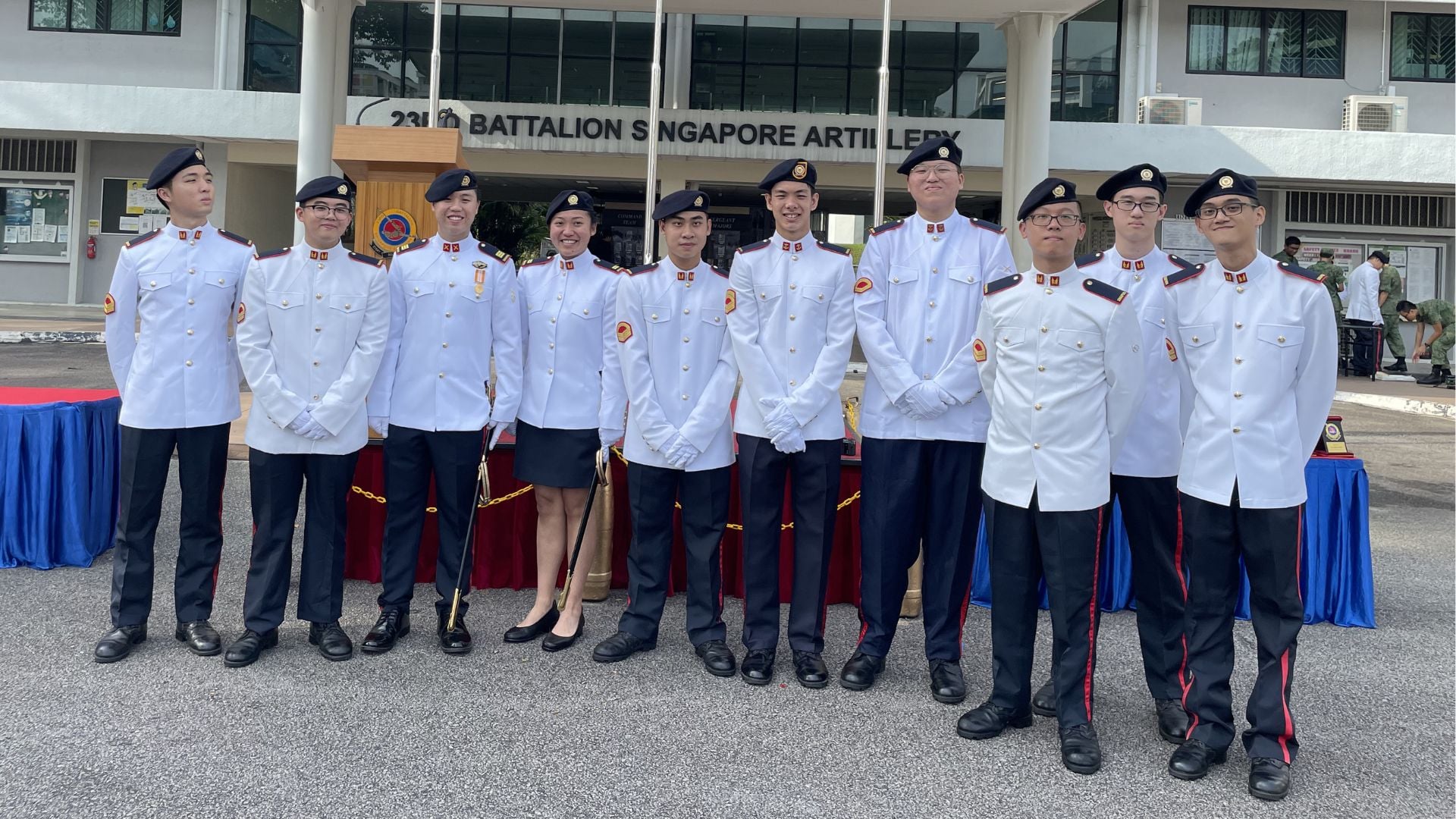
Melvin started as an artillery officer, eventually moving into operations and manpower roles as he progressed in his career in the SAF. | IMAGE: MELVIN LEE
It sounds like you were pretty fulfilled in the SAF, so how did you end up at a maid agency?
The change wasn't easy. In the year I was supposed to leave the force, I was actually promoted to the rank of Major, and I declined the promotion. Not because I hated my job — I loved what I was doing. But I wanted to see what else I could do with my skill set outside.
I tried different things like property and financial advisory. Eventually, that led me to the maid agency. My friend approached me at a good time and said he needed someone to run operations someone with experience relevant to what the agency needed.
I also loved the purpose of the business. They weren't just there to supply helpers to families. They wanted to reform the industry by giving clarity, transparency, and peace of mind to people hiring helpers. That resonated with me.
Pretty insightful of your friend to make that link in your skill set!
In the army, operational requirements are stringent, and we always have to keep our superiors and teams well-informed. The maid agency is similar. Processing work takes a while, so I make sure we communicate updates to employers in a timely way.
That gives them peace of mind while waiting for their helpers, especially because these requirements are often urgent. We also provide end-to-end service, including arranging transport for helpers to get to employers' homes.
My experience [in the SAF] helped me systemise the process and visualise the entire workflow — from the time they hire the helper to the time the helper reaches their home.
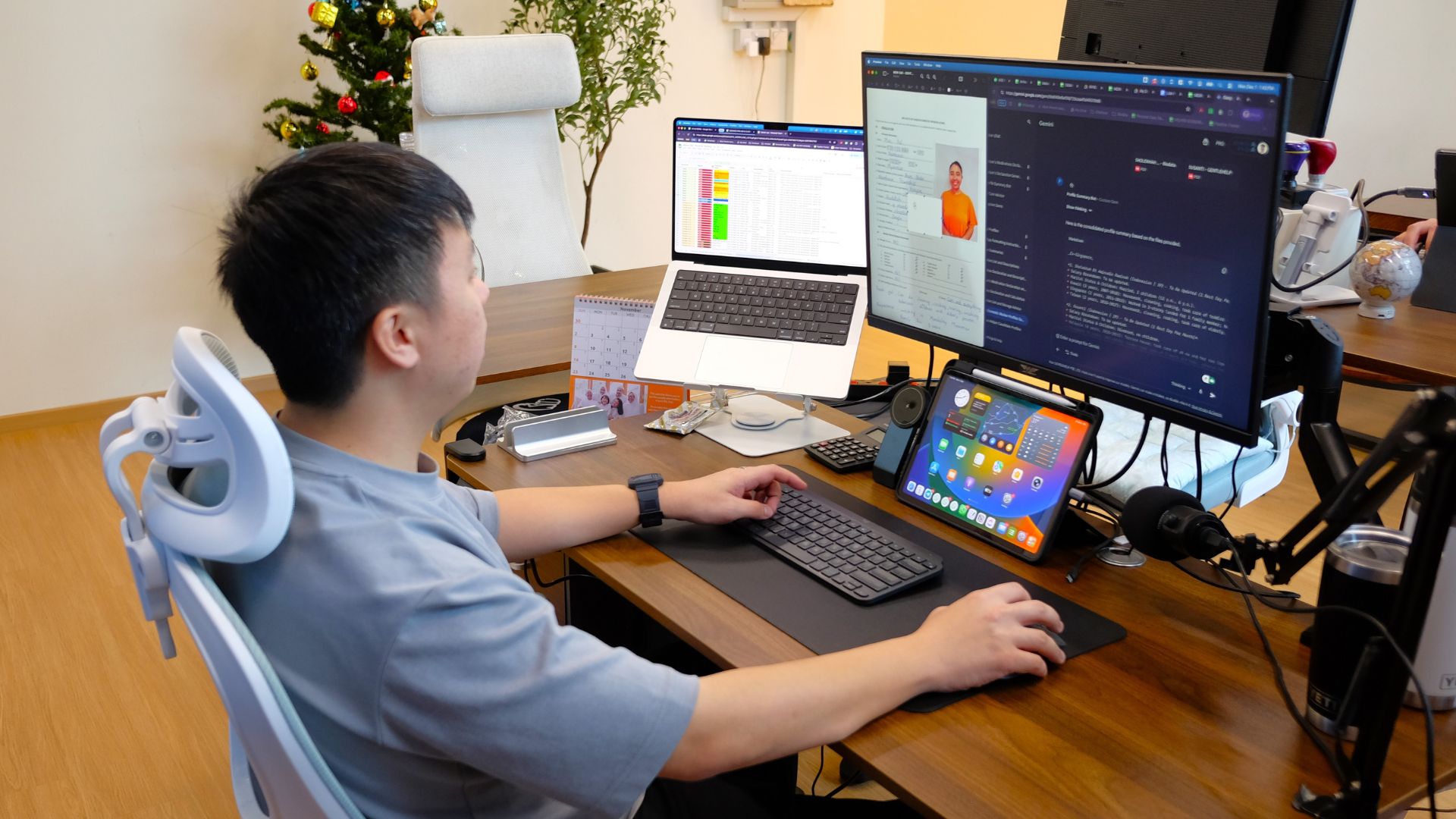
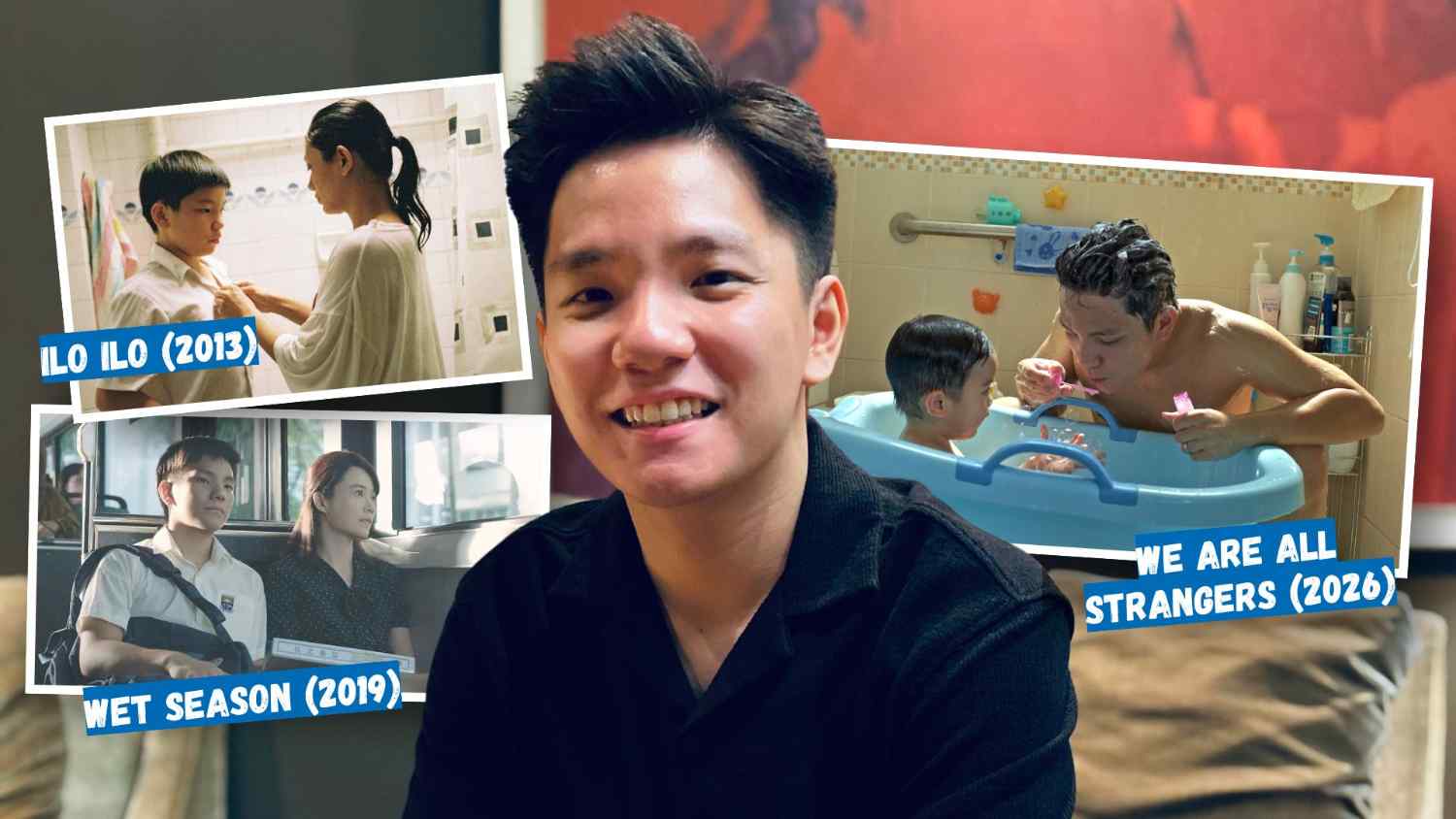
To understand client needs, Melvin spent his first few months at gentleHelp working as a maid agent, matching helpers' biodatas to prospective employers. Now that he's on the operations side, he handles the processing work and the handover once employers confirm their choice of helper. | IMAGE: MELVIN LEE
Can you tell us more about your approach to helping both servicemen and domestic helpers find a sense of belonging?
In the army, I did posting plans where I had to deploy servicemen to different units. Different units had different requirements.
Whenever I received feedback, I would ask questions and see how we could adjust things to help the serviceman fit in first. That was always my first approach, to help with the initial phase of adaptation before deciding what to do next.
It's similar with helpers. We don't immediately conclude that someone isn't a fit. We try to take steps to help the person first before deciding whether they should continue or move to a different employer.
A lot of times, it may just be miscommunication or unmet expectations. We encourage them to try their best and work on the areas they need to improve on. Then we reassess. If it's truly not a fit (for example, if she isn't comfortable taking care of a baby), then we decide whether to find a replacement.
You've spent more than a decade listening to people talking about their problems. What keeps you going when their emotions start to weigh on you?
One key thing I realised is that I cannot solve everything presented to me. That's the reality I need to accept.
From there, I tell myself that I'll do my best. For every case and every serviceman who comes to me, I will listen and do my best. Everything else, I leave to the professionals and to how it should be.
For the latest updates on Wonderwall.sg, be sure to follow us on TikTok, Telegram, Instagram, and Facebook. If you have a story idea for us, email us at [email protected].