



Fasting on the Move: What Ramadan Feels Like as a Muslim Traveller
Most Muslims in Singapore grow up experiencing Ramadan in a fairly predictable rhythm.
You wake up before dawn for sahur (pre-dawn meal), stumble through the day in a mild state of hunger, and then gather with family or friends to break fast at sunset. Given our multi-racial society, the routine is familiar enough that even many non-Muslims know the drill: the evening call to prayer, the busy Ramadan bazaars, the quiet relief of that first sip of water after a long day.
But this year, I had the opportunity to travel during the first week of Ramadan. Let’s just say, fasting as a Muslim traveller brought with it a slightly chaotic twist to that rhythm. Suddenly, the timing changes. The weather changes. The daylight hours change. Even the small rituals you’re used to, the mosque you visit, the food you break fast with, are replaced by something unfamiliar.
While I was abroad at the start of the fasting month, I realised I had technically started Ramadan one day earlier than my friends and family back in Singapore.
Cue the inevitable messages on my family group chat.
“Eh, why are you fasting already?”
“Singapore has not started yet, you know that right?”
“You speedrun Ramadan ah?”
It wasn’t a mistake. It was simply the way the Islamic calendar works.
Why Ramadan doesn’t start on the same day everywhere
Unlike the Gregorian calendar most of the world follows, the Islamic calendar is actually lunar, meaning each month begins when the new crescent moon is sighted.
Traditionally, Muslim scholars would physically observe the night sky to confirm the appearance of the new moon. Once the crescent was sighted, the next day would officially mark the start of a new Islamic month, including Ramadan.
Today, many countries supplement moon sightings with astronomical calculations to determine when the crescent moon is expected to appear. But because sightings depend on geography, weather conditions, and the interpretation of religious authorities, different countries can occasionally begin Ramadan on slightly different days.
Singapore, for example, has relied on astronomical calculations (hisab) since the 1970s to determine the start of Islamic months. The mufti (the most senior Islamic religious leader), will usually announce the first day of the fasting month based on these calculations. But if you happen to be travelling elsewhere when Ramadan begins, you usually follow the local announcement.
Which is how I found myself starting Ramadan a day earlier than Singapore this year.
Technically, it just means my Ramadan finishes a day earlier too but in the moment it mostly meant explaining to friends why I was suddenly fasting ahead of schedule. Interestingly, since I’ll be back home in Singapore at the back end of Ramdan, I will then follow the fasting schedule of the country you are in, which means fasting an extra day technically. Fascinating, huh?
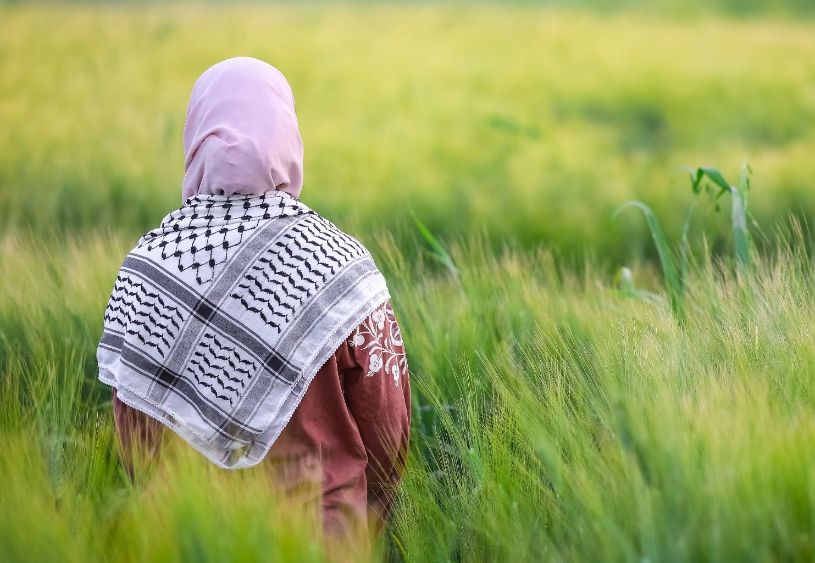
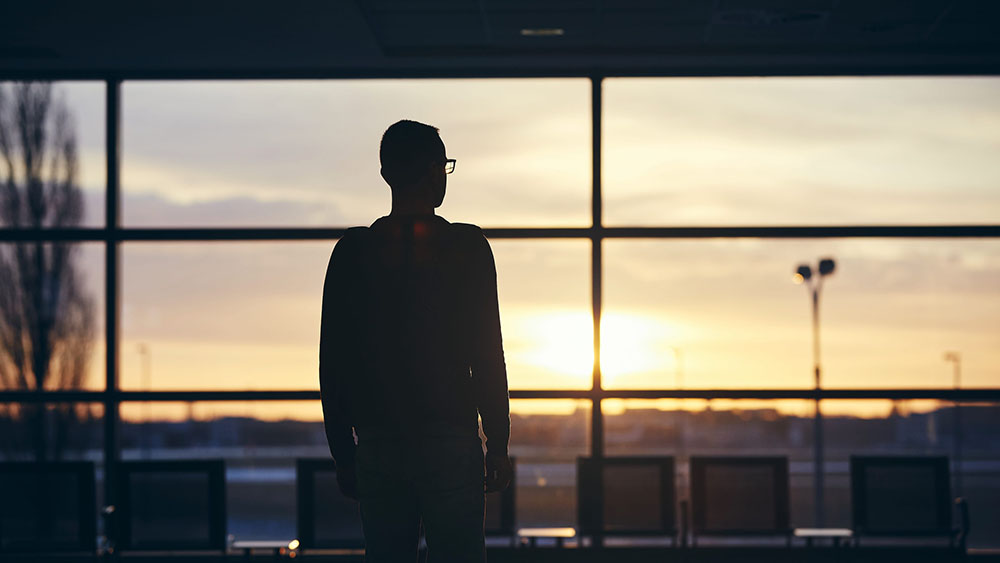
For Muslim travellers, this kind of small calendar mismatch is surprisingly common. You’ll soon realise that the act of fasting, while rooted in the same faith everywhere, can feel very different depending on where you are in the world.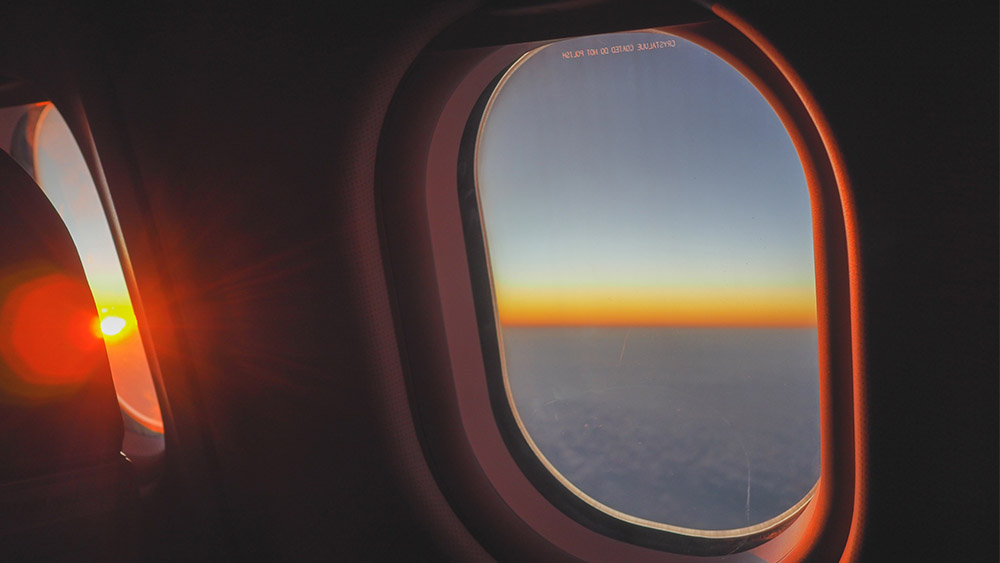
IMAGE: 123RF
The question every travelling Muslim asks: “Does my fast still count?”
One of the most common questions that comes up when travelling during Ramadan is surprisingly practical:
What happens if you’re fasting on a plane?
It sounds like the start of a bad joke, but it’s actually a real dilemma.
Imagine you take off from one country in the afternoon, cross multiple time zones, and suddenly the sun sets much later — or earlier — than expected. When exactly are you supposed to break your fast?
For many Muslims, the general rule is to follow the local sunset time of wherever you are physically located. If you’re on a plane, that can get slightly… philosophical.
Some travellers follow the sunset time of their departure city. Others break fast when they see the sun set from their airplane window (which, if you’re flying westward, might take a while). Airlines serving Muslim passengers sometimes even make announcements about local prayer times.
On my flight back to Singapore, it was an 8 hour journey, with a 5 hour time difference. Let’s just say the maths wasn’t maxing in my head. All I knew was that by the time I landed in Changi Airport, it would have been 9pm, a few hours after the actual iftar time. Luckily, we had a super helpful air stewardess who informed us of the timing while in the air.
It’s one of those moments where religion, geography and modern travel collide in oddly fascinating ways.
And if you’re wondering: yes, Islamic teachings do allow travellers to postpone fasting and make up the missed days later. But many Muslims still choose to fast while travelling if the journey isn’t too strenuous.
Partly out of habit. Partly out of stubbornness. And partly because if you’ve already survived the first half of the day, you might as well commit.
Ramadan doesn’t feel the same everywhere
Growing up in Singapore, Ramadan always felt like a balancing act between faith and everyday life.
Work continues as usual. Schools stay open. Office meetings still happen at 3pm, the most dangerous hour of the fasting day, when your brain starts fantasising about iced drinks and fried chicken.
You fast, but the city doesn’t slow down for you. That’s part of what makes Ramadan in Singapore unique. It’s deeply personal, yet quietly communal. You’ll see colleagues heading off for terawih prayers after work, or friends rearranging dinner plans so everyone can break fast together.
But the country itself keeps moving at the same speed.
Travelling during Ramadan can make you realise just how different that experience is elsewhere. In some places, Ramadan visibly shapes the pace of daily life. Work hours may be shortened. Restaurants close during daylight hours. Night markets and late-night gatherings become the main social events.
But it’s also worth noting that this varies widely between countries and cultures. Ramadan in Malaysia may feel different from Ramadan in Turkey, which may feel different again from Ramadan in parts of Europe. I had the privilege of performing my terawih prayers abroad in a Muslim country, and it felt beautiful being surrounded by people of different nationalities, but bonded by our shared faith.
There isn’t one universal “Ramadan atmosphere”.
What you do notice, though, is how easily your own habits adapt when the environment changes. When everyone around you is fasting, the shared experience becomes more visible. When you’re in a secular environment like Singapore, fasting becomes more internal — something you carry quietly through the day.
Neither is better or worse, I’d say. Just different.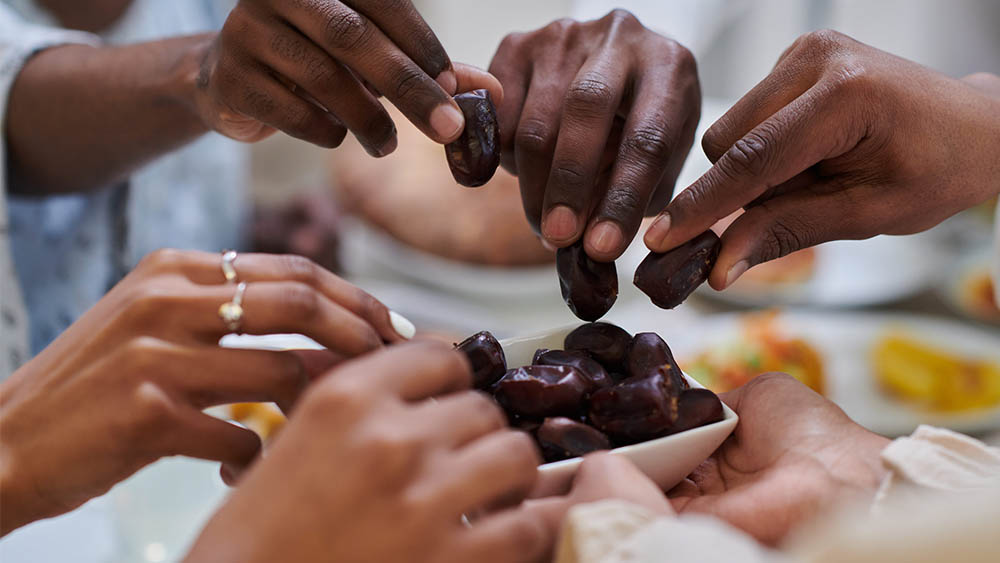
IMAGE: 123RF
The geography of hunger
Travel also introduces something else most people don’t think about: fasting hours.
Because Ramadan follows the lunar calendar, it shifts roughly 11 days earlier every year on the Gregorian calendar. That means the length of fasting hours changes depending on the season and where you are in the world.
In countries experiencing summer during Ramadan, such as parts of Northern Europe or Canada, daylight can stretch up to 18 or even 20 hours. Muslims fasting there may start before 3am and only break fast close to 10pm.
Meanwhile, in places closer to the equator like Singapore, fasting hours remain fairly consistent at around 13 hours.
On the flip side, Muslims in countries experiencing winter sometimes fast for much shorter periods because daylight hours are brief. The nights, however, can feel longer as prayers and gatherings stretch into the early morning.
For a traveller, this can feel like Ramadan suddenly operating under different rules. One moment you’re used to Singapore’s predictable rhythm of sahur and iftar. Next, you’re recalculating meal times because sunset happens much later than expected.
It’s like Ramadan is the same book but every country reads it at a slightly different pace.
Finding familiarity in small things
Despite these differences, there’s something comforting about how recognisable Ramadan still feels wherever you go, even if the dishes change.
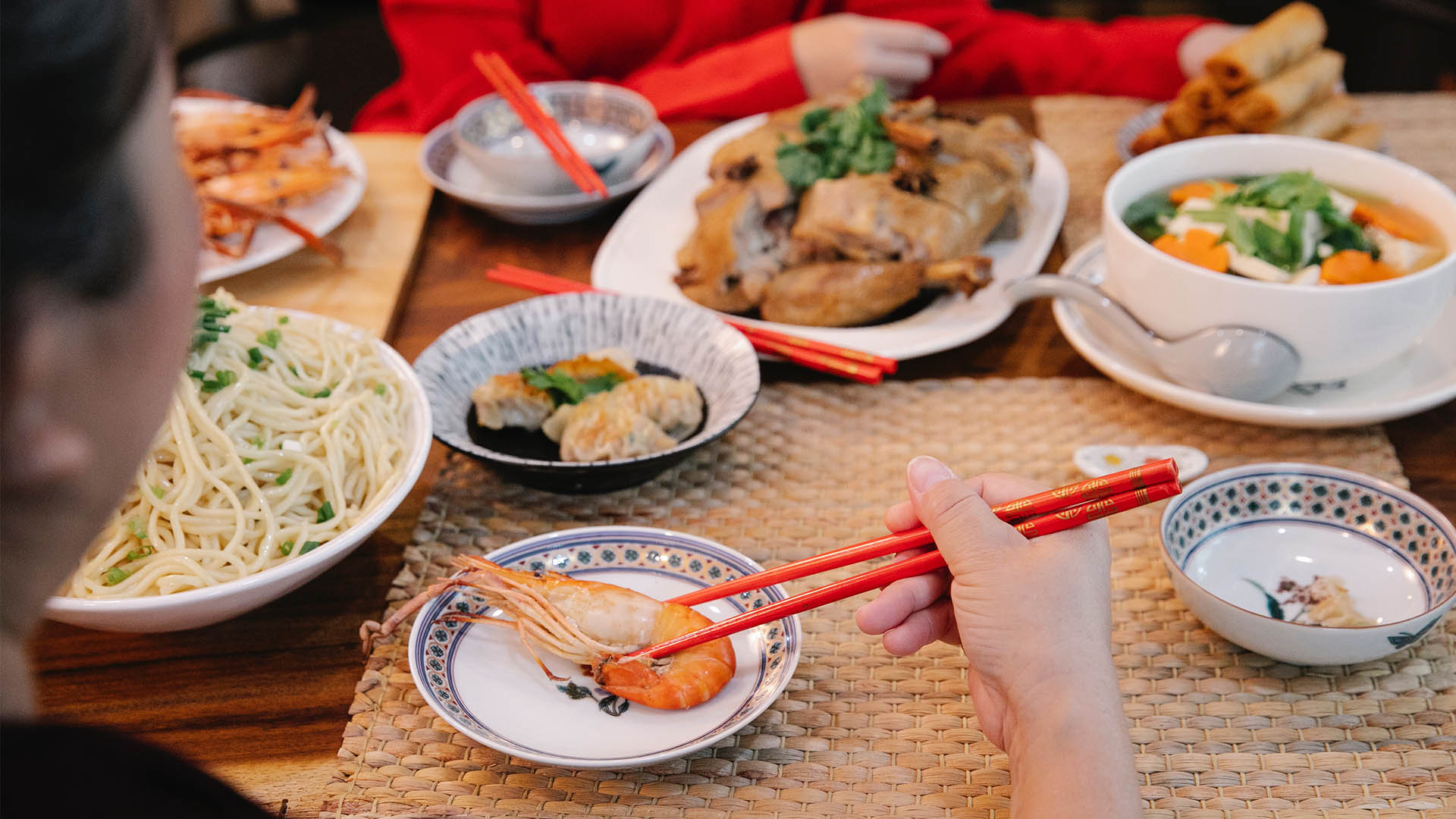
In Singapore, breaking fast might mean dates, curry puffs or a bowl of bubur (porridge). Elsewhere, it might be soup, bread or entirely different local specialties. But the spirit behind the meal stays remarkably consistent.
For Muslim travellers, that familiarity can feel comforting. Ramadan isn’t just about where you are geographically. It’s about the intention behind the fast.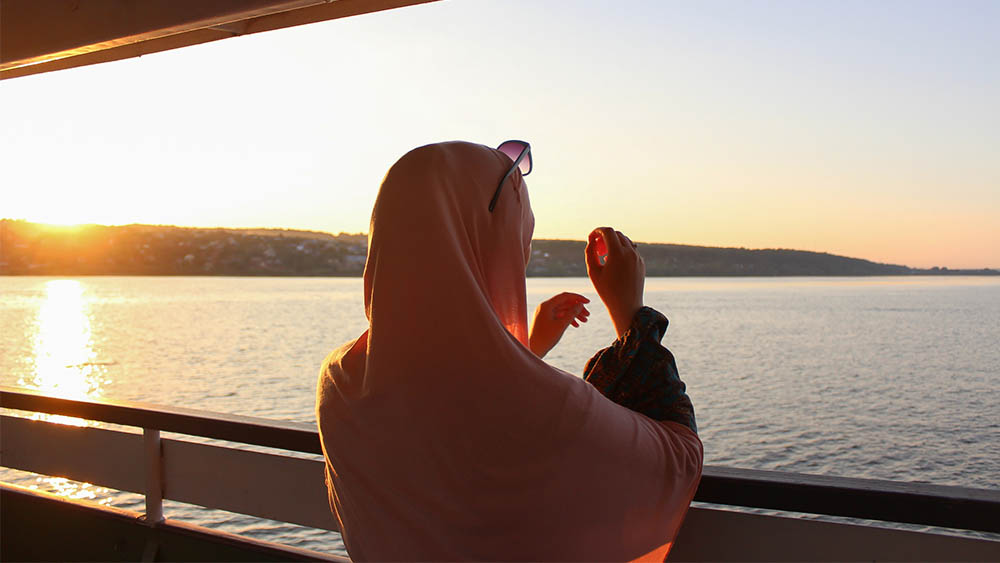
IMAGE: 123RF
A different way of seeing Ramadan
Travelling during Ramadan taught me something I didn’t expect.
At home, Ramadan often feels like a routine: wake up, fast, work, break fast, repeat. But when you’re travelling, the routine disappears. And suddenly the experience becomes more reflective.
You notice things you might normally overlook; how sunset feels in a different city, how prayer spaces appear in unexpected places, how strangers share the same quiet hunger during the day. Sometimes, even at 35,000 feet on an airplane. And you realise Ramadan isn’t tied to a single country, culture or schedule.
For non-Muslims reading this and wondering whether fasting while travelling is “allowed”, the short answer is it depends. Islam gives travellers flexibility. You can postpone fasting and make it up later if the journey is difficult. But many Muslims still fast if they’re able to. Not because they have to, but because Ramadan is as much about intention and discipline as it is about the physical fast.
And TBH, once you’ve already skipped lunch, you’re halfway there anyway.
Ramadan, wherever you are
Ramadan looks different depending on where you experience it.
In Singapore, it fits quietly within a secular, fast-moving city. In other countries, it may shape the rhythm of the entire society. But the core of Ramadan stays the same: reflection, restraint and gratitude, whether you’re fasting at home, in another city, or somewhere above the clouds.
And sometimes, that shift in perspective is its own small reminder of how universal the experience really is. I feel really blessed to have experience Ramadan in another country and I wish those who are fasting glad tidings for the rest of the month.
For the latest updates on Wonderwall.sg, be sure to follow us on TikTok, Telegram, Instagram, and Facebook. If you have a story idea for us, email us at [email protected].