


Hear Me Out: Singaporeans Should Pay More For Hawker Food
People always lament when a hawker stall closes in Singapore. We’re losing our heritage, they say. Someone should do something about it.
Yet, as shown by a colleague who forwarded a comment, people also say $19 for beef ragu “hawker pasta” is too much. If that were served in a restaurant, the price would be fine – but not at the hawker centre.
I mean, they’re entitled to their opinion, but you know what? I'm entitled to mine, and I say the mindset is wrong.
We should be paying more than what we currently do for hawker food.
I know there are Singaporeans for whom a $1 increase matters, and affordable food options must remain available. I’m not arguing otherwise.
But for those of us who can comfortably pay $20 for cafe brunch or $10 for a ceremonial-grade matcha latte, why does a $1 increase at the hawker centre feel outrageous?
The cost of hawker food has changed. Our expectations haven't
When hawker centres came about in the late 1960s and early 1970s, hawkers had a few things going in their favour. The stalls weren't expensive to set up since they were basic. So, the overheads were manageable.
Also, with government-appointed operators, the rents were controlled or even subsidised.
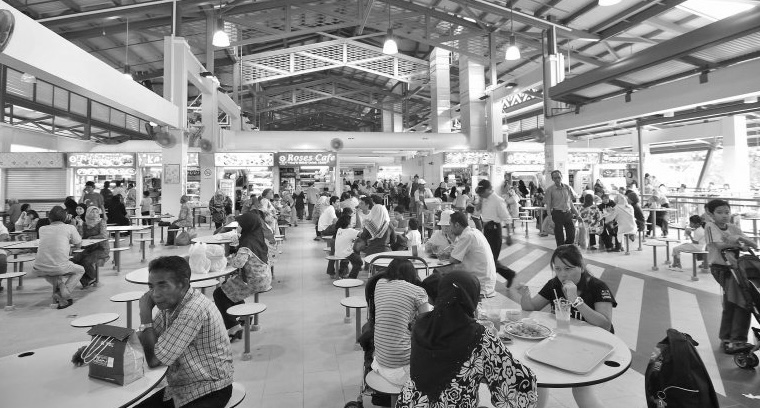
Our modern hawker centres had their roots in the 1960s and 1970s | IMAGE: NATIONAL HERITAGE BOARD
With the projected high customer volume, hawkers expected to make a living wage even though they had to keep prices low.
That's how it started. How it’s going now… well, it’s different.
The cost of things has gone up quite a bit in the last 61 years: food ingredients, utilities, rentals, and wage expectations – all of that has risen.
It's difficult for hawkers to have multi-income streams. So, to mitigate their cash flow, they have to raise prices.
When that happens, we all scream blue murder (that’s a Gen X phrase – learn something today). But if you think about it, our kopi-o kosong now costs $1.30 instead of $1 five years ago. That’s a massive increase of – gasp! – six cents per year!
So even though we’re firmly in the 21st century, why do we still think hawker food should be kept at 20th century prices?
Rising costs are only half the problem. The other half is what we think hawker food ought to cost. Why do people think paying $19 for beef ragu pasta in a restaurant is okay, but when you put that same dish in a hawker centre, that price seems expensive?
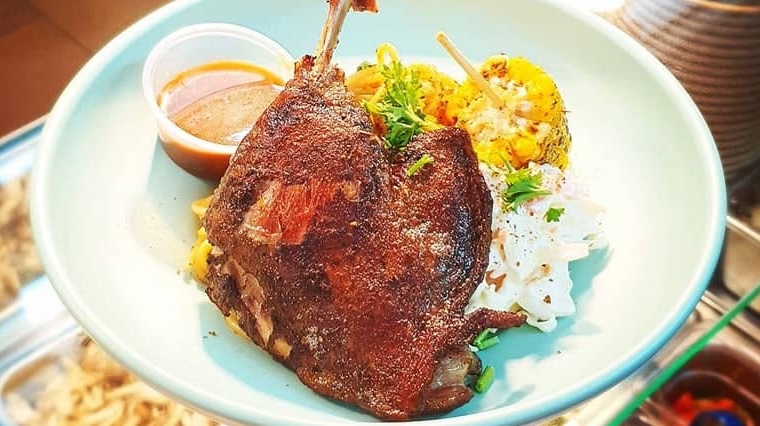
Duck confit from Eddy's at Hong Lim Complex. Guess how much it costs? | IMAGE: EDDY'S FACEBOOK
Must cheapness be an essential part of the hawker experience?
Perhaps it's just our societal expectations. After all, prices have been kept low for so long; any increase will raise eyebrows.
Or maybe it's because of the lack of prestige when it comes to hawker food. We think hawker food is considered "basic", and so it has to be cheap.
That’s understandable. We tend to equate quality with pricing and branding, and let's face it, hawker branding pales in comparison to any restaurant. (This also applies to the mall food court or any "kopitiam"-style eatery.)
We've made low prices part of what authentic hawker food is "supposed" to be.
Do Singaporeans undervalue hawker skills?
I recently met an elderly woman who runs a food stall selling home-cooked Malay food. She's closing her stall at the end of the year because she's "too tired, too old".
While she says her children are "quite good" at cooking, they aren't keen to take over the stall because they think customers "don't respect" hawkers.
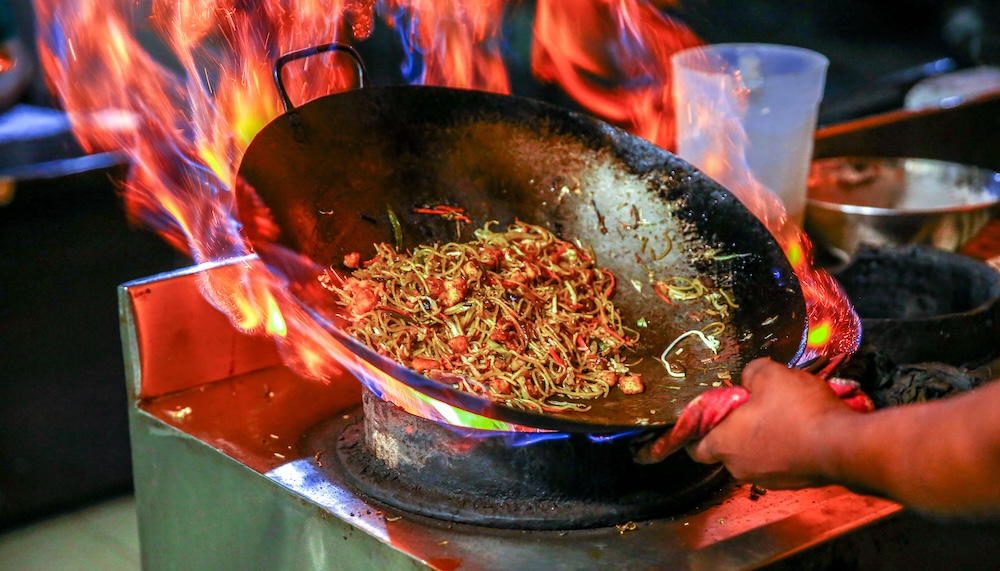 A hawker doing the toss to get wok hei. | IMAGE: PEXELS
By that, she meant people think hawkers are second-rate cooks, and we don’t prize their cooking skills in the same way we prize other forms of culinary craftsmanship.
For example, good wok hei requires a particular set of skills to achieve.
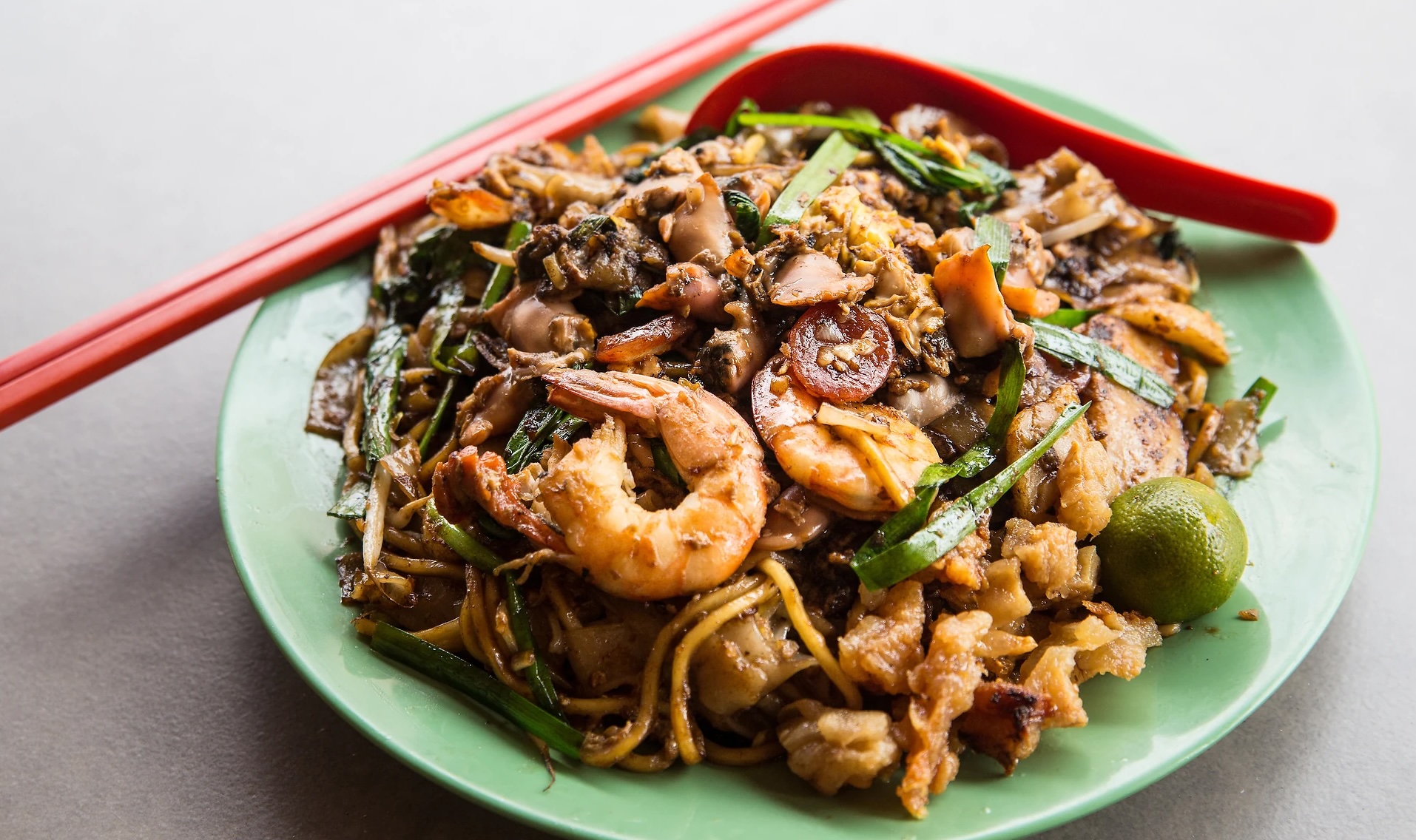
Yet I'd say we still consider what a char kway teow hawker – who may have spent years mastering wok hei – serves as “cheap”.
I can imagine the reactions if that hawker raises the base price for a plate of his char kway teow to $6 a plate. (Yet, Singaporeans happily pay $15 for mala.)
What does that tell you about how Singaporeans value our hawkers' work?
Personally, I would rank a good hawker alongside a good Le Cordon Bleu chef. (And yes, I'm willing to die on that hill.)
They both cook food differently, sure, but if there's one thing "Food Wars" has taught me, it's that a well-put-together hawker dish can elicit the same reaction as any equivalent dish from restaurants.
Singapore's hawker culture won't survive on praise alone
This lack of support for hawkers, coupled with the public perception of hawker food, is a big shame. I fear that if we don't do something about it, we’re going to lose our hawker culture – the very bedrock of our culinary claim to fame.
I believe hawker centres are perfect symbols of our multicultural society. It's Singapore, in all its delicious variants, conveniently located in one spot.
That’s what got us on the UNESCO Representative List of the Intangible Cultural Heritage of Humanity we like to mention every so often. And that's why we all should step up and pay hawkers their due.
If hawking doesn’t offer a decent livelihood, fewer people in the next generation will choose it.
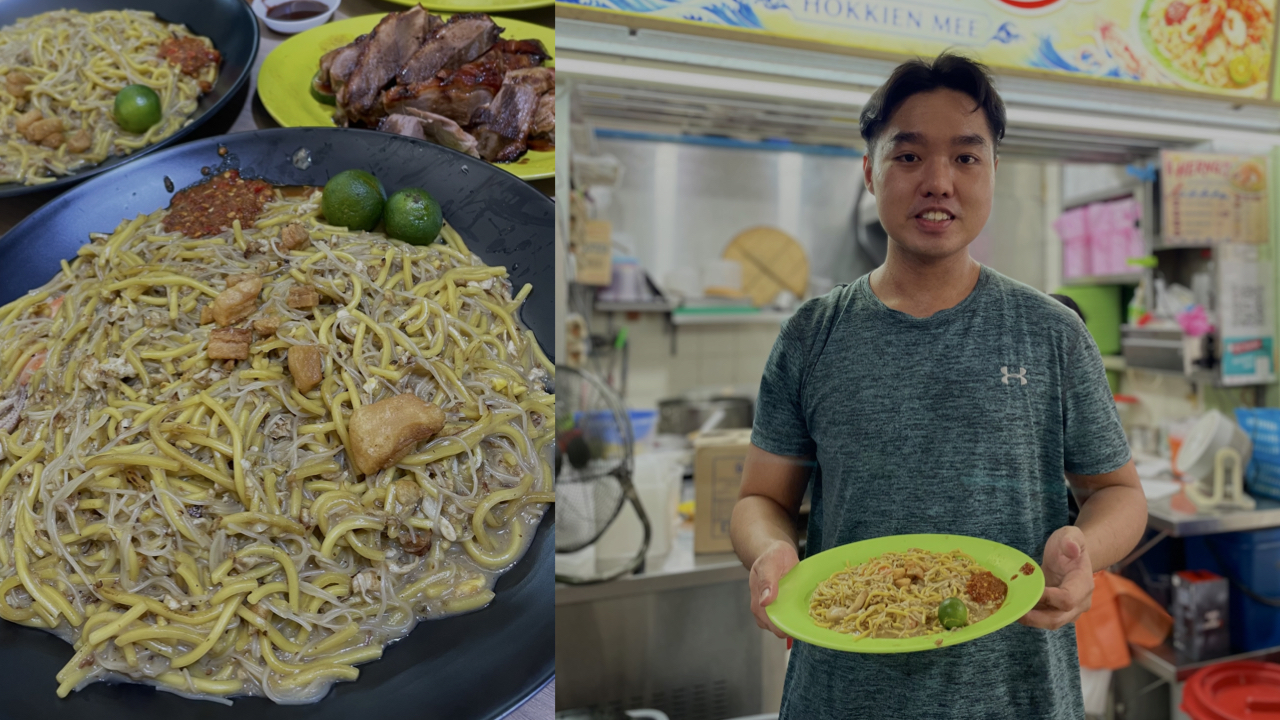 Jing Herng of Herng 好吃 is a young hawker serving customers at Toa Payoh's Lorong 8 hawker centre. | IMAGE: JUSTIN CHEONG
If fewer young people want to take over these stalls, the heritage we keep saying we want to preserve becomes harder to hold on to.
I’m not complaining that I can get a decent meal (including a drink) for under $6, but I’m tired of hearing people lament every time another prized hawker stall closes shop. (And we’ve seen quite a few closures in recent years.)
Unless we, collectively, as a nation, are willing to place more value on, and therefore pay more for, hawker food, the future will look bleak for our hawkers.
If we lose our UNESCO heritage status, don't complain.
Just let this once-rich hawker culture slip into the mists of time, like so much of our other heritage that we cannot get back.
For the latest updates on Wonderwall.sg, be sure to follow us on TikTok, Telegram, Instagram, and Facebook. If you have a story idea for us, email us at [email protected].