




Caning, Character, And The Death Star: Will The New School Rules Actually Work?
It’s taken me some time to get to this because, frankly, when I first heard the news, I thought it was a satirical piece – the kind of thing one expects to see on The Onion.
Wrong. This is very real. Unless you’ve been living under a rock, you’d know by now that the online community has been abuzz since 15 April regarding the Ministry of Education’s (MOE’s) new mandate on how to “manage student conduct, including bullying”.
From Onion-worthy to official mandate
In summary: If you’re student and you commit a “serious offence”, you face punitive measures including detention and/or suspension, a poor conduct grade, and potentially caning (for male students only; females are spared the rod).
Schools currently have some leeway in handling such cases, but the new mandate aims to ensure greater consistency across the board. We’re talking about offences such as bullying, cheating, gambling, vaping, fighting and drug abuse.
Some have called these measures “draconian”; others say it’s “about time”. Some cite research claiming corporal punishment causes psychological harm; others question the gender disparity (“why only males students?”); and some – and you know who you are – didn’t actually know what they were talking about, but still hit the “enter” button in the comments section anyway.
Be that as it may, it certainly made people sit up and take notice. It’s clear the Ministry, educators, parents, and students who have been affected by students committing serious offences, are taking such measures very seriously indeed.

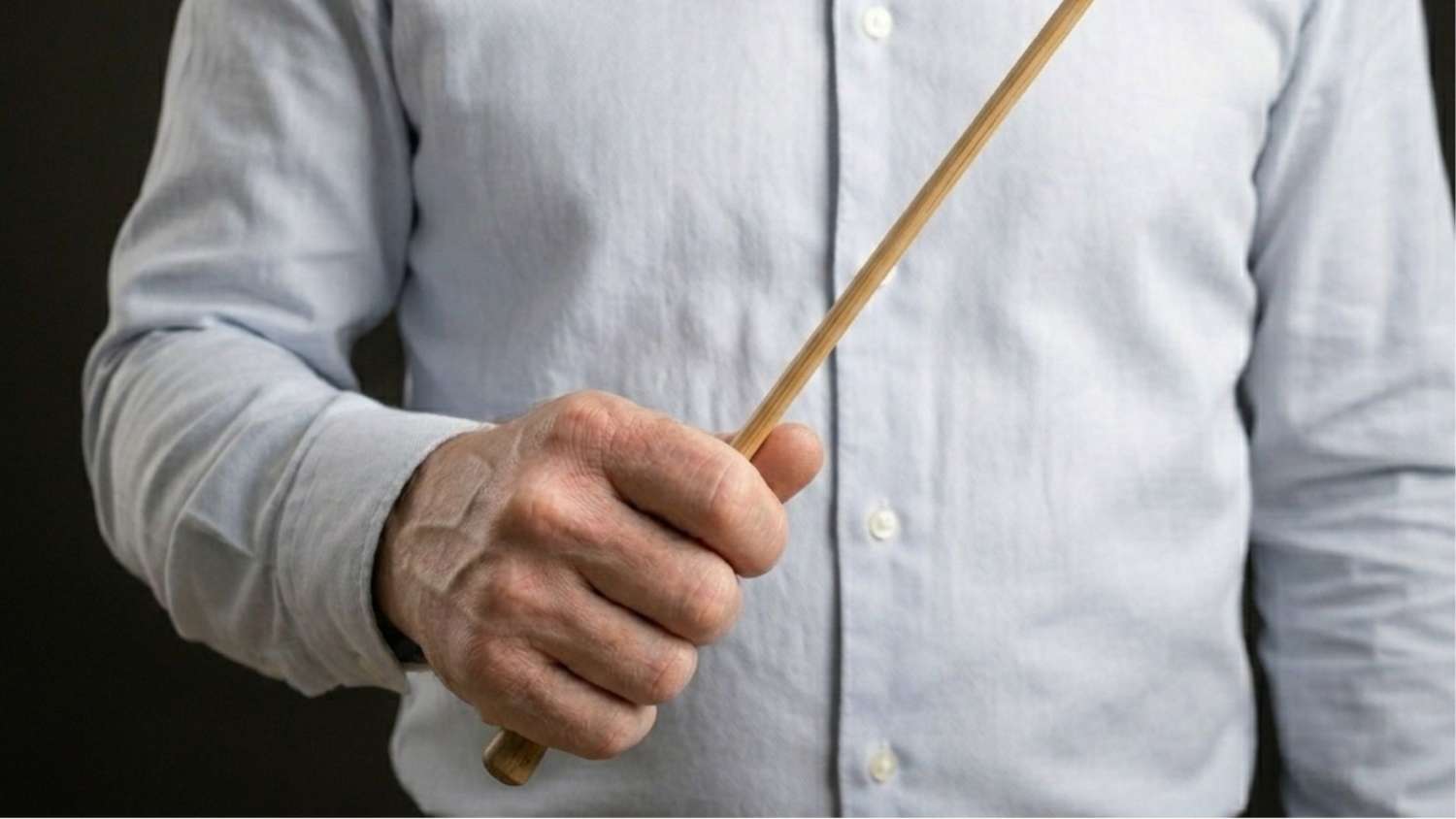
IMAGE: WIKIMEDIA COMMONS
Why we’re so worked up over the cane
After some digging, it’s clear the main point of contention is the caning.
As a form of corporal punishment in Singapore schools, caning is already legally permitted under Regulation 88 of the Education (Schools) Regulations. It is intended as an educative and disciplinary measure for serious offences committed by male students, to be used only when other corrective actions have been exhausted.
It is usually paired with counselling sessions and is intended to serve as a deterrent for further student offences. And it’s not just anybody who can administer this punishment: it must be carried out by the principal or someone assigned under his express authority. A range of 1 to 3 strokes of a light cane may be given on the palms or on the buttocks over clothing.
Previously, schools adopted a tiered approach to discipline based on severity, ranging from reflection for minor cases to detention, suspension or caning for more serious offences. In severe cases, police reports may be filed.
The new guidelines, which must be implemented by 2027, formalise this for all schools, applying it not just to bullying but to misconduct such as theft and vandalism.
Reports imply that the rise in bullying cases is one reason why these measures were mandated. MOE noted that bullying cases have been on the rise since 2019, with an average of three cases per 1,000 primary school students and eight per 1,000 secondary school students between 2021 to 2025.
Using the 2024 enrolment numbers as a guide, that means for primary schools with enrolment at 237,966, there were 714 cases in total. For secondary schools, that total would be 471 cases (157,082 enrolment).
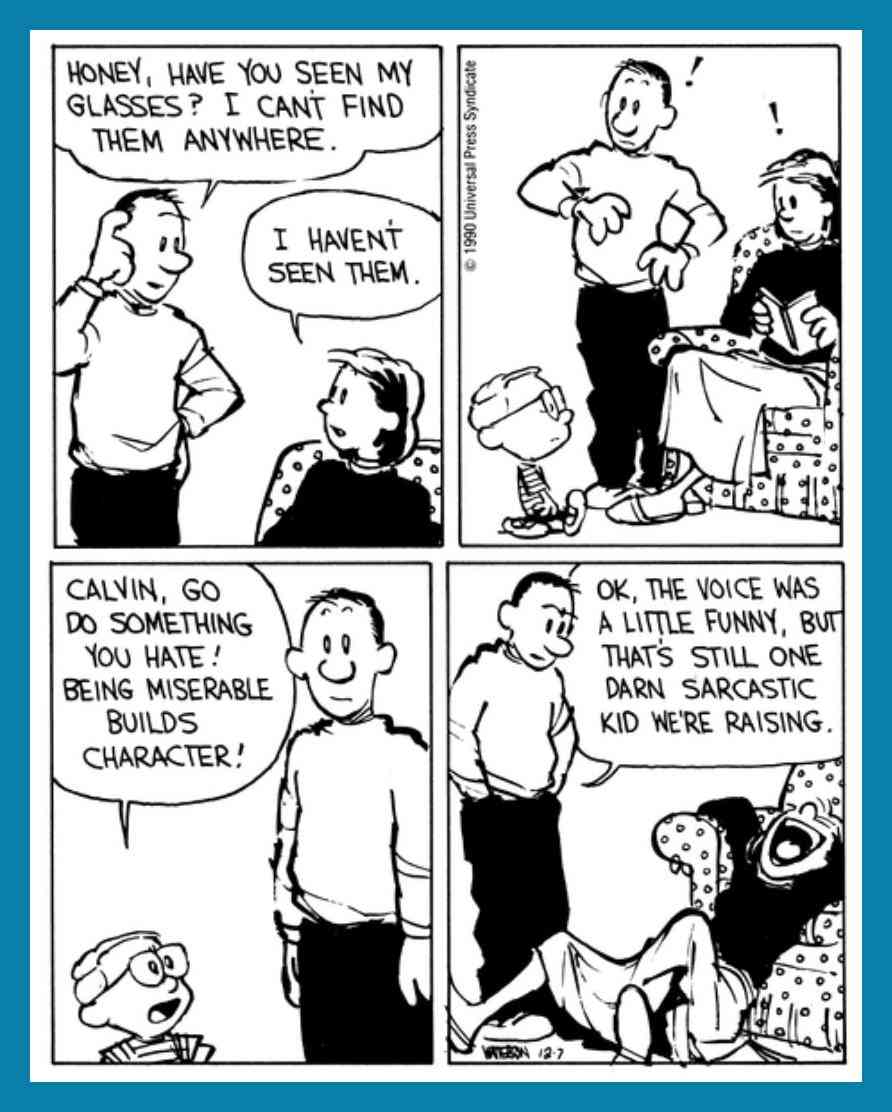 IMAGE: FACEBOOK
Flashback to the “Death Star” classroom
I suspect the core philosophy is, as Calvin’s dad would say, “character building”. But can it actually work? The answer is: Yes. And No.
There is no way a standardised system of doing things will benefit everyone. Some kids are, well, just inherently difficult, am I right?
But TBH I was a little taken aback that caning would be specifically mandated. (No, I wasn’t concerned for my two boys, they’ve aged out.) I’d always thought corporal punishment in schools had been phased out.
When I was in secondary school, physical punishment was common. Teachers would whack students’ hands in class with a ruler if they didn’t do their homework. I recall my disciplinary master caning boys during assembly for truancy. One teacher threw the chalkboard duster at a boy who was being a nuisance in class. Another boy was locked in the classroom cupboard until the end of the lesson after the teacher deemed that since he wasn’t interested in paying attention to what was being taught, he didn’t need to sit at his desk.
Did these measures scare me into submission during class? Of course! I felt like one of those officers in that Death Star meeting room looking on when Darth Vader found Admiral Motti’s lack of faith in the Force “disturbing”. I made sure I was never perceived as “disturbing” anything.
And if caning in school wasn’t enough, my mum once caned me so hard, I couldn’t sit down for three days. Funny how some memories just stick while I can’t even remember what I had for lunch yesterday.
But that was in the 20th century.
 IMAGE: UNSPLASH
The bottom line: Can we actually solve this?
I’d thought that in the woke 21st century – an era focused on avoiding psychological trauma and protecting our “strawberry” generation – the idea of sparing the rod was welcomed. We were told to explain the “why” to the child; that hitting creates more problems than it solves.
So, you can understand why I thought children growing up in the 2000s would be attending reflection classes instead of detention classes – so as to achieve happiness, prosperity and progress for the future.
But I was wrong. Schools have been using caning all along. As recently as 2024, male students from the Singapore Sports School who created and shared deepfake nude photos of their female classmates were subjected to disciplinary actions, including caning.
Was that the right move? Possibly, I haven’t heard of those boys repeating the offence.
The big question remains: Will these new measures work? We can debate this until the cows come home. The reality is that previous “softer” measures – such as anti-scamming campaigns or warnings about drug trafficking – often fail to deter those determined to break the rules or they can game the system.
If the reflection/detention sessions don’t stop a bully/thief/vandal/druggie, maybe a harsher intervention is required.
That said, I don’t believe in the “silver bullets”. People are complex, and a one-size-fits-all tactic rarely works for everyone. But with advocates and remonstrators already drawing lines in the sand, there’s only one way to find out.
Let’s check back in five years, shall we?
For the latest updates on Wonderwall.sg, be sure to follow us on TikTok, Telegram, Instagram, and Facebook. If you have a story idea for us, email us at [email protected].