





Two Households, One IC - When The Family SOP Needs A Rewrite
I had a fortnight to work out how my elderly aunt would manage without her domestic helper, Mya, for three weeks. Possibly longer. Mya's father was very ill in Myanmar, so she wanted to go home and see him.
My aunt lives separately from us, with only Mya. Their usually peaceful household suddenly needed a replacement care arrangement, and I was the person who had to organise it.
Meanwhile, my own household relied on me to remain operational. Hey, responsibilities don't queue politely.
My parents are also elderly. I’m single, I work from home, I drive and I'm the most only tech-savvy person in our household. That makes me the default decision-maker.
My portfolio includes Dad's sports subscriptions and barber trips, Mum's iPad and K-drama logins, subscription bills, and my parents' doctor visits and medications. I accompany them to every appointment, too.
I also help look after my aunt's household, medical appointments and medications.
Two departments, one IC. Neither department has approved additional headcount.
I thought about this while reading The Straits Times’ report about a greater proportion of full-time national servicemen (NSFs) taking leadership responsibilities as cohorts shrink.
The Singapore Armed Forces is adapting through smaller, technologically enabled units operating in a more distributed manner. Defence Minister Chan Chun Sing emphasised that commanders need to understand capabilities beyond their own units and services, then bring them together at the right time, for the right purpose.
The stakes in the households I oversee are different, of course, but the coordination point resonated. I could use apps, make digital payments and drive. None of those abilities, individually, answered the question: who would care for my aunt?
 Behind an elderly loved one's ordinary day can be quite an extraordinary amount of coordination. | IMAGE: 123RF
When the usual arrangement needs replacing
Mya's request set several things in motion. I bought her a $250 ticket from Singapore to Yangon. But complications involving her passport meant the proposed return required travelling overland to Thailand, then flying from Bangkok.
I paid $1,000 for a recruiter to escort her on that journey. Even then, her return remained uncertain.
Meanwhile, I contacted caregiving platform Homage and began making replacement care arrangements costing about $10,000.
This was proving considerably more complicated than logging Mum back into Viu.
I needed to consider Mya's wish to see her father, the uncertainty of her journey and my aunt's care needs. My parents' needs and my work commitments hadn't disappeared either.
Technology helped me contact people and arrange things, but I still had to work out which services could cover what, how the timings fit together and what might happen if the plan changed. (Turns out, it always does.)
There was no complete picture, just decisions that couldn't wait for one.
Then, new information arrived: Mya's father improved. Her parents urged her not to return to Myanmar because they considered the journey too dangerous.
TL;DR – she stayed in Singapore. I didn't need to engage Homage. The recruiter's hefty fee was refunded. The air ticket became a $250 souvenir of a journey nobody took. After the emotional roller coaster, I could totally live with that.
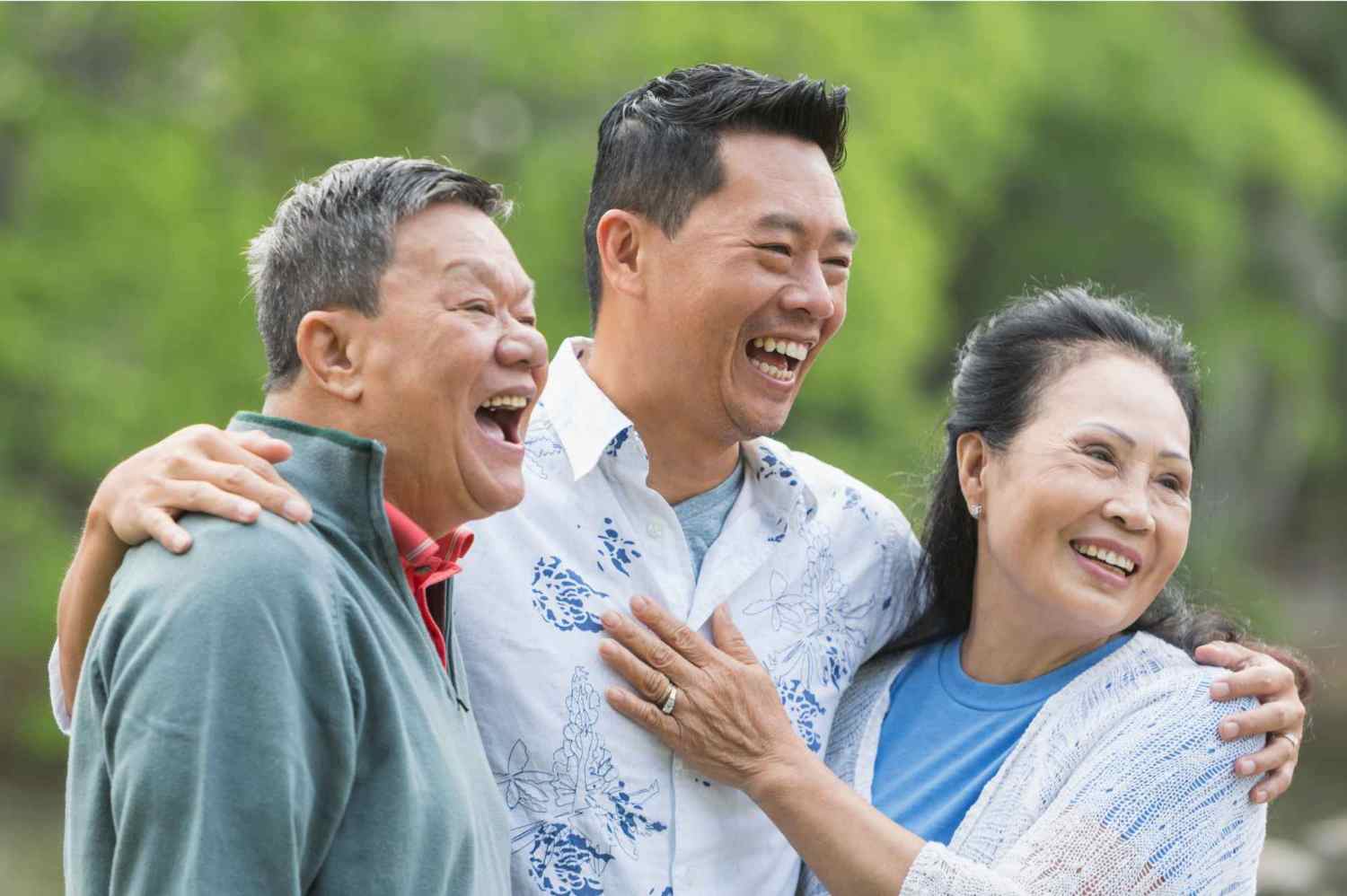 The people who once organised my days now depend on me to help organise theirs. The family arrangements are a work in progress. | IMAGE: CANVA
The family SOP needs updating too
I'm learning that plans for family care can change quickly. That's why the Defence Minister's remarks stayed with me: SOPs shouldn't be treated as "standard operating procedures" (an established way of doing things) but as “standing operational procedures” instead: the best approach for now, subject to change.
I can see the application across my two departments.
My aunt's usual care arrangement worked, until circumstances required an alternative. I made decisions using the information available, then changed course when that information changed.
At home, the adjustments are often smaller (thank God!): fitting parents' appointments around work, keeping track of medication, restoring access to fictional Korean lives.
Looking twice at these responsibilities, I can see the coordination hidden beneath "helping the family". Each household has its own needs. I have to understand both, find support where necessary and keep revising the arrangements.
Some days, being IC means having a plan. Other days, it means cancelling the plan and being very grateful you can.
For the latest updates on Wonderwall.sg, be sure to follow us on TikTok, Telegram, Instagram, and Facebook. If you have a story idea for us, email us at [email protected].