




Postpartum Mental Health As A First-Time Mum: What Helped Me And What Made It Worse
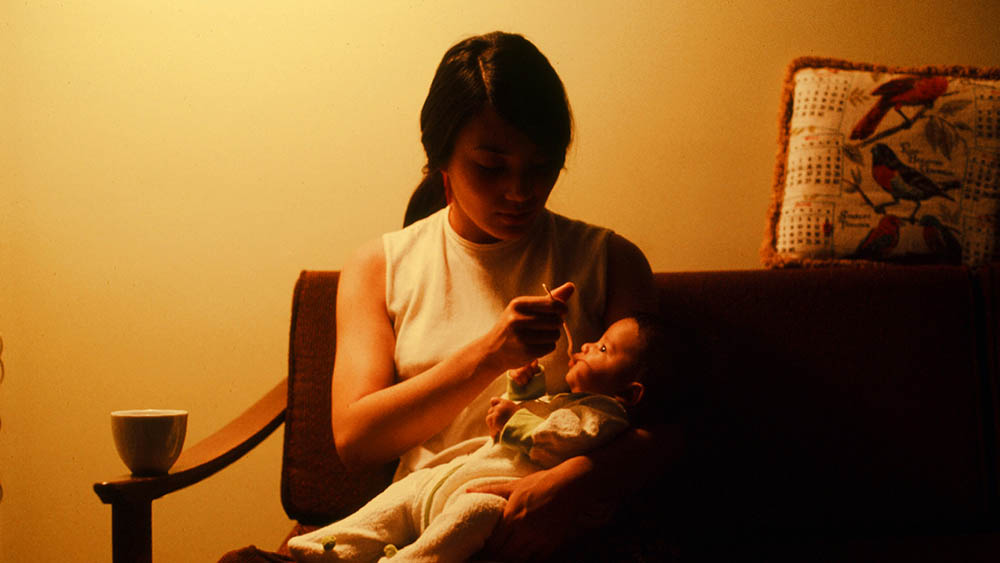
The first 12 weeks after I gave birth were among the toughest of my life — which is why I think it's important to talk about postpartum mental health for first-time mums.
At work, I'm used to dividing tasks into what's urgent and what's important. But what no one told me about the first few weeks postpartum is that everything feels like both. A baby wailing for milk feels urgent and important. Poop flowing out of a diaper feels urgent and important. Recovering from childbirth, learning to breastfeed and controlling the flow of visitors all feel urgent and important.
I had heard about postpartum anxiety and depression. But it was only after becoming a parent that I realised how easily a new mum's mental health can take a back seat to needs that feel more tangible and pressing. The more I dismissed my own needs, the harder it became to feel joyful about parenting — or to give my best to my child.
Looking back, some things genuinely helped: accepting support, setting boundaries, spending time with friends and talking honestly to my husband. Others — including constant comparison, weighing myself every day and doomscrolling — made an already difficult period worse.
As a first-time parent, there were many things I could've done better. There were also helpful habits I'd return to if I had another baby.
Here are the best and worst things I did for my postpartum mental health.
What helped my postpartum mental health
Leaving the baby at home while I spent time with friends
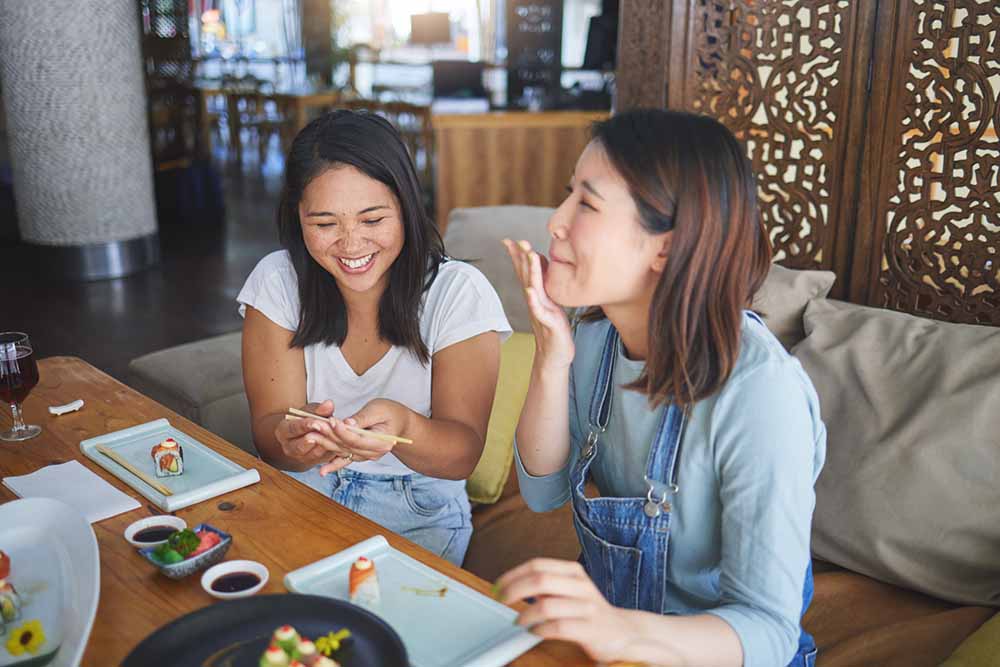 IMAGE: 123RF
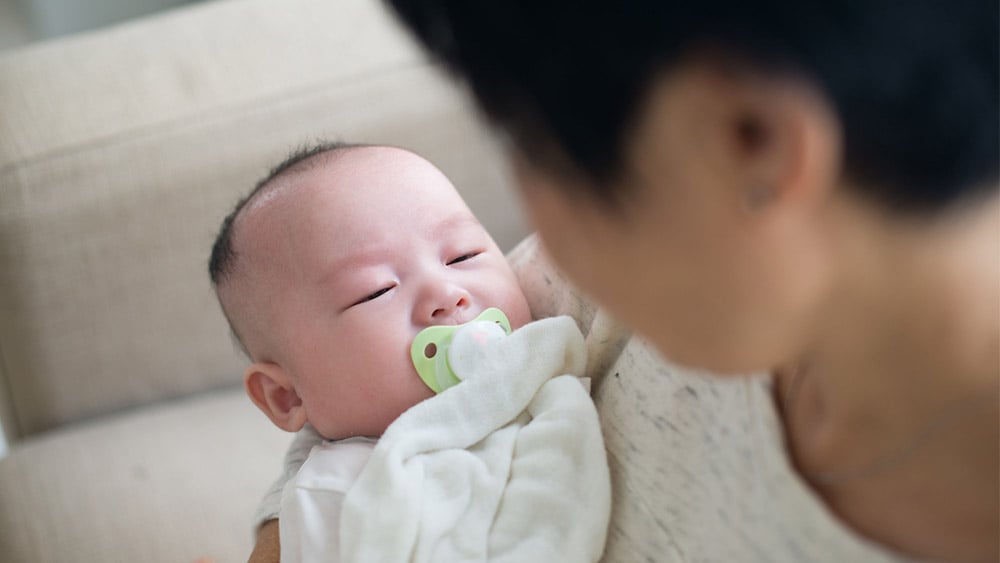
As much as I love being a mum, being on “mum mode” 24/7 is exhausting, lonely, and can set you up for an identity crisis. Whenever I started to wonder who I was aside from being a mum, I'd call for reinforcements at home and arrange a date — usually with another mum friend who could understand! — minus my kiddo.
Being able to talk to another adult while drinking my coffee in peace gave me the respite I needed to return home, refreshed and ready to set aside my "me time" to be a mum.
Accepting help from family and caregivers
During my first few days at home, all I wanted to do was to bond with my newborn, so whenever well-meaning family members or my domestic helper swooped in to relieve me, I'd get a little territorial.
Who gave you permission to take my baby out of her car seat? Who asked you to pick her up when she cries? The intervention of others also wounded my pride — were they helping because they thought I was an incompetent mum?
But I soon learnt that my capacity has limits. Once my confinement nanny left, I started to appreciate the privilege of having a village I could call upon so that I could get some rest, and in turn, have a little more bandwidth and energy for my baby.
This included accepting my mother-in-law's offers to babysit for an afternoon and asking my domestic helper to watch the baby so that I could shower in peace (I tried doing it without her help for two weeks, and let's just say there were several days where I missed my morning shower simply because I couldn't let the baby out of my sight).
Muting mummy group chats whenever they triggered comparison
As useful as the mummy WhatsApp chats are for finding Shopee vouchers or honest reviews of post-natal masseuses, the barrage of information made me question everything I was doing. In the chats, mummies constantly ask each other how long their babies nap, how much weight their babies are gaining, and how much breast milk they're pumping.
Every time I opened the chat, I'd feel a tightness in my chest. Everyone else's baby is drinking 750 ml a day, but mine is only drinking 600 ml. Is that okay? I'd ask myself. The chat group says their paediatrician advised them to feed their jaundiced babies formula. But the polyclinic doctor told us to keep feeding her breast milk. Should I get a second opinion?
Matters such as how early babies should sleep through the night also invited comparison. I told myself that comparing babies against each other doesn't make sense. No two adults have identical sleeping patterns, so why should I benchmark my baby against all these other babies, whose ages, temperaments, and feeding habits differ from mine? But the constant comparisons still bugged me, so I decided to protect my peace and stop checking the chats altogether.
Maybe I don't know how my baby, my recovery, or my breastfeeding habits compare to others, but as the saying goes, ignorance is bliss.
Making time to decompress every day
Speaking of "me time", a fellow mum friend told me I should take a little bit of time every day just to breathe — and that showering, using the toilet, and doing chores solo don't count.
I know it may sound impossible or even wrong to ask for some leisure time when you're keeping a small human alive, but the need for rest is hardwired into our bodies.
This can look like anything from journaling, to exercising, to even taking a nap (and no, “sleep when the baby sleeps” doesn't count either — anyone who's tried this would know it's impossible to fully relax when you're on standby for the baby to wake up).
By asking someone else to take over for at least 20 to 30 minutes at a time every day, I was able to calm myself down, gather my thoughts, and approach the next part of the day with some fuel in my tank.
Setting boundaries with postpartum visitors (especially relatives and family)
Dealing with the demands of a newborn when you're in a great deal of physical discomfort is hard enough without having to deal with outsiders. Which is why I'm glad I insisted we limit visitors aside from our parents for the first three weeks postpartum.
It's why I also decided to remove myself from the room if I couldn't deal with people's negative comments. There's only so much I can do to stop people from making comments like “don't carry your baby so much” or “if you think it's bad now, wait till they can walk and talk.”
I told my husband that if I couldn't deal with their negativity, I'd have to excuse myself. And speaking of talking to my husband….
Talking honestly with my husband about what I needed
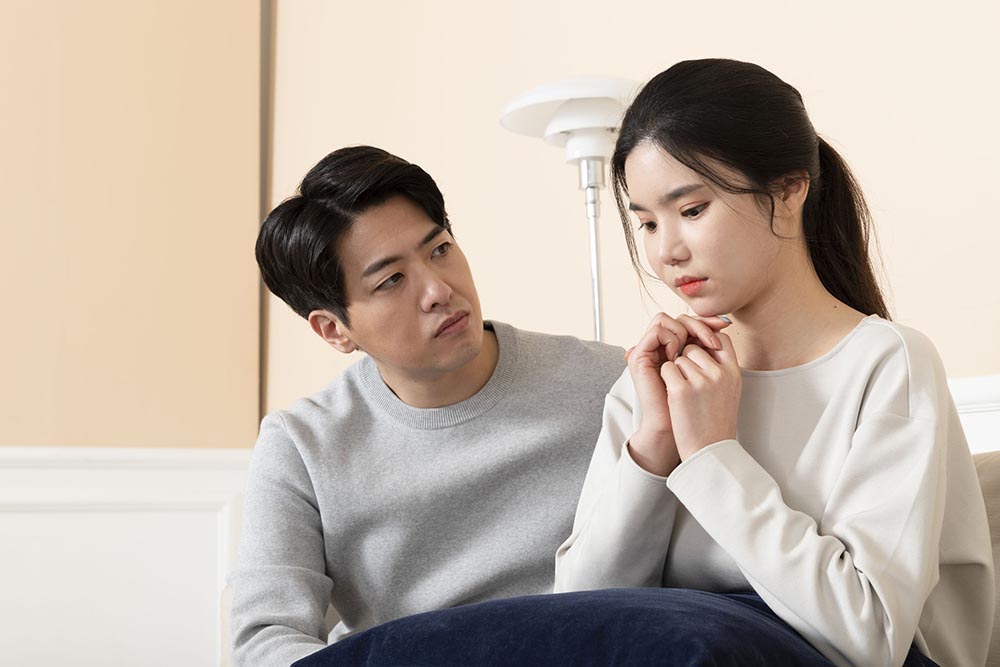 IMAGE: 123RF
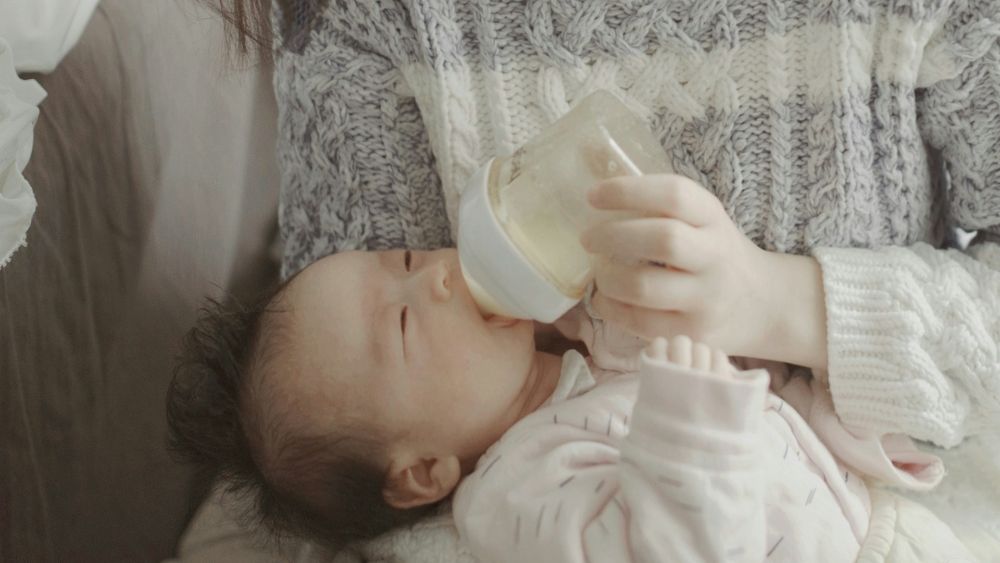
By far the best thing I did for my mental health was to nip resentment in the bud. Once my husband's paternity leave ended, I couldn't help feeling a little annoyed that he got to enjoy a 9am to 7pm break from the baby every day while I'd go 12 hours covered in body fluids and milk.
We both contributed to the conception of this child, so why did I have to bear the full biological responsibility while he got to progress in his career and partake in his hobbies?
Early on in our postpartum journey, I decided to tell my husband whenever I was feeling overwhelmed. Never mind if I came across as naggy or needy — I needed someone to look out for me and the baby if my mental health started to spiral.
I was surprised and touched by how much my husband stepped up once I communicated to him what I needed: while I was still in charge of feeding the baby, he bore the load of bathing her, changing diapers, or waking up with her at night.
What made my postpartum mental health worse
Weighing myself every day after giving birth
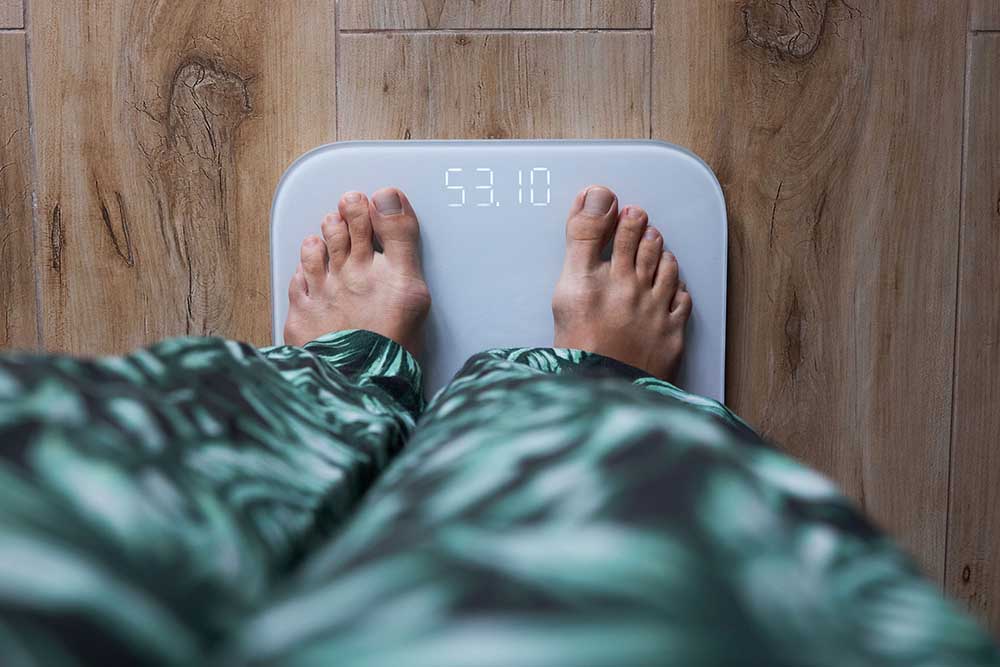 IMAGE: 123RF
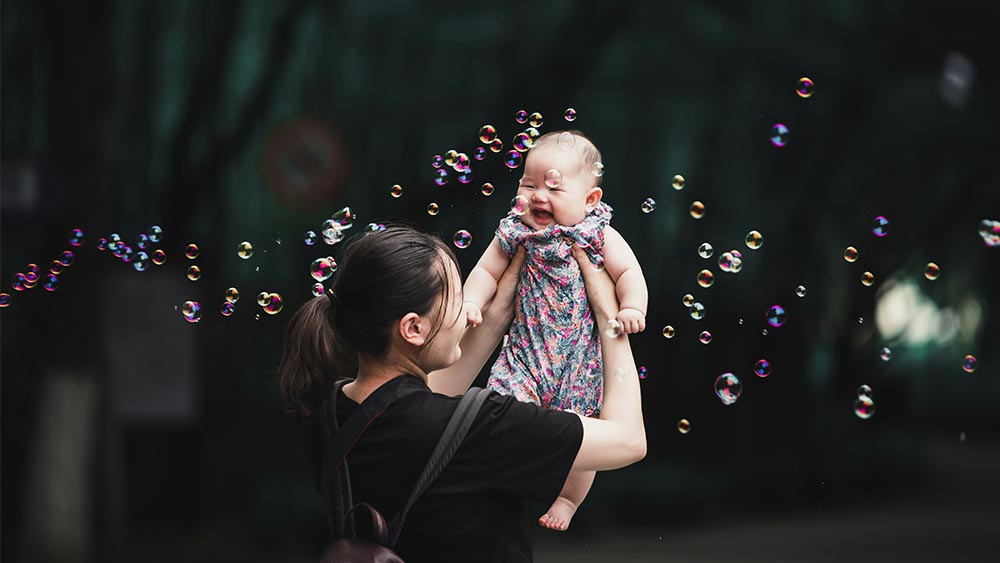
Whoever said that the weight will just fall off after you breastfeed was lying. While this may be true for some women, others will gain weight because of the amount of extra calories needed to maintain your supply of breast milk.
When friends told me they'd lose 1 to 2 kilograms a week, I began weighing myself, only to get frustrated when my weight plateaued about 5 kilograms away from my pre-pregnancy weight.
No two bodies are alike, so if you're in the same boat as me, know that your body's doing its best to keep you and the baby healthy. If this means holding on to some calories so that you can recover or, if you're breastfeeding, so that you have enough energy to feed your little one, then instead of punishing your body for “holding on to the fat”, thank it for all the work it does to calibrate what you need!
Staying indoors for weeks at a time
One of the biggest mistakes I made during my early days postpartum was staying indoors all the time. While traditional confinement rules ask that we avoid going outside for a month, the benefits are well-documented. Exercise helps stimulate our serotonin, seeing greenery reduces our anxiety, and getting some sun helps regulate our sleep cycles.
I knew all that, and yet, I stayed indoors for weeks at a time, going out only to bring my baby to her mandatory appointments at the polyclinic. It wasn't because I was determined to stick to the confinement rules, but because I felt too ugly, tired, and listless to go outside.
That only made things worse. As anyone who's experienced the 2020 Circuit Breaker would know, being indoors too much can make you feel “stuck” in a cycle of boredom and negativity, which I was already vulnerable to as a hormonal new mum.
I've since learnt my lesson and now go outside at least once a day, even if it's just 10 minutes at a coffee shop. As a bonus, I get a lot of cute smiles from friendly and uncles and aunties when I bring baby with me!
Doomscrolling and comparing myself to other parents on social media
I'll never forget the night when my TikTok algorithm decided it'd be a great time to show me content about SIDS (Sudden Infant Death Syndrome).
I lingered a little too long out of curiosity, so of course the algorithm decided to send me more. I soon began losing sleep over fear that my little one wouldn't wake up. If it happened to all these mums I saw on TikTok, why wouldn't it happen to me?
Refreshing my Instagram didn't help either, as I was constantly bombarded with posts by “breastfeeding influencers” flexing their supply. I felt so pressured to keep up that I accidentally created an oversupply, which in turn led to many expensive health issues, and which of course did a number on my mental health.
If I were to do it again, I'd stop checking social media and even delete it entirely while waiting for the hormones to settle down. TikTok and Instagram might know my consumption habits, but my real-life friends who know I am and what I need, so I'd consult them instead when I need help.
Trying to follow baby sleep and feeding methods to the letter
IMAGE: UNSPLASH
If I could go back in time, I'd remind postpartum me that babies (and mothers!) aren't robots. There isn't one sleep hack that will get them to sleep more, nor is there one dietary plan that will increase the supply of breast milk.
There's no “tried-and-tested” method to ensure that my child makes all her milestones or learns to play independently. If someone claims there is, they're just selling something.
By becoming so fixated on methods, I set myself up for disappointment when they didn't work or when they stopped working. I also put way too much pressure on myself to make the baby sleep, nap, and eat at set timings and for set amounts, which of course led to frustration when her patterns varied.
I've since learnt to be flexible and give myself and baby space to change and grow. At the end of the day, it's more sustainable for me to read her cues and respond accordingly, than it is for me to expect her to conform to “expert methods” that don't take into account my child's unique needs and circumstances.
My final piece of advice? Embrace the chaos, stay kind to yourself, and remember: each journey is special in its own way.
Where to find postpartum mental health support in Singapore:
There's no shame in seeking professional help. Whether you need immediate emotional support, ongoing counselling, or specialist postnatal care, here are some places you can contact:
- National mindline 1771: Call 1771 for free, confidential mental health support, available 24/7. You can also WhatsApp 6669 1771 or use the webchat at mindline.sg.
- Samaritans of Singapore: Call 1767 or WhatsApp CareText at 9151 1767 for 24-hour emotional support if you are in distress or experiencing suicidal thoughts.
- KKH Women's Mental Wellness Service: Call 6294 4050 to make an appointment with a specialist supporting women during pregnancy and after childbirth. You can also email [email protected] for information about getting help for postnatal depression.
- NUH Women's Emotional Health Service: Call 6772 2037 or email [email protected] for emotional assessment and support during pregnancy and the first postnatal year. Available Monday to Friday, 8.30am–5pm, excluding public holidays.
- AWARE Women's Helpline: Call 1800 777 5555, Monday to Friday, 10am–6pm, excluding public holidays.
- Singapore Association for Mental Health: Call 1800 283 7019, Monday to Friday, 9am–6pm, excluding public holidays, for mental health information or to arrange counselling.
- Alliance Counselling: Call 6466 8120 to enquire about private pre- and postnatal therapy. Administrative staff are available Monday to Saturday, 9am–5pm.
If you believe that you or your baby are in immediate danger, call 995 or go to the nearest hospital emergency department
For the latest updates on Wonderwall.sg, be sure to follow us on TikTok, Telegram, Instagram, and Facebook. If you have a story idea for us, email us at [email protected].