

From Two Borrowed Cessnas To F-35s: 58 Years Of The RSAF, In A Nutshell
If you think the Republic of Singapore Air Force (RSAF) has always been about roaring fighter jets, NDP aerial displays that slay, and impossibly cool aircraft, here’s a plot twist: Singapore’s air force started with two borrowed Cessnas from the Republic of Singapore Flying Club.
On 1 Sep 1968, the Singapore Air Defence Command (SADC) was formed even while Singapore scrambled to build up its own air defence capability ahead of the British military withdrawal from the region.
And the starting point was, um, pretty humble.
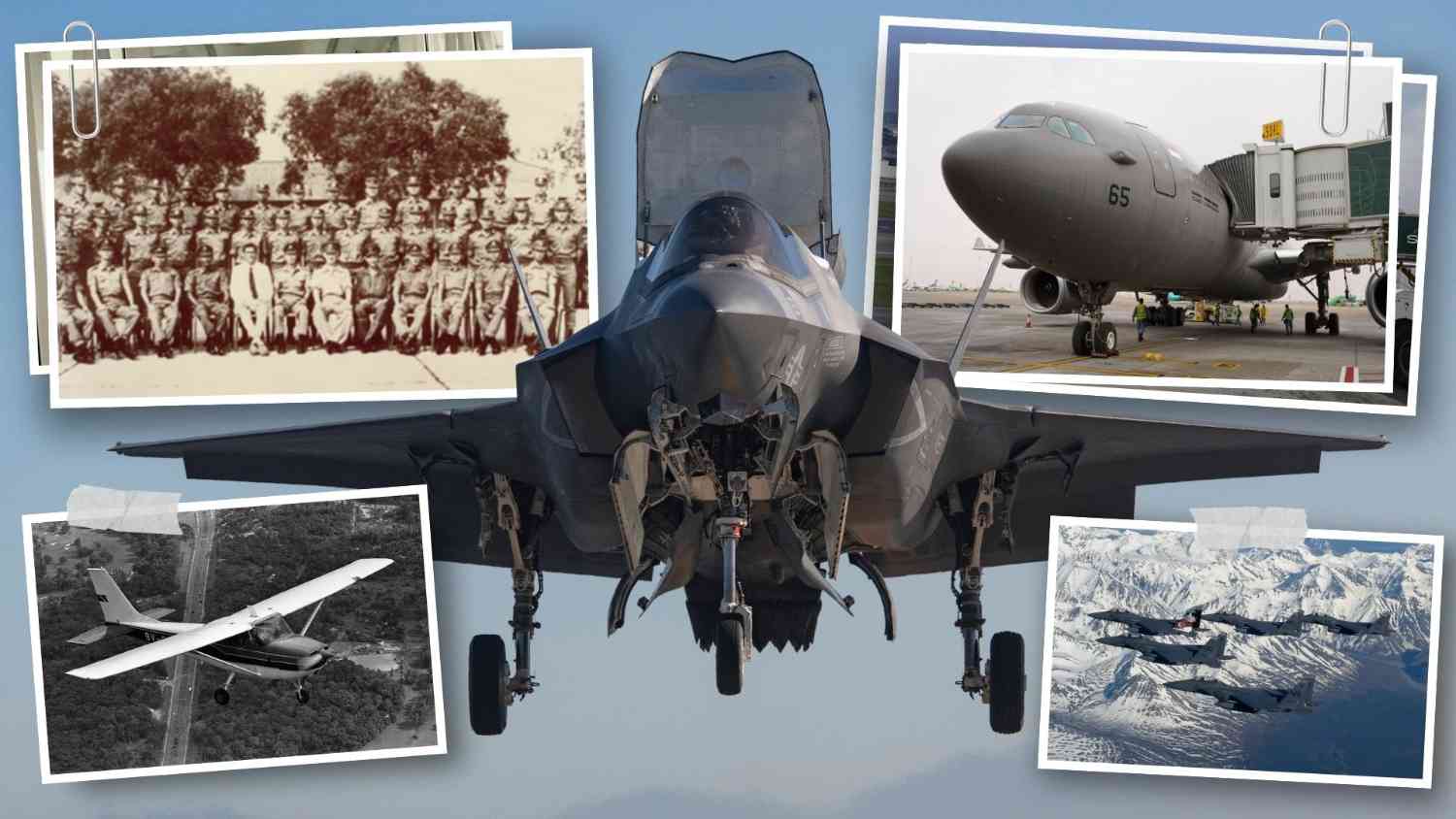
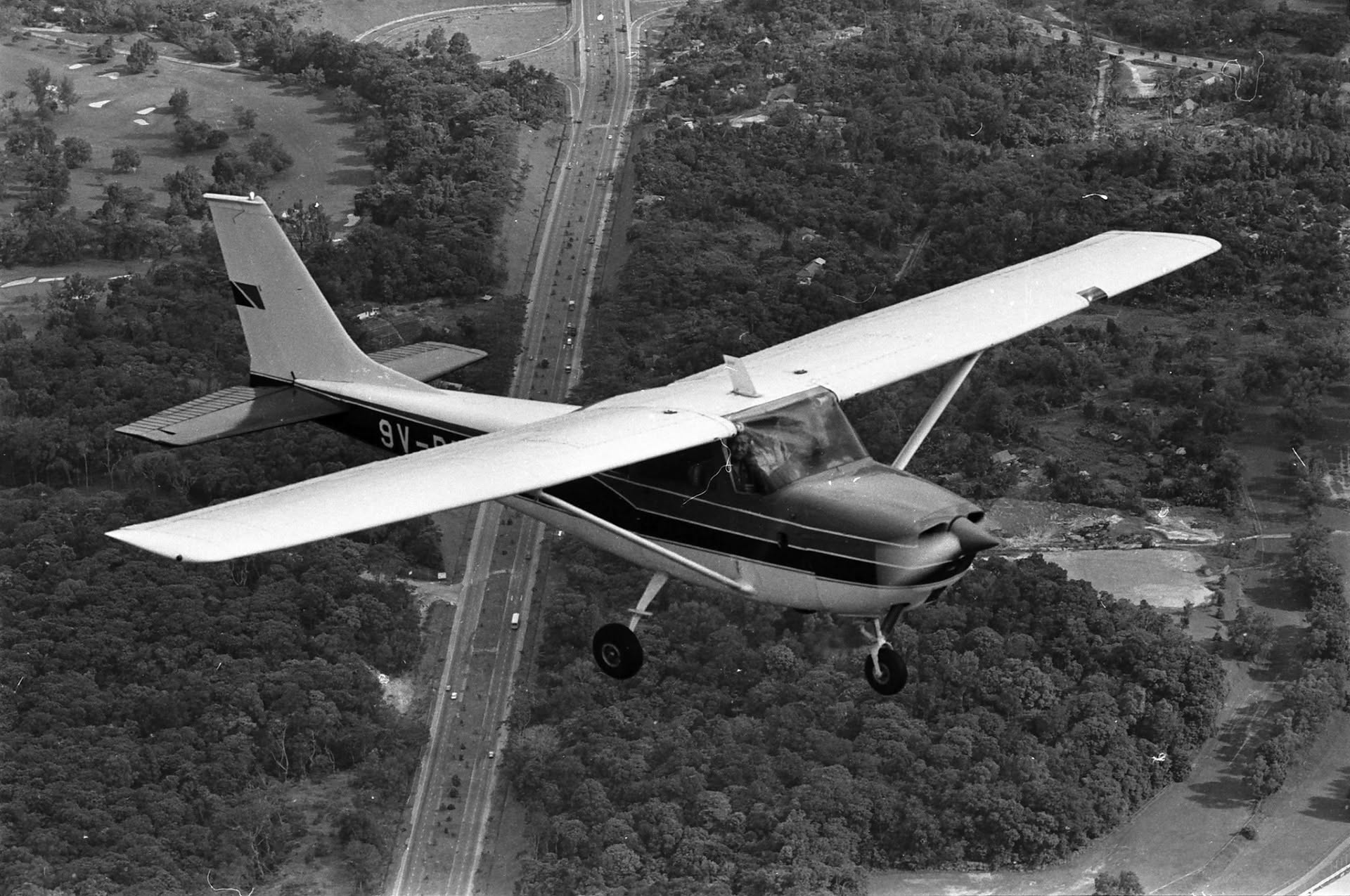 The Singapore Air Defence Command (the precursor of the RSAF) began with two of these Cessna 172s borrowed from the Republic of Singapore Flying Club. | IMAGE: FACEBOOK/@DEFENCEPIONEERSG
Then-Prime Minister Lee Kuan Yew summed up the challenge rather bluntly in 1968: “An Air Force or Navy did not constitute a force if there were not the people with the expertise.”
The message was clear: having aircraft was one thing. Having people who knew how to fly, maintain, control and fight with them was another.
Defence Minister Dr Goh Keng Swee had already made the case for building up Singapore’s own technical capabilities, saying in 1967 that the country needed to prioritise “technical competence of local personnel” so that it could become “self-reliant in a crucial field.”
It was a rather ambitious project for a tiny newly independent country. But Singapore got moving.
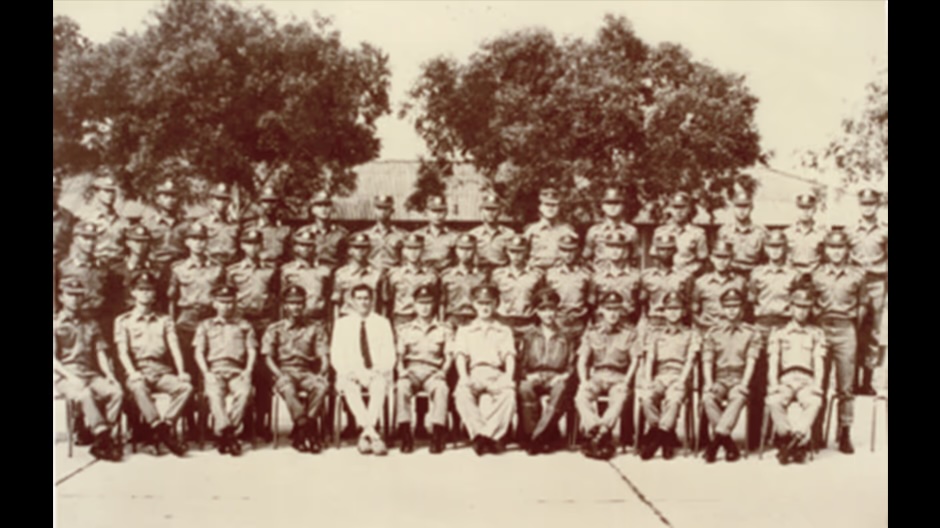 The SADC was set up with the formation of the SAF Flying Platoon, whose members included British advisers. | IMAGE: RSAF.GOV.SG
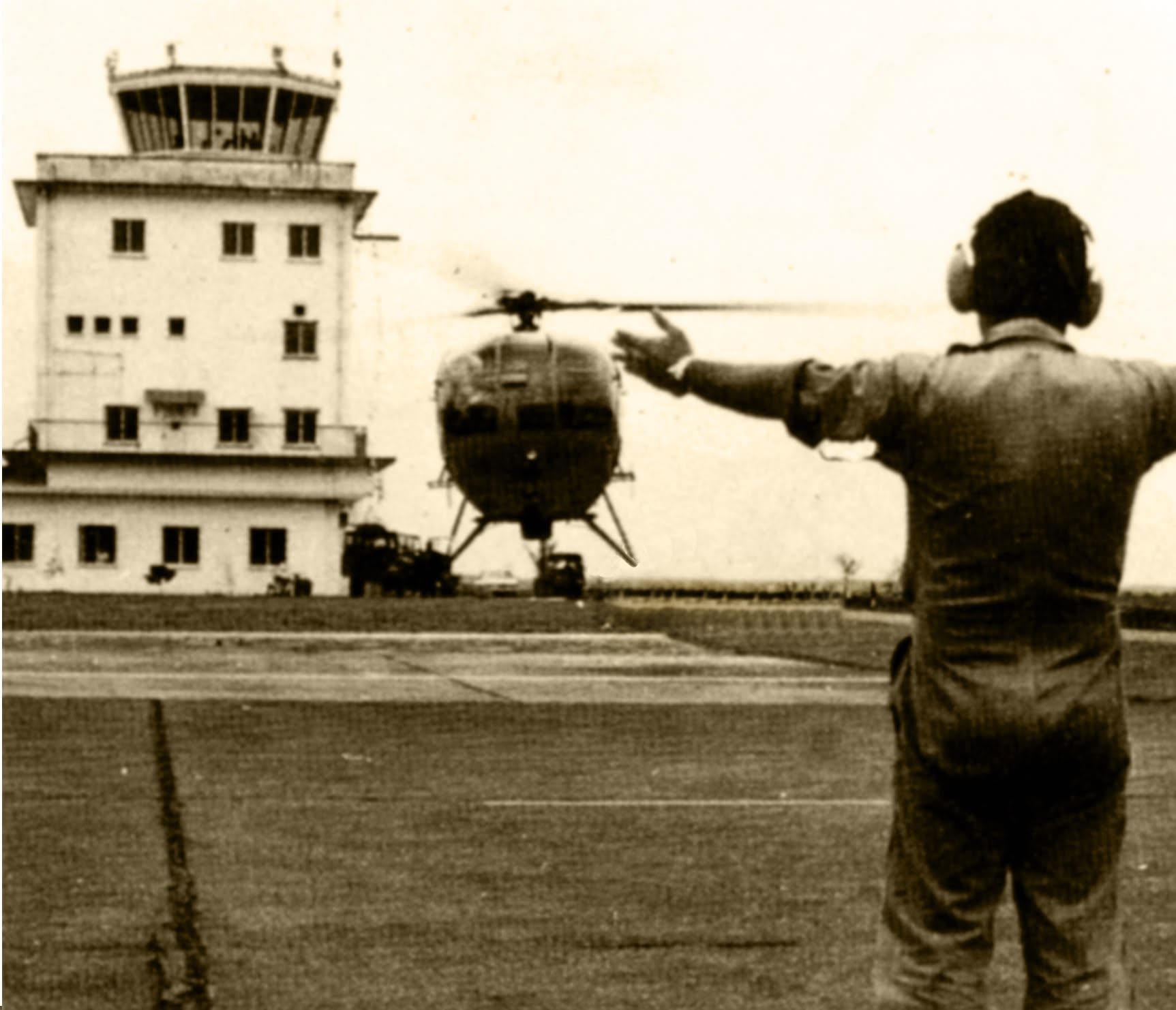 An Alouette III arriving at Seletar Airbase in 1969. | IMAGE: FACEBOOK/@THERSAF
The fledgling SADC bought eight Cessna 172K training aircraft in 1968. The first helicopter squadron, 120 Squadron, followed in 1969 with Alouette III helicopters, while 140 Squadron became the first fighter squadron in 1970, operating the Hawker Hunter, the SADC’s first fighter aircraft.
By 1971, the SADC had taken over full operational control of Tengah, Changi and Sembawang Air Bases from the British. And in April 1975, the SADC was officially renamed the Republic of Singapore Air Force.
From there, things escalated pretty quickly. The RSAF entered the supersonic era with the F-5 fighter jets in 1979. It began participating in Exercise Red Flag in the US in 1982 and Exercise Pitch Black in Australia in 1990 (see below) – exercises that remain part of its overseas training today.
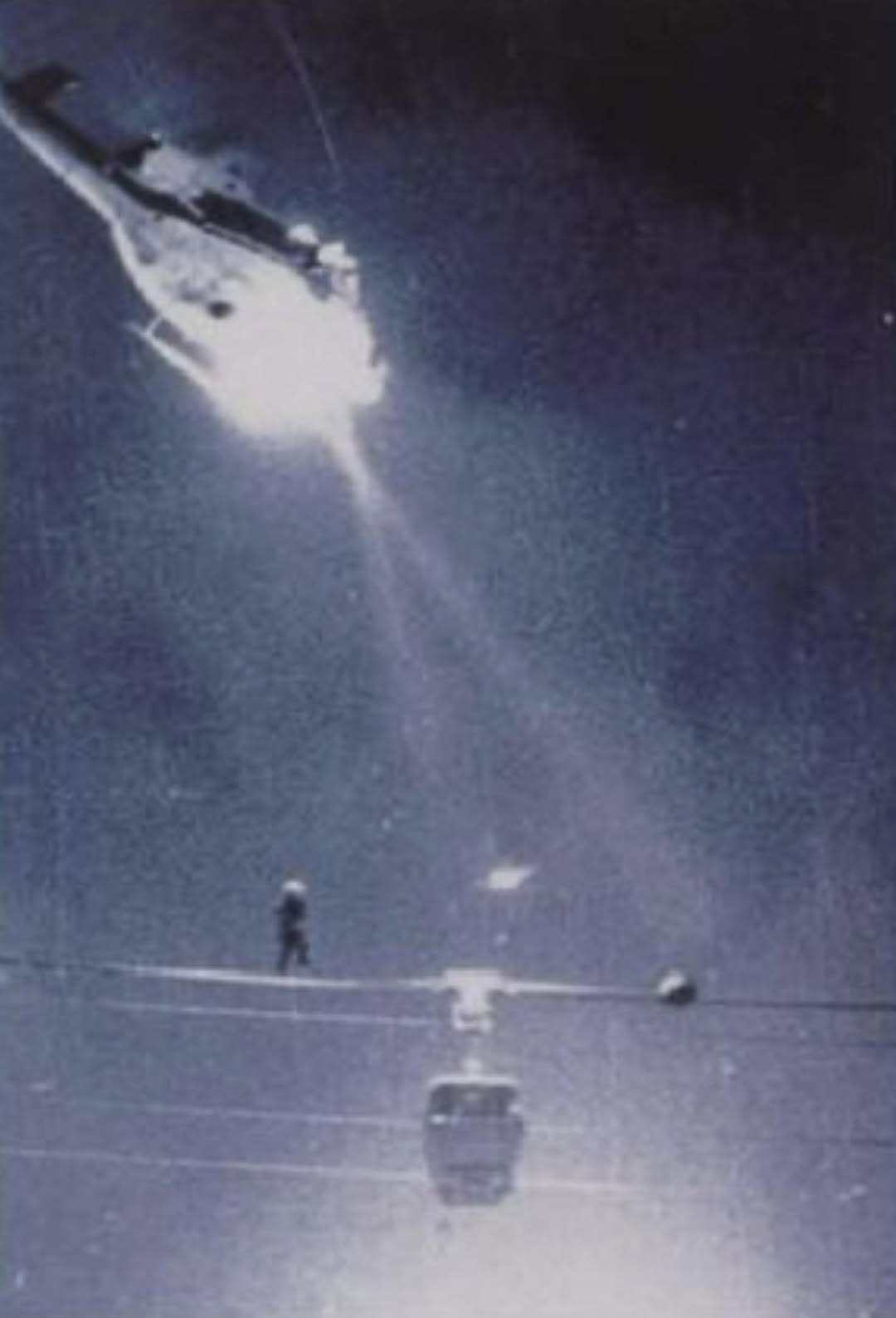 An RSAF Bell 212 helicopter from 120 Squadron involved in a cable car rescue operation in 1983. | IMAGE: FACEBOOK/HERITAGE SG MEMORIES
It also wasn’t just about combat. In 1971, SADC helicopters were deployed for flood relief in Kuantan, Malaysia. In 1983, RSAF helicopters were involved in the rescue of passengers stranded after the Sentosa cable-car disaster. Over the decades, its aircraft have also been deployed for disaster relief, search-and-locate missions, evacuations and humanitarian operations around the world.
That evolution has continued.
The RSAF went from borrowed Cessnas and second-hand fighters to operating F-15SGs, F-16s, A330 Multi-Role Tanker Transports, G550-Airborne Early Warning aircraft, C-130 Hercules transport aircraft, Apache attack helicopters, Chinooks, unmanned aerial vehicles and sophisticated ground-based air-defence systems.
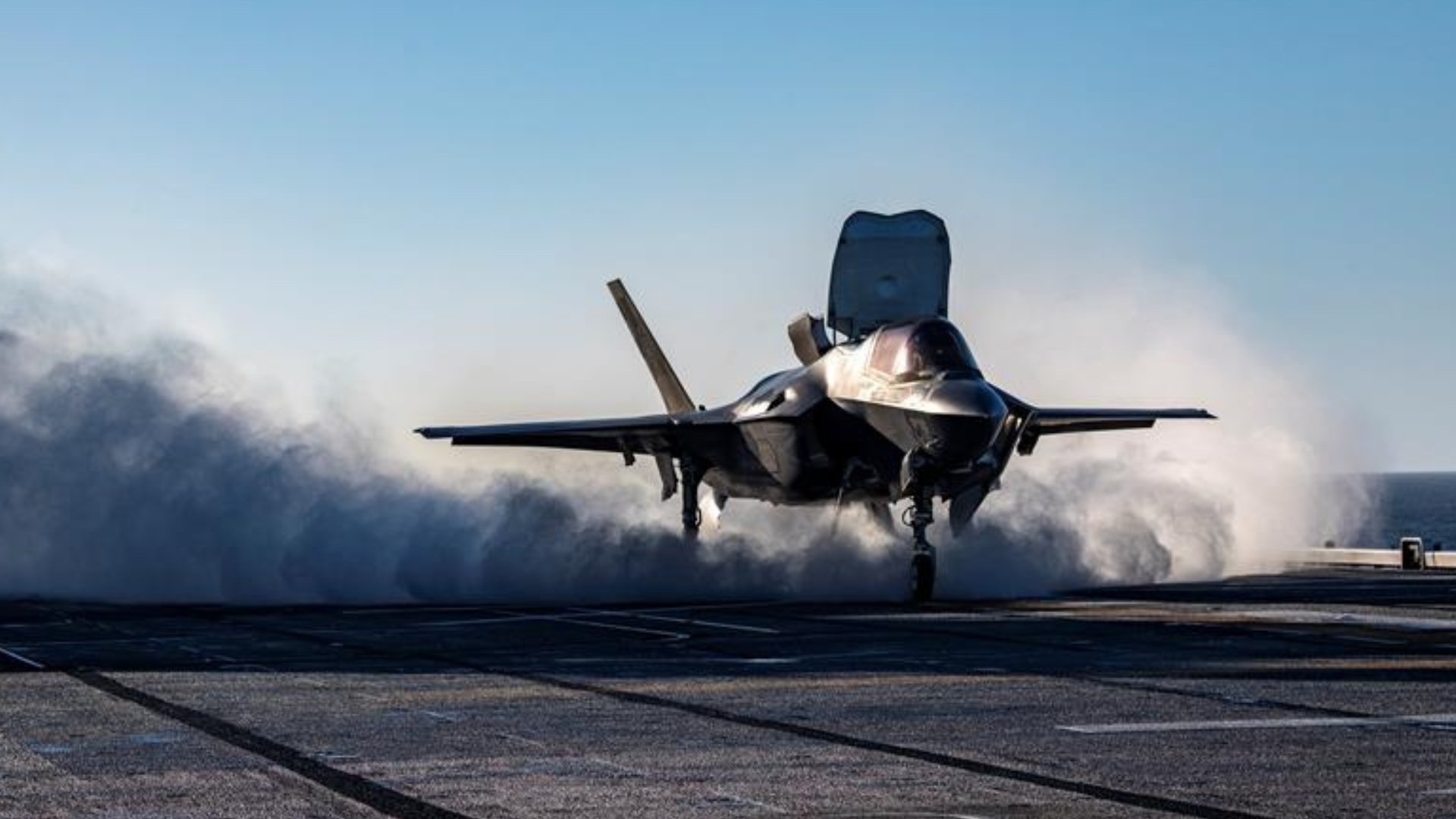 The F-35B, the short takeoff and vertical landing (STOVL) variant of the world’s most advanced fighter aircraft. | IMAGE: LOCKHEED MARTIN
And the next chapter is already taking shape: Singapore is building towards a future fighter fleet comprising F-35As, F-35Bs and F-15SGs, with the first four F-35B short takeoff and vertical landing (STOVL) fighter jets expected to arrive end of this year, and eight additional F-35Bs acquired for the future fleet.
Training, meanwhile, has become an international affair. In June 2026, RSAF F-15SGs and F-16s took part in the multilateral large-scale air combat exercise, Exercise Red Flag – Alaska, alongside more than 60 foreign aircraft, with the Singapore contingent picking up three awards.
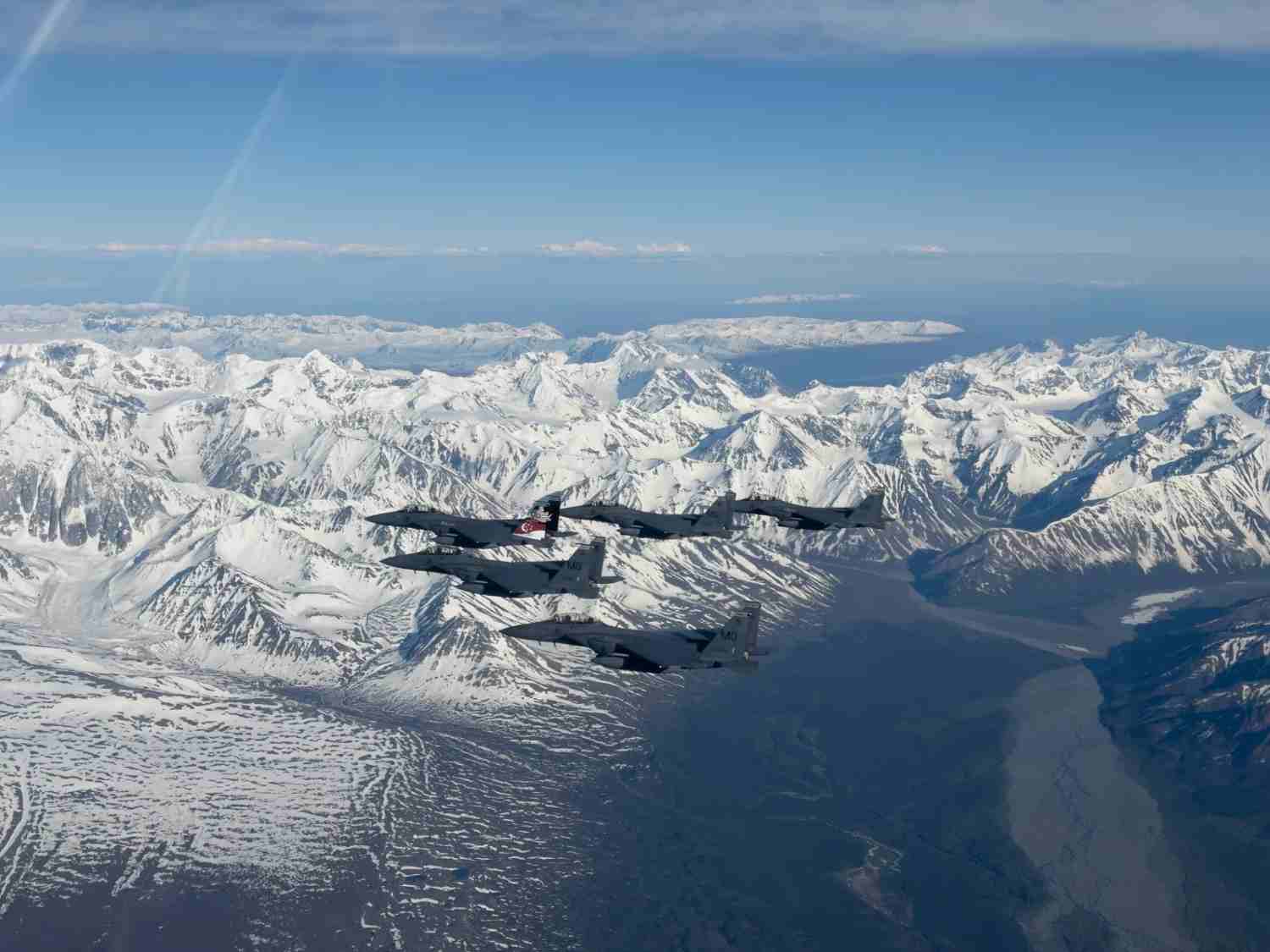 RSAF F-15SGs participating in Exercise Red Flag – Alaska, hosted by the United States Air Force. | IMAGE: MINDEF.GOV.SG
After close to six decades, perhaps the most interesting thing is that the basic idea hasn’t really changed – aircraft don’t fly themselves.
Behind every fighter jet, helicopter, transport aircraft or MRTT are pilots, engineers, ground crew, controllers, planners, technicians, and, quite often, families waiting for them to come home.
As the RSAF turns 58 on 1 Sep 2026, here are some of the stories we’ve featured that show what Singapore’s air force looks like beyond NDP flypasts.
The RSAF on Wonderwall.sg
👉 Welcome Home, Fam: RSAF Aircraft Returns With 218 Singaporeans From Riyadh
In March 2026, an RSAF A330 Multi-Role Tanker Transport (MRTT) flew to Riyadh, Saudi Arabia, to bring Singaporeans and their dependants home amid the escalating conflict in the Middle East. The aircraft returned to Singapore on 11 March carrying 218 Singaporeans and their dependants, with the first passengers arriving at Changi Airport at 6.02am. It was the first time an RSAF MRTT was used for a repatriation flight.
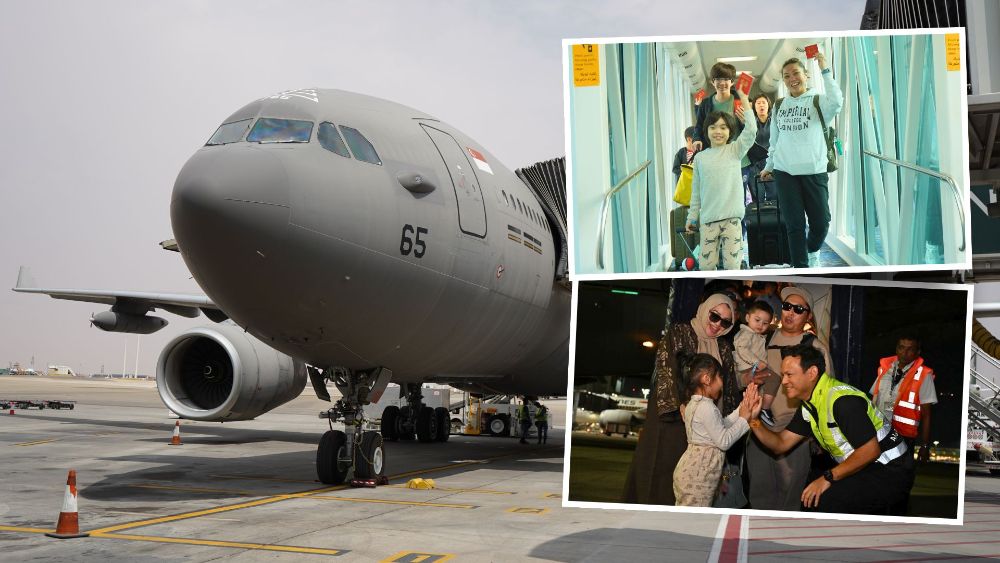 IMAGES: MINDEF
👉 Our Humanitarian Heroes In The Sky: Singapore Joins Global Gaza Airdrop Effort
In August 2025, an RSAF C-130 Hercules headed to Jordan as part of an international effort to airdrop humanitarian supplies into Gaza.
The mission carried medical supplies from the Ministry of Health and food provisions contributed by Singapore-based NGOs including Humanity Matters, Caritas Humanitarian Aid and Relief Initiatives Singapore (CHARIS), Mercy Relief and the Rahmatan Lil Alamin Foundation (RLAF).
It was Singapore’s ninth tranche of humanitarian aid for Gaza at the time, coordinated through the SAF’s Changi Regional Humanitarian Assistance and Disaster Relief Coordination Centre.
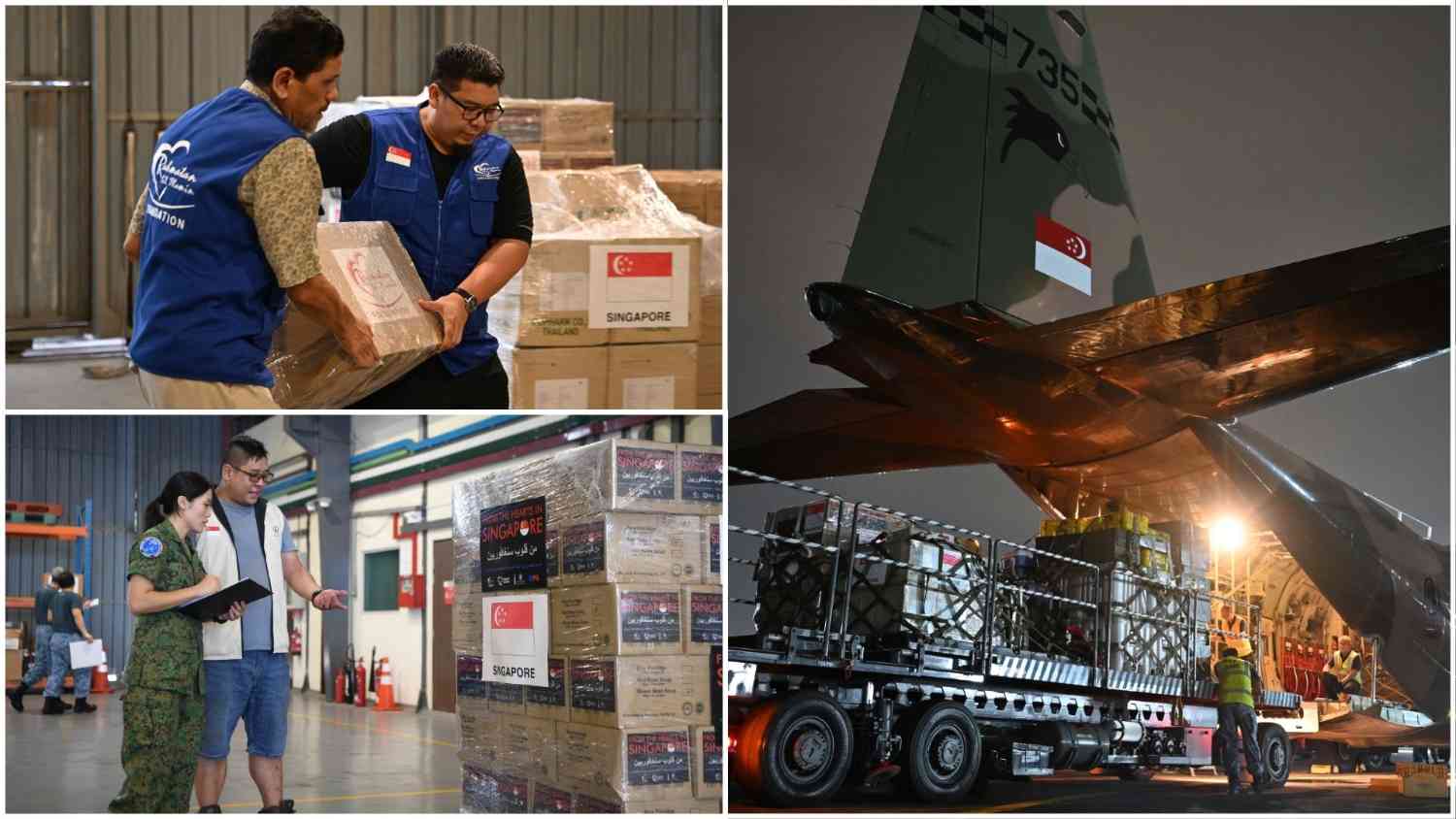 IMAGES: MINDEF
Everybody Calls This First-Time NDP Participant 'Pogba' – Even He Doesn't Use His Real Name Anymore
Meet ME2 (Military Expert 2) Premraj S/O Royston, the RSAF Flight Engineer ensuring the Chinook is mission-ready for this year’s NDP State Flag Flypast.
If you tune into the crew’s radio chatter, though, you’ll only hear one name: "Pogba". He’s been rocking the French footballer-inspired call sign for so long that his actual name is basically on a permanent hiatus.
What’s It Like Being Part Of The SAF’s Best Fighter Squadron?
Serving NS in a high-tempo frontline fighter squadron hits completely different. A massive "congratulations" to 145 Squadron (145 SQN) for clinching Best Fighter Squadron in this year's SAF Best Unit Competition!
Operations Specialist 3SG Alexander Nayan White gives us the lowdown on what it takes to keep our fighter pilots sharp, safe, and on mission.
The 20-year-old shares a core memory of being deployed on a month-long detachment to Guam to work alongside the USAF, the top-tier energy among the NSFs when they found out they won the ultimate prize, and how he stays positive on land by playing football.
The ‘Fence-In’ Ritual: How RSAF’s Top Fighter Pilots Drop Offline To Win
Going completely ghost online hits a bit different when you’re preparing for jet ops. Weapon Systems Officer (Fighter)/Instructor CPT Cheong Kah Fai gives us an exclusive look at 145 Squadron’s (145 SQN’s) strict “fence-in” pre-flight ritual, where phones are locked away, secondary work disappears, and absolute laser focus takes over.
That deep-rooted collective discipline is exactly what it takes to stay at the very top. A massive congratulations to 145 SQN for officially clinching Best Fighter Squadron in this year’s SAF Best Unit Competition.
For CPT Cheong, the true reward of the job is the daily culture of different individuals constantly backing each other up, and watching a trainee grow from Day One in the squadron to flying right alongside them as a fully qualified wingman in high-intensity exercises.
Meet The Guy Who Moves Fighter Jets While The City Sleeps
Late at night, under floodlights, 26-year-old ME1 Abishek from the Republic of Singapore Air Force helped move an F-15SG into place for Singapore Airshow 2026, which was held from 3 to 8 Feb 2026 at Changi Exhibition Centre.
They Train For Months - So You Can Understand The Aerial Manoeuvres In Seconds
Meet Republic of Singapore Air Force commentators ME3 Ganisen s/o Subramaniam, 52, and ME1 Lachme Arceno Thanesh, 33, who break down the sky in real time at Singapore Airshow 2026.
What Keeps Him Flying High: Beauty (His Wife) And The Beast (The AH-64D)
Training, coordination, and love: CPT Yew Chee Hao from the Republic of Singapore Air Force shows what it really takes to put on a jaw-dropping performance at Singapore Airshow 2026 in February at Changi Exhibition Centre.
👉 How Do RSAF Pilots Train For Real Combat? They Head Down Under
Here’s the slightly inconvenient truth about being a Singapore fighter pilot: Singapore is really sibei small. Which isn’t ideal when you want to practise large-scale air combat. That’s why the RSAF heads overseas.
Our story on Exercise Pitch Black (which Singapore has participated in since 1990) looked at how RSAF pilots train in Australia’s vast skies, where they can practise air-to-air combat, air-to-ground operations, surveillance and reconnaissance, air-to-air refuelling and other scenarios on a scale that simply isn’t possible in Singapore.
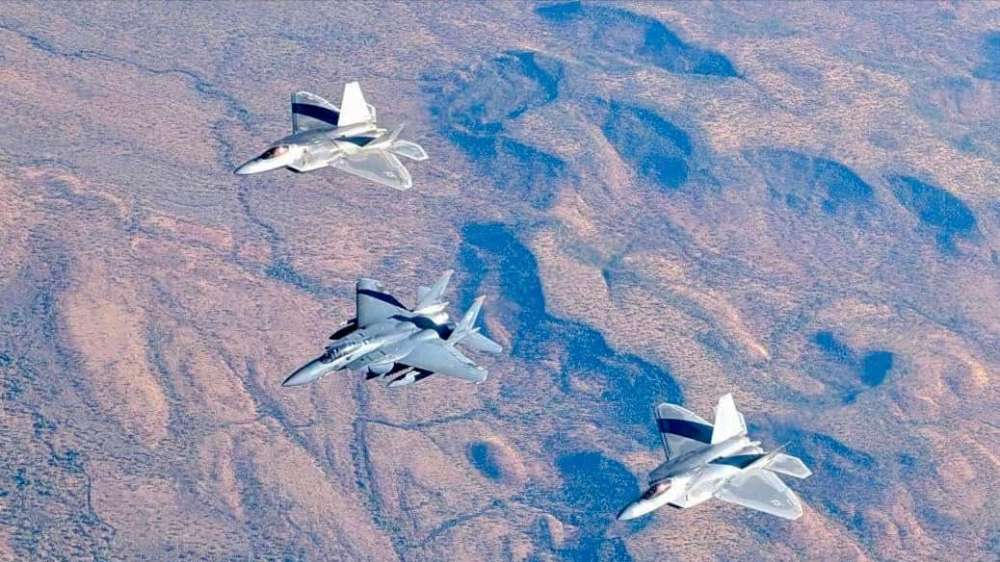 IMAGE: FACEBOOK/@THERSAF
For the latest updates on Wonderwall.sg, be sure to follow us on TikTok, Telegram, Instagram, and Facebook. If you have a story idea for us, email us at [email protected].