
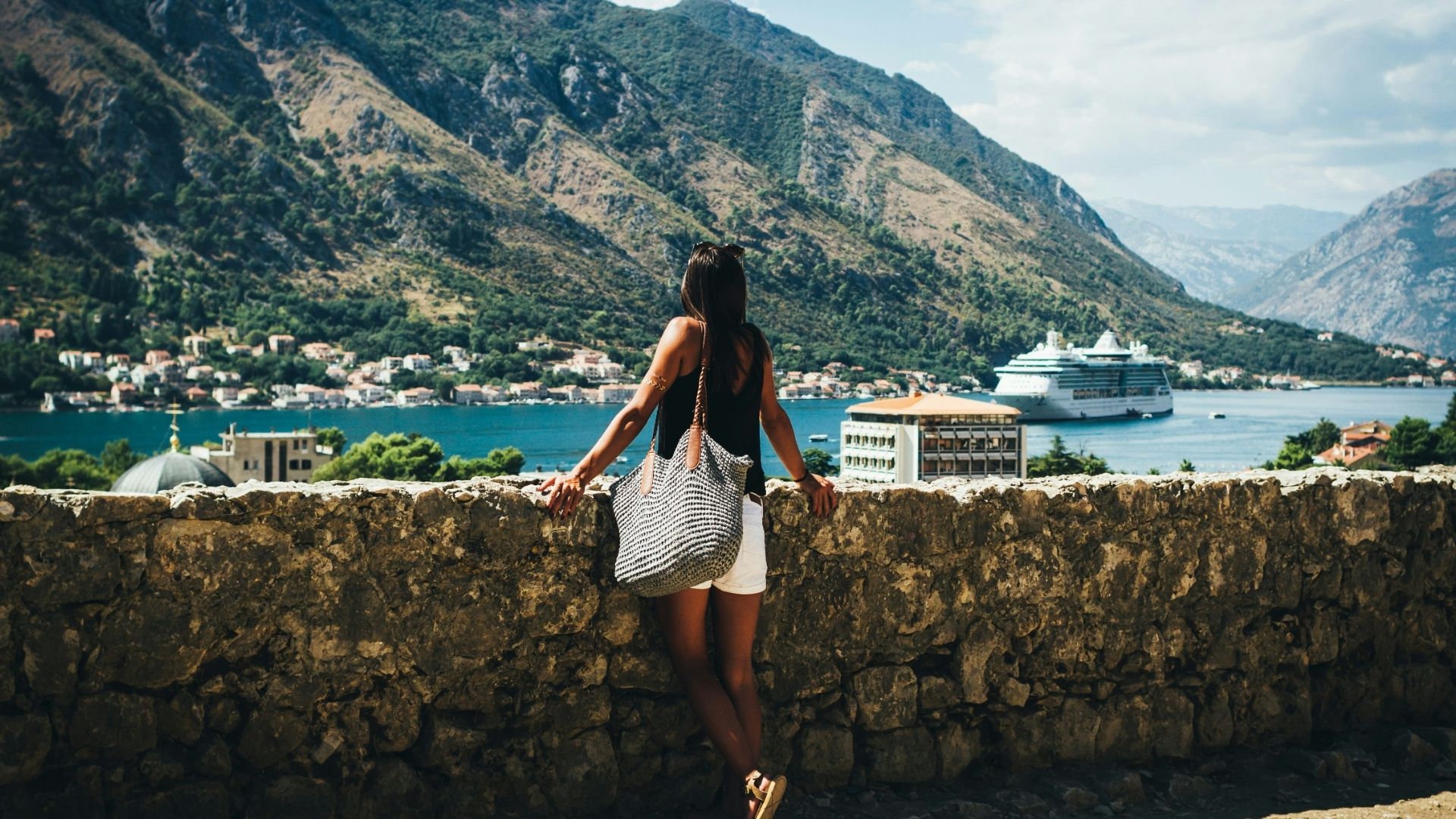
My Girlfriend Is A Solo Traveller: Why I Fully Support Her Independence
Most people celebrate couple anniversaries or their partner's birthdays with flowers, fancy dates, or thoughtful gifts.
But knowing my girlfriend, what she'd probably love most is a surprise plane ticket. One that sends her off to an unknown destination and straight into her next adventure.
She isn't just someone who enjoys holidays. She's a full-on solo traveller who actively seeks out the unfamiliar. Over the past year, she's travelled alone to places like Copenhagen, Oslo and Istanbul. Think overnight cruises across the North Sea, solo hikes up Nordic mountains and navigating foreign cities largely on her own.
The funny thing is, she wasn't always like this. In fact, she'd be the first to admit she used to be a "princess traveller", someone who preferred having everything planned, organised, and handled for her. So what changed? And more importantly, how has that shift shaped our relationship?
Having trust in your partner
When she first started travelling alone, I was initially hesitant, sceptical even. I'll be honest. The first time she told me she was going to go ahead with her Eurotrip, my initial trepidation took over. Being in different timezones, what if she's in trouble and I'm not awake to help her? What if there's an emergency and she's uncontactable? How would I track her?
There's a certain instinct you have as a partner. You want to be there, to help, to step in when things go wrong. And when that role was suddenly removed, it made me reflect on my own role in all this. Is she having more fun without me? Does she even need me anymore?
Dramatics aside, I think supporting a partner who travels alone isn't just about saying "okay, go ahead" and agreeing or even disagreeing for the sake of it. It's about having trust, not just in the relationship, but in her ability to take care of herself.
Being the Type A personality that she is, I was quietly assured that she would overprepare and ensure she had all her bases covered. Sometimes, in long-term relationships, it's normal to develop some sort of co-dependency and "clinginess". But then again, you have to remember you are both two individuals with your own goals and ambitions. Just because we love someone doesn't give us authority over the choices they make in life.
Ultimately, when someone chooses to come back to you, despite having the freedom to explore the world on their own terms, that choice means more.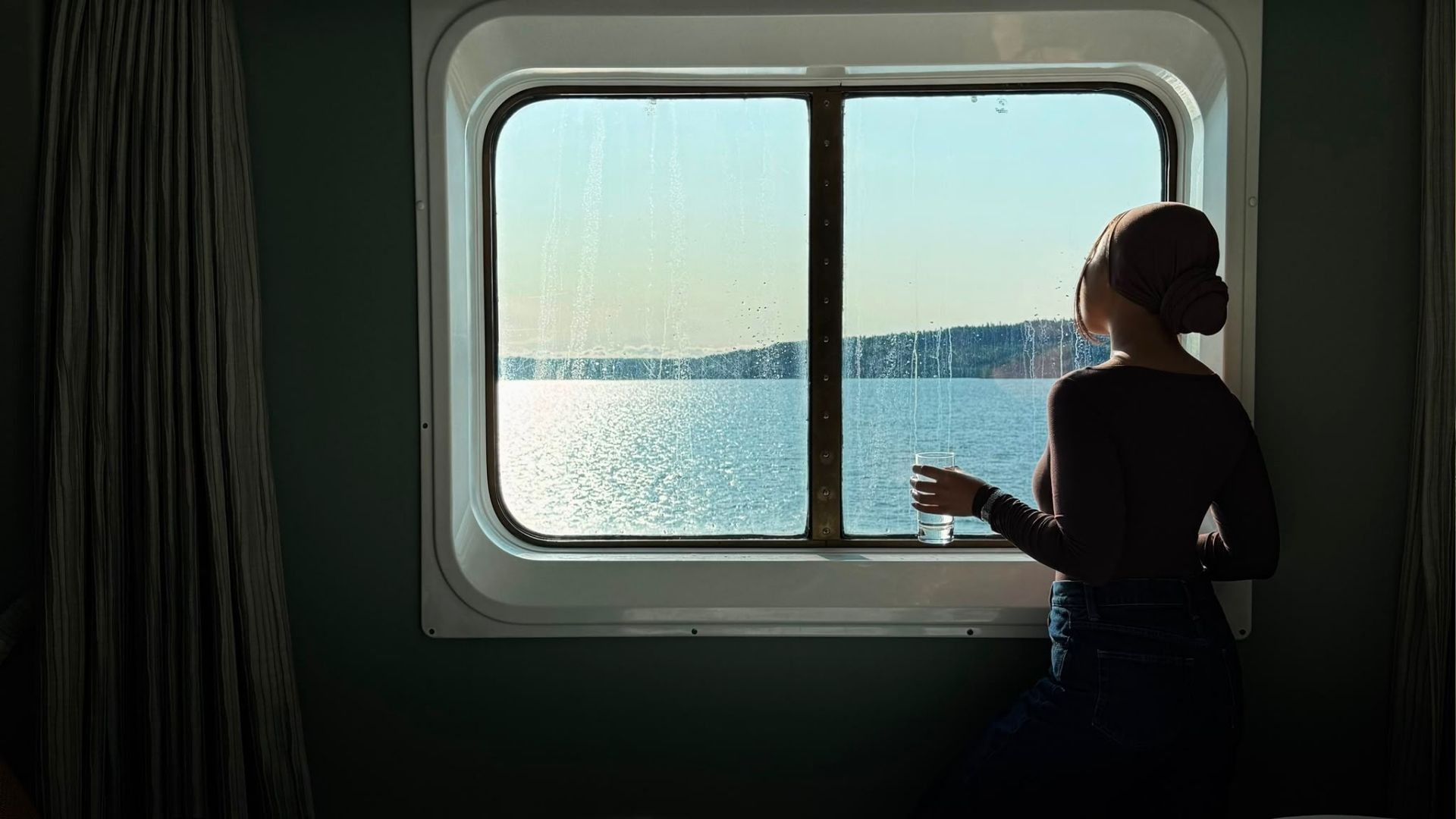
IMAGE: IFFAH HAMAD
From worry to admiration
My stance softened when she started sharing stories from her travel adventures. She told me about navigating unfamiliar cities alone, making decisions for herself, and learning to rely on her own judgement.
I felt a huge sense of admiration for her poise, street smarts and wherewithal to manage a couple of hairy situations confidently.
One experience that stuck with me was a solo hike she did in Norway. She was in a foreign terrain, traversing uphill, and reached a point where the route diverged into two distinct paths. Google Maps told her to go right, but she remembered reading online on Reddit that the correct route was actually to the left.
Naturally, she followed Google Maps.
But after walking for about 10 to 20 minutes, something started to feel off. It was completely silent, there were no other hikers around, and even though it was still daytime, the path felt eerie and isolated. She couldn't help but think if this was really the main hiking route, shouldn't there be people around?
So she turned back.
It sounds like a small decision, but it taught her a lot. Sometimes, even when you think you're "technically right", your instincts are there for a reason. And when you're travelling alone, learning to trust that instinct can make all the difference.
Listening to her retell that story made me immensely proud as a partner. She wasn't becoming more distant. She was becoming more capable. And instead of feeling uneasy about that, I started to feel respect.
What it made me realise about myself
Supporting her independence forced me to reflect on my own role as a partner. It made me rethink what support should actually look like. It's not about always being present or always being needed. Sometimes, it's about trusting that the other person can stand on their own and choosing to be there in a different way.
I especially love her take on this. For her, being in a relationship doesn't mean you have to stop doing things on your own. For her, solo travelling is more about wanting to experience something for herself. I couldn't agree more with the importance of having your own identity outside of the relationship.
If anything, I think it made us both appreciate the relationship more. When she's away, I realise what I value, and she comes back with more to share: her experiences, her stories, even just a different perspective.
Of course, open communication is important. As long as both people understand each other and there's trust, I don't think it should be a problem.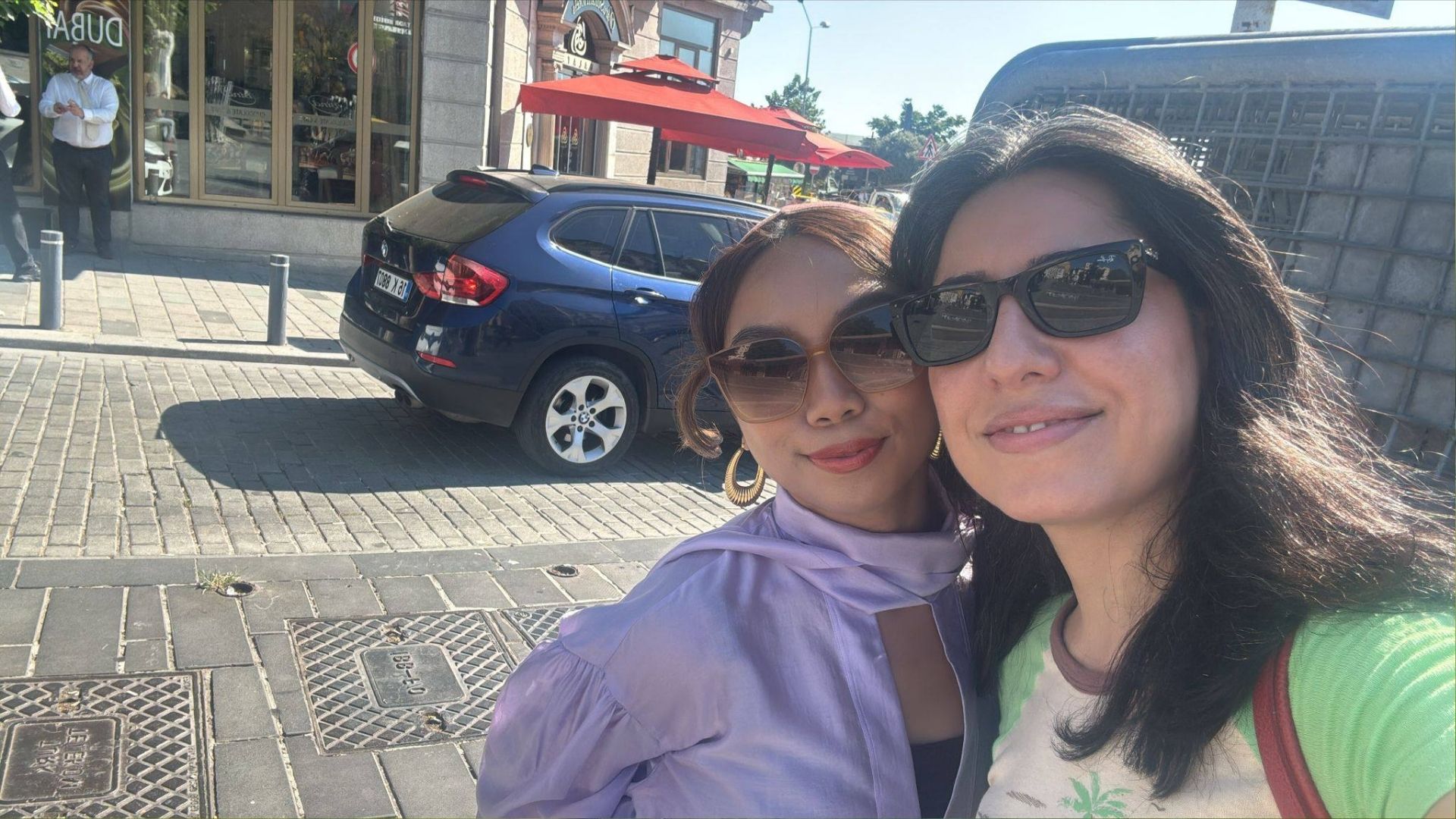
In Istanbul with a local female travel guide from the Greether app | IMAGE: IFFAH HAMAD
Her perspective, in her own words
When I asked her what drew her to solo travel, her answer was simple. She didn't want to keep waiting for schedules to align or for the "right time" to go. As life got busier, she decided she would rather travel on her own terms than not travel at all.
That decision changed her.
She told me she's become more confident and more independent, learning how to navigate unfamiliar situations without relying on anyone else. More importantly, she realised she genuinely enjoys her own company, something she hadn't fully experienced before.
When I asked my partner what she would say to other women thinking about travelling alone, she kept returning to the same mantra: You can't pour from an empty cup.
Solo travel, in her words, is a way to reconnect with yourself, to reset, to grow, and to experience the world without compromise. It's about finding and understanding the woman you're becoming.
Be a green flag partner
If there's one takeaway from being with a solo traveller partner, it's this:
Love doesn't mean holding someone back. It means giving them the space to become more of who they are. Even if that journey takes them far away across continents, cultures, and time zones.
I believe if the foundation of your relationship is strong, they'll always find their way back. I used to think supporting your partner meant being present for everything. Every trip, every experience, every moment.
Now I see it differently.
Sometimes, support looks like stepping back. It's trusting her judgement, respecting her choices, and being secure enough to let her grow on her own. Her independence doesn't take away from the relationship. It actually adds to it.
Because being in a relationship doesn't mean holding on tighter. Sometimes, it means letting go but just enough for both of you to grow.
For the latest updates on Wonderwall.sg, be sure to follow us on TikTok, Telegram, Instagram, and Facebook. If you have a story idea for us, email us at [email protected].