
I Have Tattoos But I'm Also A Fan Of Japanese Hot Springs - How Sia?
After getting married to my Japanophile husband, annual trips to Japan are now a common fixture in my life. Over time, I’ve learnt to really appreciate Japanese culture and the natural wonders of the country. In particular, I’ve become a huge fan of…
Onsens. Like, I really love onsens.
Why I fell in love with onsens in the first place
I don’t remember exactly what made me interested in an onsen. It probably popped up on my Instagram feed when I was searching for things to do while planning my first trip to Japan.
What drew me in wasn’t just the novelty, but the experience. Onsens are known for their healing properties - different mineral compositions that supposedly help with circulation, muscle aches, and skin conditions. Whether you fully believe in it or not, there’s something undeniably therapeutic about sitting quietly in hot water after a long day.
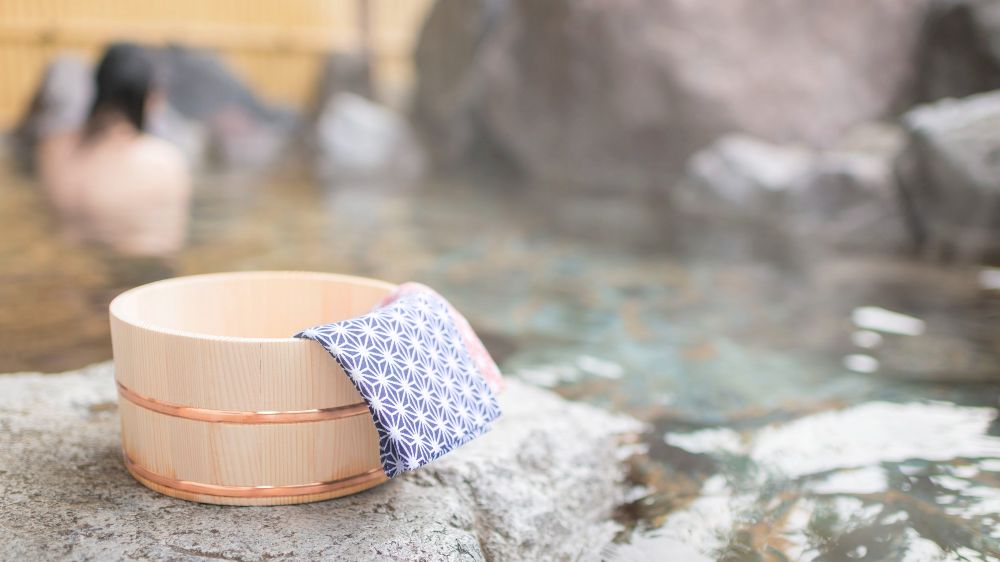
But more than that, it’s the closeness to nature that really sold me. Many onsens in Japan are rotenburo, which are open-air baths. You’re literally soaking while being surrounded by nature. As you close your eyes, birds start to chirp around you. Who knows, a deer might even pop by on one of your baths (#truestory).
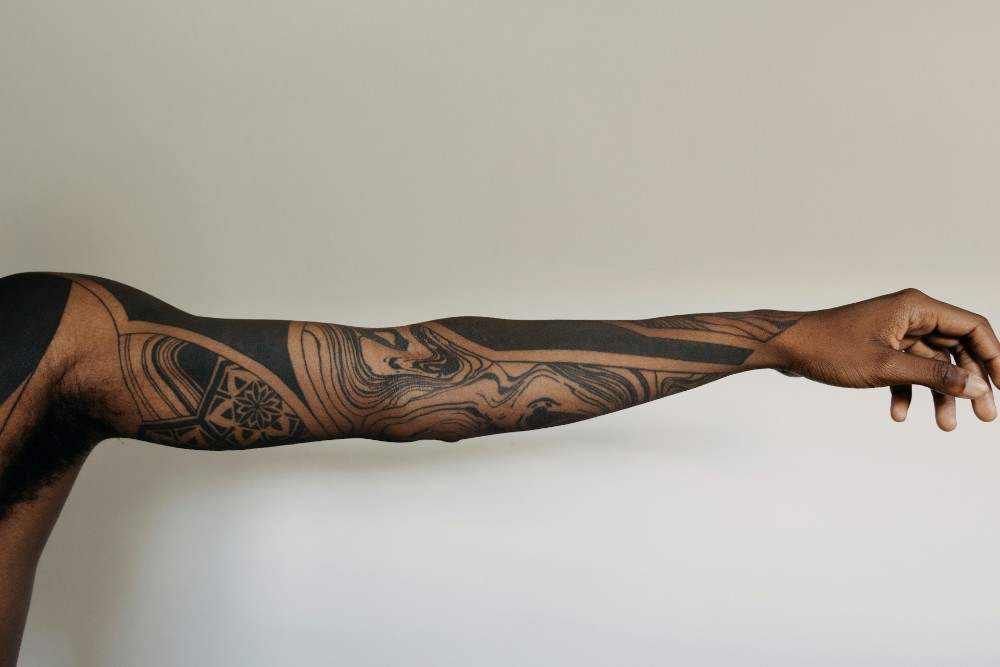 IMAGE: UNSPLASH
Then I learned… tattoos are a problem (uh-oh)
During my research, I learned that historically, tattoos in Japan have been associated with criminals and gangs (yakuza). Because of this, many public spaces such as onsens, gyms, and swimming pools have banned tattoos to make other patrons feel safe.
Though times have changed, cultural perceptions don’t shift overnight, and many onsens still keep these rules in place out of respect for tradition and their local customers.
So… what can a tattooed onsen lover do?
After digging deeper, I realised I had three possible ways to get around this:
- Cover my tattoo with a seal or a skin-tone sticker
- Go to onsens that explicitly allow tattoos
- Book a private onsen instead
Covering up sounds like the easiest option. But my tattoo is pretty big, and trying to cover it with multiple stickers seems unfeasible.
That left me with Options 2 and 3. Thankfully, those turned out to be pretty solid choices.
Tattoo-friendly onsens are becoming more common
I was pleasantly surprised that tattoo-friendly onsens are becoming more common, especially with more tourists visiting Japan over the past few years.
Many of these onsens will clearly state on their website (or booking page) that tattoos are allowed. Some may specify “small tattoos only”. I always double-check beforehand - cross-check their official website and read recent reviews on the place.
There are also certain onsen towns known to be more welcoming to tattooed visitors:
- Shibaseki Onsen (Oita Prefecture) - From Fukuoka, you need to take a 2 hour train to JR Beppu, then a bus to the onsen. I went there during my Fukuoka trip, and the area was covered in smoke from the hot springs. There were many different baths to choose from with unique themes.
- Otakinoyu (Gunma Prefecture) - Take the Joetsu Shinkansen from Tokyo/Ueno to Takasaki Station, switch to the JR Agatsuma Line to Naganohara-Kusatsuguchi Station (total trip about 3 hours), then take a 25-minute JR bus to Kusatsu Onsen terminal.
- Hottarakashi Onsen (Yamanashi Prefecture) - From Tokyo, ride 90 mins on the JR Chuo Line to Yamanashishi Station and take a 10-15 minute taxi ride up the mountain.
- Yamato-no-Yu (Chiba Prefecture) - From Narita Airport, take a 5 min train ride to JR Shimosa-Manzaki Station, then a 20 min walk.
- Dogo Onsen (Ehime Prefecture) - 20 mins from Matsuyama, Ehime. Take Tram Line 5 from JR Matsuyama Station (30 min) or Line 3 from Matsuyama City Station (15-20 min).
- Kinosaki Onsen (Hyogo Prefecture) - From Kyoto, it takes 2.5 hours via JR Limited Express Kinosaki to get there.
- Saki-no-Yu (Wakayama Prefecture) - From Shin-Osaka, take the JR Kinokuni Line to JR Shirahama Station. From there, take a 15 min Meiko Bus bound for "Yuzaki".
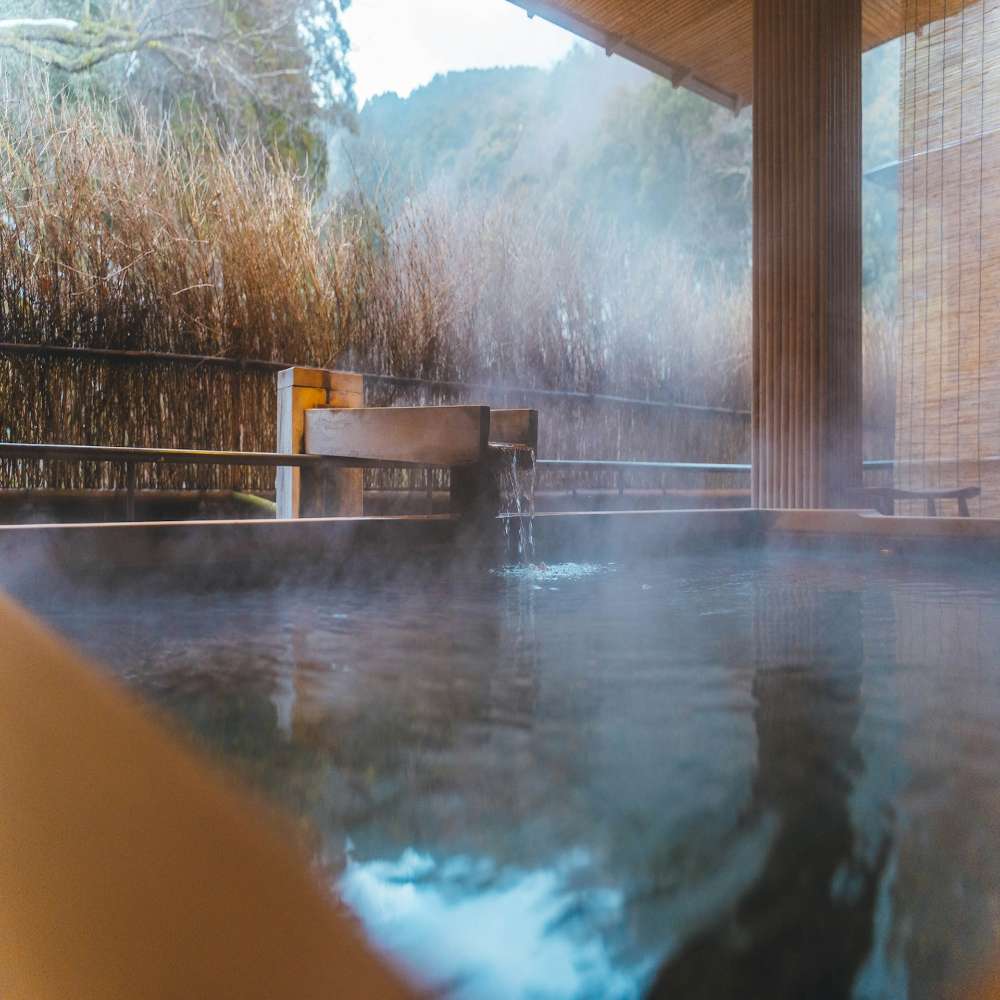
IMAGE: UNSPLASH
Or…choose private onsens instead
Most of the time though, I end up booking a private onsen. It’s expensive, but worth spending your money on.
Private onsens can come in a few forms: a private room you book for a fixed time slot, or an in-room onsen that comes with your accommodation. Either way, the privacy alone already makes the experience feel more luxurious and special.
I can fully relax, take my time, and enjoy the soak without being self-conscious.
Onsen etiquette still matters (a lot)
Whether you’re in a public or private onsen, tattoos or no tattoos, etiquette is non-negotiable.
Some basics to always remember:
- Wash and rinse thoroughly before entering the bath
- Do not bring towels into the water
- Tie up long hair so it doesn’t touch the water
- Keep conversations soft (or enjoy the silence)
I think a lot of it comes down to respect. If you observe the rules and treat the space the way it’s meant to be treated, most people won’t bat an eyelid. Case in point, when I visited Shibaseki Onsen during my Fukuoka trip and used a public onsen, I did not get any judgmental stares from locals despite having tattoos on my body. I was very careful with my onsen etiquette.
For me, onsens are too special to give up. The warmth, the connection to nature - all of it makes the effort worth it. If you’re tattooed and dreaming of soaking in a Japanese hot spring: don’t give up. Just plan smart and you’ll be just fine.
And trust me — that first soak? Shiok ah.
For the latest updates on Wonderwall.sg, be sure to follow us on TikTok, Telegram, Instagram, and Facebook. If you have a story idea for us, email us at [email protected].