



I Almost Got Scammed In Europe: Safety Tips For The Singaporean Traveller
You've heard the horror stories about travelling in Europe. Pickpockets slithering through crowded city squares in Rome. Taxi drivers that don’t turn on their meters in Greece. Scammers that distract you while their accomplice walks away with your bag in Paris.
And you always think: Surely that won't happen to me.
I was guilty of this too. My partner and I had always prided ourselves on being careful, meticulous planners who would do our research and due diligence before our holidays. Getting scammed felt like a far-fetched concept, something that would entrap only the lax and negligent.
Well, this was until a near-miss in Istanbul this past year that humbled me good. So here I am preaching to all you fellow Singaporean travellers: tourist scams aren't always obvious, nor do they necessarily target the vulnerable, visibly careless, or the rich. More often than not, they prey on ordinary travellers who are used to living their lives without being taken advantage of.
How an airport transfer in Istanbul turned into a scam
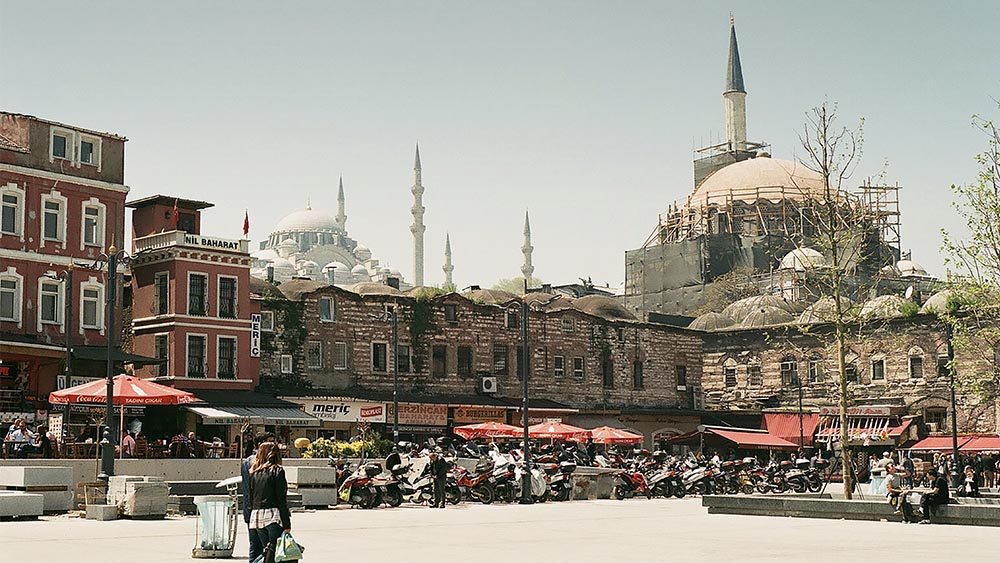
So I was staying in Beyoğlu, Istanbul, in a lovely Airbnb apartment with a rooftop and a beautiful view over the city. One of the services offered by our host was an airport transfer, which seemed convenient enough.
The arrangement was straightforward: a driver would pick us up from the airport and an intermediary would collect the payment from us in cash. We could pay in euros or Turkish lira.
Nothing particularly unusual there.
Except the intermediary suddenly messaged me on WhatsApp upon our arrival to say that he couldn't meet us when we arrived at the apartment. Instead, he said he would come the next day.
Again, I didn't think too much of it.
We had plans to spend most of the following day exploring Istanbul anyway, so I messaged him to ask if he could come in the evening when we returned.
That's when he started getting a little more urgent. He texted that the payment needed to be settled as soon as possible because he had to pay the driver.
At the time, I could rationalise it. The airport transfer was a legitimate service arranged through our accommodation. The guy seemed fairly professional. And we had already used the service to get from the airport to our Airbnb.
So I tried to find a compromise. I told him I could leave the money inside the apartment. It was around €300, or nearly $400 SGD.
That's not exactly pocket change. Regardless, I left the cash underneath a glass bottle on the kitchen island and went out sightseeing for the day. Looking back, that was my first big mistake.
I had essentially left a sizeable amount of cash sitting in an apartment and assumed everything would be fine because the arrangement felt legitimate. I was also guilty of giving permission to let a total stranger enter our lodging while we were outside, with all our belongings exposed, and could easily be stolen.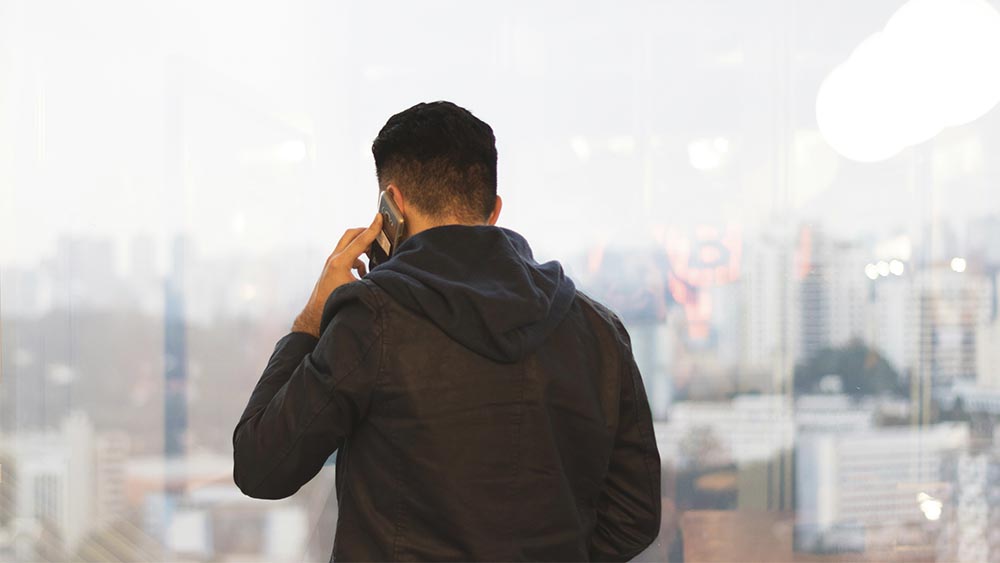
IMAGE: UNSPLASH
The red flags I almost missed
As we were blissfully going about our itinerary, the contact suddenly messaged me, saying that he was at our Airbnb and the money was nowhere to be found.
Cue my Spidey senses tingling. With a knot in my stomach, I told him curtly, that that’s not true. I’ve literally placed the cash on the table, clear as day. It couldn’t have gone anywhere unless someone else had access to the key and had broken in.
Cue mistake number 2. Stupid me did not snap a photo of the cash before we left the accommodation. I assumed there wasn’t going to be an issue. Since there was no legitimate proof, it had become a case of he said, he said.
He started getting impatient and asked if I could transfer the amount immediately so he could pay his drivers. This was the same fella who said he only accepted cash in person.
The red flags popping in my head as realisation dawned on me. Is this fella lying to me and trying to scam me out of more money?
So I had cut my plans short and told my partner I wanted to head back to settle this. I was legitimately pissed off at this point, partly due to my own gullibility for not snapping the picture of the cash to cover my own backside, but also the audacity of this man who was clearly trying to take advantage of the situation.
Trust me, I was ready to throw hands at this point and even sent an angrily-worded voice note threatening to report him to the Airbnb host if he didn’t come clean on his deception. Only when I tried to call him, then he suddenly said he doesn’t speak English and was using Google translation to reply to my texts. I screenshotted the entire conversation and put it in the Airbnb app directly to the host.
Luckily he was immediately responsive and said that he would deal with his intermediary. That made me realise that his employee could be committing his own scam under the nose of his boss. Needless to say, I left a scathing review of the place.
Fortunately, this story isn't about me losing €300 and getting our apartment ransacked. But it easily could have been. That’s what being trustworthy and naive while overseas will get you.
Common tourist scams in Europe aren't always obvious
The thing about tourist scams is that they don't necessarily look like scams. Sometimes they're deliberately designed to look like ordinary human interactions.
A stranger might approach you offering to help with a ticket machine. Someone might ask you to sign a petition. A person might spill something on your clothes and immediately offer to help clean it.
You might even think you're being rude by walking away. That is exactly why it pays to understand some of the common tricks before you travel.
I realised that I had been relying on a very Singaporean form of trust: if something appears organised, professional and convenient, we tend to assume it probably is.
Travelling forces you to be a little more sceptical. The classic distraction scam, for example, involves someone creating a sudden situation around you, perhaps spilling something, dropping something or asking for help, while another person takes advantage of your distraction.
There are also fake charity petitions, where groups approach tourists asking them to sign something before pressuring them for money.
In some European cities, travellers have also reported people posing as transport officials or offering unsolicited assistance at ticket machines.
Singapore's Ministry of Foreign Affairs (MFA) specifically warns travellers about petty crime such as pickpocketing, snatch theft, tampered taxi meters, staged vehicle accidents, overcharging and fake tickets or bookings.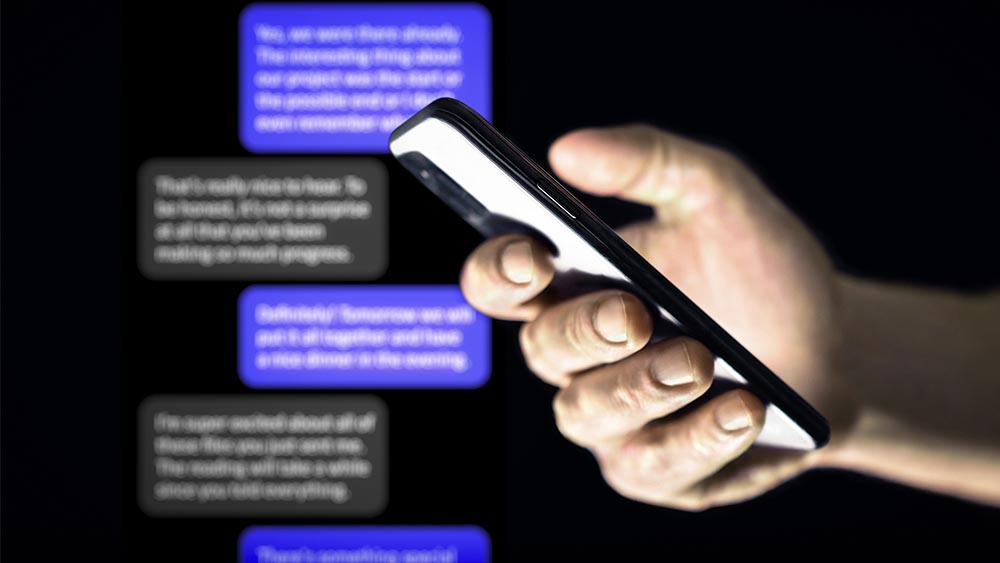
IMAGE: ADOBE STOCK
How to spot a travel scam: be suspicious of urgency
This is probably the biggest lesson I took away from Istanbul.
If someone is telling you that you must pay immediately, make a decision immediately or follow them somewhere immediately, slow down. Urgency is one of the easiest ways to stop someone from thinking properly.
Ask yourself: Why is this suddenly so urgent? Can I verify this through the hotel, airline, attraction or official website? Can I pay through an official channel instead?
If something doesn't feel right, you're allowed to walk away. You don't have to be polite. You also don't have to worry about looking like a paranoid Singaporean tourist.
I'd rather look slightly kiasu for 30 seconds than spend the rest of my holiday explaining to my bank why €300 just disappeared.
How to avoid tourist scams when making payments
My near-miss scam experience was basically a lesson in letting convenience override common sense. The airport transfer was convenient. The WhatsApp communication was convenient. Leaving the cash in the apartment was convenient.
And individually, none of those things seemed particularly alarming. Put them together and suddenly I had created a situation where a lot could have gone wrong.
That's why I now try to apply a simple rule when travelling: if something involves a significant amount of money, personal information or important documents, I verify it properly.
Don't just trust a WhatsApp message because it looks professional. Don't assume someone is legitimate because they know your booking details. And don't hand over cash simply because someone says they need it urgently. If possible, use established payment channels and keep records of transactions.
The same goes for taxis and transport. Use official or reputable services where possible and check fares beforehand.
What should Singaporeans do if they get scammed overseas?
If your belongings are stolen or you've been cheated, report it to the local police and keep the police report or reference details. MFA advises Singaporeans who are victims of crime overseas to report the incident to local police immediately.
If your cards are stolen or compromised, contact your bank as soon as possible to block the cards and protect your accounts. And if your passport disappears, don't panic.
Find the nearest Singapore Embassy, High Commission or Consulate. Singapore's MFA maintains an online directory of overseas missions, and its missions can provide consular assistance and, where appropriate, emergency travel documents.
If you really want to add another layer of security, it is also worth registering your trip with MFA before you leave Singapore so that you can receive relevant updates and make it easier for the authorities to contact you during an emergency.
IMAGE: UNSPLASH
How to travel through Europe without being paranoid
The point of all this isn't to make you scared of travelling. Quite the opposite.
I still love travelling. Istanbul remains one of the most fascinating cities I've visited, and the fact that I nearly made a questionable decision there hasn't put me off exploring the world.
If anything, it has made me a slightly smarter traveller. The biggest lesson I've taken away is that being street-smart overseas isn't about being suspicious of everyone.
It's about being aware. Pay attention when you're in crowded tourist areas. Keep your valuables secure. Don't allow strangers to rush you into decisions. Verify anything involving money. And if something feels off, trust that instinct.
We Singaporeans are fortunate to grow up in a place where safety is often the default. But when you travel, safety isn't always the default. I would say the best travel hack of all is simply remembering that you're no longer at home.
Enjoy the holiday. Take the photos. Eat the food. Get lost occasionally. Just don't leave money under a glass bottle and let a random stranger enter your Airbnb like I did.
For the latest updates on Wonderwall.sg, be sure to follow us on TikTok, Telegram, Instagram, and Facebook. If you have a story idea for us, email us at [email protected].